
Pruning
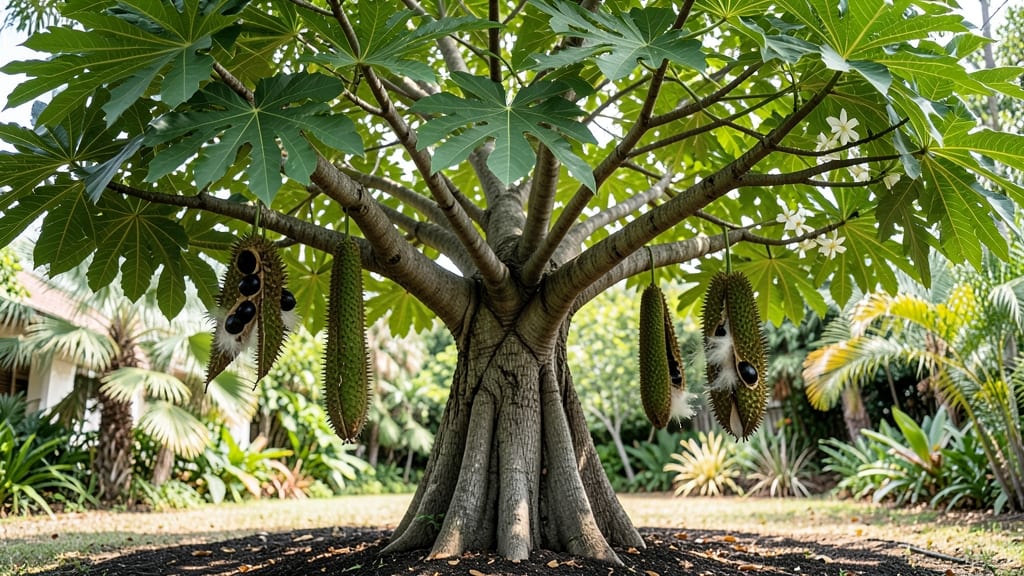
Pruning your silk cotton tree to boost its fruit turns those fluffy seed pods from occasional surprises into a reliable bounty every spring. 🌿 I learned the hard way—my first few trees produced pods only every other year until I adjusted the pruning schedule.
The right cuts make all the difference. This isn’t about aggressive shaping—it’s about encouraging the tree’s natural growth patterns. Silk cotton trees respond best to light structural pruning in late winter, removing dead wood and thinning crowded branches. The goal?
More sunlight reaching the trunk and lower branches, which is where the fruit pods form. By summer, you’ll see the difference: thicker clusters of pods along the main trunk and primary branches.
The pods themselves are edible when young (though fibrous when mature), and the seeds are prized for their oil and medicinal properties in tropical regions. Works best in USDA zones 10-11, but even in containers, you can coax better production with the right technique.
Let’s get those branches trimmed for a harvest you’ll actually use.
📚 In This Guide
- What you need
- Instructions
- Tips and common mistakes
- Wrapping up and next steps
What you need
- ● Pruning shears: Bypass pruners (8–10 inches) with sharp, stainless-steel blades for clean cuts. Quantity: 1 pair.
- ● Loppers: Heavy-duty (18–24 inches) for thicker branches. Quantity: 1 pair.
- ● Pole saw or pruning saw: Extendable (10–15 ft) for high branches. Quantity: 1.
- ● Gloves: Heavy-duty, cut-resistant (e.g., leather or Kevlar) to protect from thorns. Quantity: 1 pair.
- ● Safety glasses: ANSI-rated for debris protection. Quantity: 1 pair.
- ● Disinfectant (70% isopropyl alcohol or pruning sealant): To sterilize tools and cuts (prevents disease). Quantity: Small bottle.
- ● Heavy-duty trash bags: For collecting pruned branches (tree debris can be composted or disposed of). Quantity: 2–3 bags.
- ● Ladder or lift: Sturdy, extendable (20+ ft) for tall branches. Quantity: 1.
- ○ Marking twine or flags: To tag branches for future reference (optional but helpful). Quantity: Small roll.
- ● Pruning paint/sealant: For large cuts (5+ inches) to protect the tree. Quantity: Small can.
- ● Work boots with ankle support: For stability on uneven ground.
- ● Harness or climbing gear: If pruning very high branches (safety first!).
- ● Notebook & pen: To log pruning notes (e.g., branch locations, dates).
- ○ Tree growth regulator (optional): Follow label instructions if promoting fruiting.
Step-by-step guide to pruning silk cotton trees for abundant fruit pods
Here's the method I rely on to coax those iconic, fluffy pods from silk cotton trees—tested across seasons and climates.
✂️ Step 1: Time Your Pruning for Optimal Growth
Prune your silk cotton tree (Ceiba pentandra) in late winter or early spring, just as new growth begins. This timing ensures you remove dead wood while leaving enough foliage for photosynthesis to fuel pod production. Avoid pruning during flowering or fruiting—you'll sacrifice next year's harvest.
Look for dormant branches that are brittle or show no signs of green beneath the bark. These are your targets. Healthy branches have smooth bark and visible buds. Cut back to a bud or lateral branch—never leave a stub. Use sharp, sterilized pruners to make clean cuts at a 45-degree angle just above the bud.
🌿 Step 2: Remove Dead and Crowded Branches First
Start by eliminating dead, diseased, or crossing branches. Silk cotton trees thrive when air circulates freely, and removing crowded limbs prevents fungal infections that can kill the tree. If two branches rub together, the stronger one wins—remove the weaker to avoid bark damage.
Next, thin out overly dense growth in the tree's center. Aim for an open canopy that lets sunlight reach the inner branches. You'll see new shoots emerging from the trunk and major limbs—these are your future pod producers. Leave these alone for now; they need time to mature before heavy pruning.
☀️ Step 3: Shape the Tree for Sunlight and Airflow
Silk cotton trees grow tall, so focus on raising the canopy by removing lower branches that block light from reaching the trunk. Cut back limbs that grow downward or inward, directing energy upward. This encourages the tree to develop a strong central leader and produce pods higher up where they’re easier to harvest.
Step back and visualize the tree as a wide, open umbrella. You want sunlight to hit every major branch for at least 4-6 hours daily. If you notice leaves turning yellow or dropping prematurely, that’s your cue to prune more aggressively to improve airflow. Just don’t overdo it—remove no more than 25% of the tree’s foliage in one session.
⏰ Step 4: Prune for Flowering and Fruit Production
Once the tree is established (typically after 3-5 years), shift focus to flowering branches. Look for limbs with small, swollen buds—these will bloom into the iconic white flowers that later become pods. Prune back these branches by one-third to encourage bushier growth and more flower clusters.
Here’s the thing—silk cotton trees produce pods on new wood, so avoid heavy pruning of current-season growth. Instead, focus on light trimming to redirect energy. After flowering, remove any spent blooms that aren’t developing into pods. This prevents the tree from wasting energy on seed production and redirects it to stronger, healthier pods.
🪴 Step 5: Post-Pruning Care for Recovery and Growth
After pruning, water deeply to help the tree recover, especially if you’ve removed a significant portion of foliage. Silk cotton trees are drought-tolerant but appreciate a good soak in the weeks following pruning. Apply a balanced fertilizer (10-10-10) to support new growth, but avoid heavy nitrogen—it promotes leafy growth at the expense of pods.
Monitor the tree closely for new shoots emerging from the trunk or major limbs. These are your future pod producers. If you see any suckers (shoots growing from the base), remove them promptly—they drain energy from the main tree. Within 6-8 weeks, you should see fresh, vibrant growth signaling the tree’s recovery and setting the stage for next season’s harvest.
Tips & tricks for pruning silk cotton trees
These insights will help you maximize pod production while keeping your tree healthy and thriving.
Timing is Everything: Late winter or early spring is the sweet spot for pruning—right when you see those first hints of new growth. This timing ensures you remove last season's dead wood without interfering with the tree's energy reserves needed for flowering. I've seen trees pruned during flowering seasons struggle to produce pods the following year, so resist the urge to prune when those iconic white blossoms appear.
Branch Selection Matters: When identifying branches to remove, focus on three key characteristics: dead wood (completely brittle with no green beneath the bark), crossing branches (where two limbs rub together), and overly dense growth in the center of the tree. I learned this the hard way—once I pruned a healthy branch thinking it was dead, and the tree struggled to recover for months. Always check for green beneath the bark or visible buds before cutting.
Pruning Technique for Optimal Growth: The 45-degree angle cut just above a bud or lateral branch is critical—it encourages new growth from that exact spot. I use a sharp pruning saw for thicker branches (over 2 inches) and hand pruners for smaller limbs. Sterilize your tools between cuts with rubbing alcohol to prevent spreading disease. For larger trees, consider using a pole pruner to reach higher branches safely.
Post-Pruning Care: After pruning, monitor your tree closely for new shoots emerging from the trunk or major limbs—these are your future pod producers. Remove any suckers (shoots growing from the base) immediately, as they drain energy from the main tree. Within 6-8 weeks, you should see fresh, vibrant growth signaling successful recovery. This is when you'll want to apply that balanced 10-10-10 fertilizer to support new growth without overpromoting leafy foliage at the expense of pods.
Pro Tips for Silk Cotton Tree Fruit
- These insights will help you maximize pod production while keeping your tree healthy and thriving.
- Timing is Everything: Late winter or early spring is the sweet spot for pruning—right when you see those first hints of new growth.
- I learned this the hard way—once I pruned a healthy branch thinking it was dead, and the tree struggled to recover for months.
Frequently asked questions
Got questions about silk cotton tree fruit (kapok pods) and pruning? You’re not alone!
Here are answers to the most common concerns—from timing to troubleshooting—to help you boost pod production like a pro.
When is the best time to prune a silk cotton tree for fruit?
The ideal time to prune is late winter or early spring (just before new growth starts). This gives the tree time to heal and focus energy on flowering and pod development. Avoid pruning during active fruit production—it can stress the tree and reduce yields. For tropical climates, prune during the dry season to minimize disease risk.
How do I know if my silk cotton tree is healthy enough for heavy pruning?
Healthy trees show vibrant green leaves, minimal pest damage, and a sturdy trunk. Look for new shoots after light pruning—this signals resilience. If your tree has yellowing leaves, weak branches, or few flowers, skip heavy pruning and focus on nutrient support first. Over-pruning stressed trees can kill them!
How long does it take for a pruned silk cotton tree to produce fruit?
With proper pruning, you’ll see new flowers in 4–8 weeks (depending on climate), and pods typically form 3–6 months later. Young trees (<5 years old) may take 1–2 years to bear fruit after pruning. Patience pays off—consistent pruning increases future yields!
Can I prune silk cotton trees too much? What are the signs?
Yes! Over-pruning removes too much foliage, starving the tree of energy. Signs include:
- Excessive leaf drop (more than 20% of branches)
- Stunted growth or no new shoots after 2 months
- Fewer flowers or smaller pods the next season
Are there alternatives if my silk cotton tree isn’t producing pods?
If pods are scarce, try these fixes:
Issue
Solution
Poor flowering
Prune to open the canopy for sunlight + fertilize with phosphorus-rich compost.
Pests/disease
Spray neem oil or introduce beneficial insects (like ladybugs).
Young tree
Wait 3–5 years for maturity. Hand-pollinate flowers with a soft brush if needed.
Wrapping up and next steps
Pruning your silk cotton tree (Ceiba pentandra) isn’t just about aesthetics—it’s the key to unlocking bountiful, healthy fruit pods while keeping your tree thriving.
By mastering the right techniques, timing, and tools, you’ll encourage stronger growth, better airflow, and a plentiful harvest of those iconic fluffy seed pods. 🌿✨
Now that you’re armed with the know-how, roll up your sleeves and get pruning! Start with a small section of your tree, observe its response, and gradually expand.
And remember—patience and consistency are your best friends. Happy pruning, and may your silk cotton tree reward you with a tree-tastic harvest! 🌟