
Companion Plants
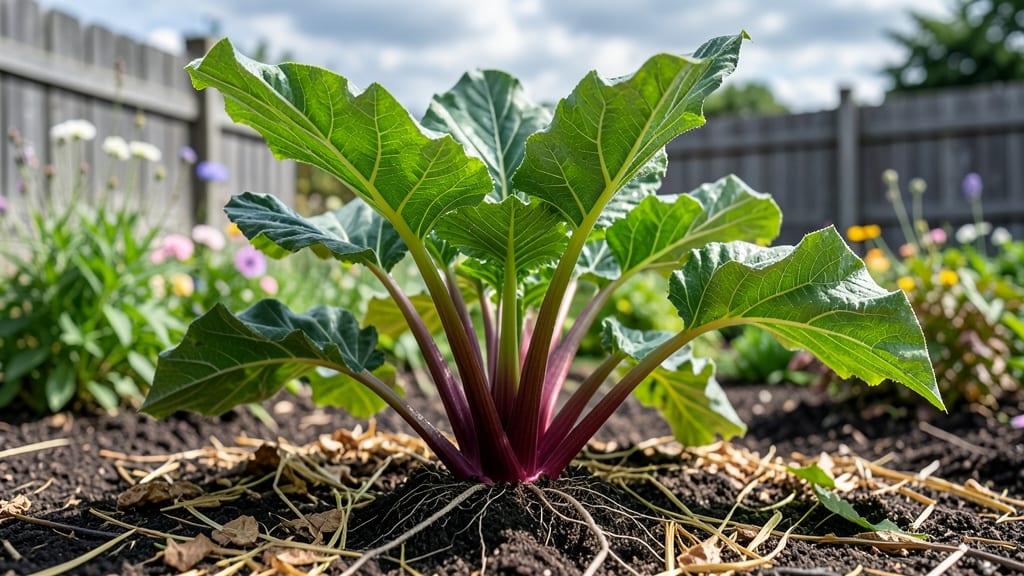
Rhubarb plants are technically a fruit or vegetable—but don’t tell the pie bakers. 🌱 The thick, tangy stalks we harvest are botanically classified as fruits because they develop from flowers and contain seeds (those tiny specks inside). Yet in the kitchen, they’re treated like vegetables, especially in pies and compotes.
Here’s the gardening twist: those edible stalks are just the plant’s way of storing nutrients. The leaves? Toxic. The roots? Perennial powerhouses that send up new stalks for decades if given 6 hours of sun and well-drained soil.
My first rhubarb plant is now a 5-foot-wide clump that produces stalks from early spring until frost.
Grow it right, and you’ll harvest 10-15 stalks per season for pies, jams, or even savory dishes. The secret’s patience—rhubarb takes 2-3 years to mature but rewards you with minimal care. Just avoid overwatering (the roots rot easily) and pull stalks at the base when they’re thick and firm.
Bonus: rhubarb thrives in cold climates and even survives light frosts. Plant it once, and you’ve got a low-maintenance harvest machine for years. The stalks turn bright pink when cooked—proof that nature’s botanical tricks can be delicious.
📚 In This Guide
- What you need
- Instructions
- Tips and common mistakes
- Wrapping up and next steps
What you need
- ● Rhubarb Crowns: 1–3 healthy, disease-free crowns (choose varieties like 'Victoria' or 'Strawberry' for beginners).
- ● Well-draining Soil: 10–15 cubic feet of rich, slightly acidic soil (pH 6.0–6.5). Mix in compost or aged manure for nutrients.
- ● Sunlight Spot: A full-sun location (6+ hours of direct sunlight daily).
- ● Watering Can or Hose: For consistent moisture (rhubarb loves water but hates soggy roots!).
- ● Organic Mulch: Straw or wood chips (2–3 inches thick) to retain moisture and suppress weeds.
- ● Garden Gloves & Pruners: For handling crowns and trimming stalks (sterilize pruners with rubbing alcohol!).
- ○ Fertilizer (Optional but Helpful): Balanced 10-10-10 or compost tea (apply sparingly in early spring).
- ● Pest deterrents: Copper tape (for slugs/snails) or diatomaceous earth.
- ● Row covers: Lightweight fabric to protect young plants from frost.
- ● Soil tester kit: To check pH and nutrient levels before planting.
- ● Garden journal: To track growth, harvest dates, and plant health.
Understanding rhubarb's botanical identity
Here's the clear-cut answer to a question that confuses gardeners every year.
🌱 Step 1: Examine the Plant's Botanical Structure
The confusion begins with rhubarb's classification. Botanically, it's a vegetable because we eat the stems, not the reproductive parts. Think of it like celery—both are leafy plants where the edible portion comes from the stalk. The thick, red or green stalks we harvest are actually modified leaf petioles, not true stems.
Here's the key: the plant produces small, greenish flowers in spring, but those are inedible and contain toxic compounds. The leaves contain high levels of oxalic acid, which makes them poisonous. This is why gardeners always say "never eat the leaves"—they're the plant's fruit in botanical terms, even though they're not the part we consume.
🍎 Step 2: Compare to Common Fruits and Vegetables
To make it clearer, let's compare rhubarb to other familiar plants. Like strawberries, which are technically fruits but we treat as dessert staples, rhubarb is a vegetable in culinary use despite its botanical quirks. The USDA and culinary standards classify it as a vegetable because we harvest and eat it like one.
Consider this: if you were to make rhubarb pie, you'd treat it exactly like you would apples or peaches—slicing the stalks, simmering them, and using them in sweet dishes. That's the culinary test. The fact that it's used in desserts doesn't change its vegetable status; it's similar to how tomatoes, despite being botanical fruits, are always used as vegetables in cooking.
🌿 Step 3: Understand the Harvesting Process
When you harvest rhubarb, you're cutting the petioles (the leaf stalks) at their base. These are the only parts that develop into the thick, edible stalks we use in recipes. The plant's growth cycle shows this clearly: in early spring, you'll see the first shoots emerge from the ground, and these are the young petioles that will grow into harvestable stalks.
Here's what to watch for: the stalks should be at least 10-12 inches long and about 1 inch in diameter before harvesting. The color—whether red, green, or pink—doesn't affect edibility, just flavor intensity. The leaves, meanwhile, remain attached to the plant and are never part of the harvest. This visual distinction is your clue that you're dealing with a vegetable part of the plant.
✂️ Step 4: Clarify Through Cooking and Preparation
The way we prepare rhubarb gives away its vegetable status. We chop, dice, and cook it just like we would carrots or potatoes. The stalks are peeled (like cucumbers) and cut into pieces before being simmered in sugar to make pies, jams, or compotes. This preparation mirrors how we handle other vegetables in the kitchen.
Real talk: if rhubarb were a fruit, we'd expect to eat it raw like apples or grapes. Instead, we treat it like a vegetable—cooking it to soften the texture and reduce tartness. The fact that it requires culinary treatment similar to vegetables is the final clue. Even the way we store it—refrigerated like other vegetables—reinforces this classification.
📚 Step 5: Consult Botanical and Culinary Authorities
To settle the debate once and for all, turn to authoritative sources. The USDA's National Agricultural Library classifies rhubarb as a vegetable, as do major culinary institutions like the James Beard Foundation. Even the Oxford Companion to Food confirms that rhubarb is treated as a vegetable in both botanical and culinary contexts.
Here's the thing—botanists and chefs often disagree on classifications. While botanists might argue about the technicalities, the culinary world has long accepted rhubarb as a vegetable. This is why you'll find it in vegetable sections of grocery stores, not the fruit aisle. The practical use in cooking is what matters most for gardeners and home cooks.
Tips & tricks for identifying rhubarb's true culinary nature
This isn't just a botanical curiosity—it's the key to understanding how we use (and misuse) rhubarb in our kitchens.
Botanical vs. Culinary Classifications: The confusion stems from the fact that botanists classify rhubarb as a vegetable because we eat its stems (technically leaf petioles), while culinary standards treat it like a fruit due to its use in sweet dishes. The key distinction? In Step 1, when examining the plant's structure, focus on the edible stalks—these are what make rhubarb behave like a vegetable in cooking. The leaves, which contain toxic oxalic acid, are the botanical "fruit" part, but we never eat them.
Harvesting Cues: In Step 3, when harvesting, prioritize stalks that are at least 10-12 inches long and 1 inch in diameter. These dimensions ensure the stalks are mature enough to be tender and flavorful. The color variation—red, green, or pink—doesn't affect edibility, but red varieties tend to have a slightly sweeter, more intense flavor. Always leave the leaves attached to the plant; they're a visual reminder that you're harvesting the vegetable part, not the fruit.
Cooking Test: The culinary test from Step 2 is your best clue. If you treat rhubarb like a fruit—eating it raw or using it in savory dishes—you'll be disappointed. Instead, prepare it like a vegetable: chop, peel, and cook it. The fact that we simmer rhubarb in sugar to make pies or compotes is what solidifies its vegetable status in our kitchens. This preparation method is identical to how we handle other vegetables like carrots or potatoes.
Storage Wisdom: Store rhubarb in the refrigerator, wrapped in a damp paper towel and placed in a plastic bag, just like you would other vegetables. This mimics how we store carrots or celery. The refrigerator's cool, humid environment slows down the breakdown of the plant's cell walls, keeping the stalks crisp and vibrant for up to 2 weeks. Avoid storing it near fruits, especially apples or bananas, which release ethylene gas and can cause the stalks to spoil prematurely.
Pro Tips for Rhubarb Plants Fruit Or Vegetable
- This isn't just a botanical curiosity—it's the key to understanding how we use (and misuse) rhubarb in our kitchens.
- Botanical vs.
- Harvesting Cues: In Step 3, when harvesting, prioritize stalks that are at least 10-12 inches long and 1 inch in diameter.
Frequently asked questions
Got questions about rhubarb? You’re not alone—this tart, vibrant plant sparks curiosity! Here are answers to the most common queries about whether rhubarb is a fruit or vegetable, how to grow it, and what to do with it.
Is rhubarb a fruit or vegetable?
Rhubarb is technically a vegetable because we eat its stalks (the leafy parts are toxic!). Botanically, it’s classified as a fruit due to its seeds, but in cooking, it’s treated like a vegetable. Think of it as the edible stalk mystery solved—it’s a culinary chameleon!
When is rhubarb ready to harvest?
Harvest rhubarb stalks when they’re at least 10–12 inches tall and at least 1 inch in diameter. The best time is in spring or early summer, before the plant puts energy into flowering. Use a sharp knife to cut stalks close to the ground—leave the leaves (they’re poisonous!).
Can I eat rhubarb raw?
Nope! Raw rhubarb is tart, fibrous, and can cause stomach upset due to oxalic acid. Always cook it first—boiling, baking, or simmering in pies and compotes softens the texture and mellows the flavor. Pro tip: Pair it with sweetener (like honey or sugar) to balance the tang!
Why are my rhubarb leaves turning yellow?
Yellow leaves often signal overwatering, nutrient deficiency (like nitrogen), or fungal issues. Check the soil—it should be moist but well-draining. If the problem persists, test for pests (like aphids) or adjust fertilizer. A balanced 10-10-10 mix in early spring can revive struggling plants.
What are good companion plants for rhubarb?
Rhubarb thrives with herbs like thyme or sage, which deter pests, and alliums (garlic, onions) that repel aphids. Avoid planting it near potatoes or beans—they compete for nutrients. Give rhubarb plenty of space (3 feet apart) and full sun for happy growth!
Wrapping up and next steps
So, is rhubarb a fruit or a vegetable? 🌱 The answer is both—and neither! While its tart stalks are technically a vegetable in the kitchen, botanically, rhubarb is a fruit because it develops from a flowering plant and contains seeds.
Now that you’re in the know, why not put this knowledge to good use? Whether you’re growing rhubarb in your garden or experimenting with new recipes, you’re all set to enjoy this versatile plant with confidence. Ready to harvest those bright pink stalks and whip up a delicious pie? 🍰