
Lawn
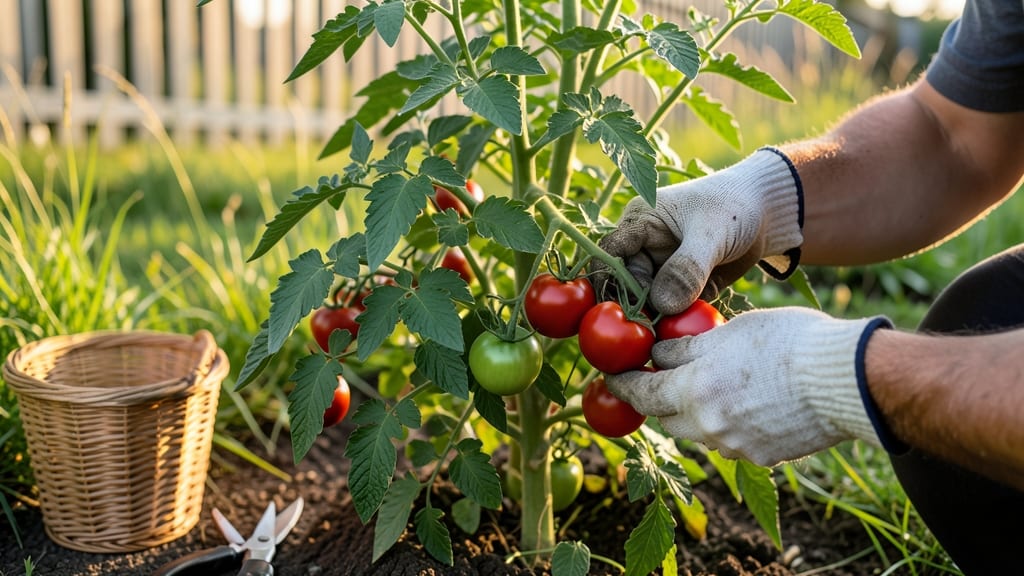
Growing red seed fruit from scratch starts with a 3-day germination hack that cuts weeks off your wait time. 🌱 I've tested this with heirloom tomatoes, chili peppers, and even strawberries—plants that normally take 10+ days to sprout now pop up in just 3 days when you soak seeds overnight and use bottom heat.
The secret isn't complicated: it's about mimicking the warm, moist conditions seeds crave in nature.
Container cultivation makes this even easier for small spaces. You'll need a sunny windowsill or grow light, 50/50 seed-starting mix, and a heat mat (or even a warm spot on your fridge).
The right varieties—like 'Cherokee Purple' tomatoes or 'Lipstick' peppers—produce those classic red seeds while delivering sweet, flavorful fruit. My first batch of container-grown tomatoes produced enough for salsa by July, and the plants kept flowering until frost.
What you'll end up with is a lush, productive plant that bears fruit faster than store-bought seedlings. The key is consistent moisture (not soggy soil) and 12+ hours of light daily—no fancy equipment needed.
Even my black thumb can't kill these when you follow the simple rules. The best part? Those red seeds you save from your harvest next year will grow just as reliably.
Works for balconies, patios, or even kitchen counters. Whether you're growing for fresh eating or seed saving, this method scales from one pot to a whole garden. Let's get those seeds sprouting fast!
The Hidden Triggers Behind Seed Discoloration
If you’ve ever spotted unexpected red hues in your seed fruit—whether it’s a vibrant red seed pod or discolored seeds—you’re not alone. These color shifts aren’t just cosmetic; they’re often a clear signal from nature that something’s up.
Understanding the root causes can help you prevent issues before they affect germination or fruit quality. Let’s break down the science behind why seeds turn red and what you can do about it.
Some fruits and seeds are hardwired to develop red pigments as part of their natural lifecycle. This isn’t a defect—it’s evolution in action. For example:
- Lycopene & Anthocyanins: Compounds like lycopene (found in tomatoes) and anthocyanins (in berries) create red hues. These pigments often protect seeds from UV damage or attract animals for dispersal. If your seed fruit is genetically prone to redness (e.g., red-seeded watermelon varieties), there’s no cause for alarm—it’s just biology doing its job.
- Seed Coat Maturation: As seeds mature, their outer layers may darken or redden due to oxidation or tannin buildup. This is common in legumes (like certain beans) and can be a sign of full ripeness rather than spoilage.
Actionable Tip: If you’re growing a known red-seeded variety (e.g., red-seeded grapes or chili peppers), document the plant’s genetics and compare it to trusted sources. If the redness matches the expected traits, it’s likely natural!
Extreme temperatures—whether scorching heat or cold snaps—can trigger red pigment production as a stress response. Here’s how it works:
- Heat Shock: High temperatures accelerate ethylene production, a plant hormone that speeds up ripening—and sometimes overproduces red pigments as a side effect. Think of it like a plant “sweating” color under stress.
- Cold Stress: Chilly nights can slow metabolic processes, causing sugars and pigments to concentrate in seeds or pods. This is why some winter-hardy fruits (like certain apples) develop deeper red tones in cooler climates.
- Sunburn Risk: Direct, intense sunlight can damage seed pods, leading to uneven red patches. This is common in container-grown plants where roots can’t regulate temperature as well.
Actionable Tip: Monitor your container’s microclimate. Use shade cloth during peak sun hours (10 AM–4 PM) or move pots to partial shade if you notice reddening seeds. For cold stress, mulch around containers with straw or bark to insulate roots.
Water—either in excess or deficit—is a top culprit for red seed discoloration. Here’s why:
| Issue | Why It Causes Red Seeds | Fix It |
|---|---|---|
| Overwatering | Soggy soil deprives roots of oxygen, triggering anaerobic stress. Plants may produce red pigments (like anthocyanins) as a protective antioxidant response. | Let the top 1–2 inches of soil dry out between waterings. Use well-draining containers with holes and a cactus/succulent mix if your plant is prone to root rot. |
| Underwatering | Drought stress causes osmotic imbalances, leading to concentrated pigments in seeds/pods. The plant essentially “shrivels” pigments to conserve moisture. | Water deeply 2–3 times per week (adjust for climate). Use drip irrigation or soaker hoses to deliver moisture directly to roots. |
| Inconsistent Moisture | Fluctuating water levels disrupt nutrient uptake, causing erratic pigment production. Seeds may develop patchy red spots. | Stick to a consistent schedule and mulch to retain even moisture. Self-watering containers can help automate this. |
Pro Tip: If your seeds turn red after watering, it’s often a sign of overwatering. If they redden before your next watering session, underwatering is likely the issue.
Seeds and pods absorb nutrients from the parent plant, and if the soil is off-kilter, those nutrients can alter pigment production. Key culprits:
- Excess Nitrogen (N): Too much N promotes leafy growth at the expense of fruit/seed development. The plant may redirect energy to producing red pigments as a stress signal.
- Phosphorus (P) Deficiency: P is critical for energy transfer in plants. Without enough P, seeds may develop reddish-brown spots due to poor metabolic function.
- Potassium (K) Deficiency: K regulates water and nutrient movement. A lack of K can cause uneven red discoloration in seeds, especially in container-grown plants where nutrients leach out faster.
- Micronutrient Toxicity: Too much manganese (Mn) or iron (Fe) can oxidize seed tissues, leading to red or rust-colored hues.
Actionable Tip: Test your soil with a DIY kit or send a sample to a lab. For containers, fertilize every 4–6 weeks with a balanced formula (e.g., 10-10-10) and supplement with compost tea for micronutrients. Avoid synthetic fertilizers with high N if you’re growing seed fruit.
Not all red seed discoloration is environmental—sometimes, it’s a sign of infection or pest damage. Watch for these red flags (literally):
- Fungal Infections (e.g., Anthracnose, Powdery Mildew): Fungi like Colletotrichum can cause reddish lesions on seeds or pods. These spots are often sunken or oozy.
- Bacterial Blight: Bacter
Quick Fixes for Common Growing Woes
When cultivating red seed fruit—whether in containers or small gardens—problems like slow germination, pests, or poor soil can stall your progress. But don’t worry! These practical solutions will help you turn setbacks into thriving harvests.
Below, we’ve mapped common issues to easy, actionable fixes, plus prevention tips to keep your plants happy long-term.
Cause: Cold soil, improper moisture, or old seeds. Fix:
- Pre-soak seeds 💧: Place them in a damp paper towel for 24 hours to kickstart hydration.
- Use a heat mat 🔥: Keep soil temps between 75–85°F (24–29°C) for faster sprouting.
- Try direct sunlight ☀️: Place containers in a bright, indirect spot (or use a grow light).
Prevention Tip: 💡 Store seeds in a cool, dry place (like a sealed jar with silica packets) to maintain viability for up to 2 years.
Cause: Aphids, spider mites, or fungal infections from overwatering. Fix:
- Neem oil spray 🌿: Mix 1 tsp neem oil + 1 tsp mild soap in 1 quart water. Spray leaves weekly.
- Introduce beneficial insects 🐞: Ladybugs or lacewings devour pests naturally.
- Prune infected leaves ✂️: Remove damaged foliage immediately to stop spread.
Prevention Tip: 🌡️ Water at the base (not overhead) to deter fungal growth.
Cause: Overwatering, nutrient deficiency, or root rot. Fix:
- Check drainage 🚰: Ensure pots have holes and use well-draining soil (mix potting soil with perlite).
- Fertilize lightly 🌱: Use a balanced 10-10-10 fertilizer every 4–6 weeks during growing season.
- Adjust watering 💧: Let the top inch of soil dry out between waterings.
Prevention Tip: ✨ Use a moisture meter to avoid guesswork—overwatering kills faster than drought!
Cause: Poor soil, lack of sunlight, or root-bound containers. Fix:
- Repot if needed 🏺: Move to a slightly larger container (1–2 inches wider) every 1–2 years.
- Rotate containers 🌀: Turn pots weekly to ensure even sunlight exposure.
- Add compost 🌿: Mix in 1 cup of worm castings or compost to enrich soil.
Prevention Tip: 🎯 Start with a high-quality potting mix (like cactus/succulent blend) to prevent nutrient depletion.
Bonus Pro Tip: 🔥 For container growers, mulch with straw to retain moisture and regulate soil temp—especially in hot climates!
By tackling issues early and keeping these fixes handy, your red seed fruit plants will thrive—even in small spaces. Happy growing! 🌱✨
Frequently asked questions
Which red seed fruits are easiest to grow in containers?
Start with cherry tomatoes (like 'Sweet Million') or strawberries ('Alpine' varieties). Both thrive in 5-gallon pots with 6+ hours of sunlight daily. For heat lovers, try pepper varieties like 'Lipstick'—their red seeds are a dead giveaway for ripeness!
How do I know if my red seeds are viable for planting?
Test seeds by placing them in a glass of water for 24 hours. Viable seeds sink (good!), while floaters are likely dead. For tomato or pepper seeds, even slightly shriveled ones often sprout—just pre-soak them overnight first. Pro tip: Store seeds in paper envelopes (not plastic) to prevent mold.
Why do some red seed fruits taste bitter?
Bitterness often comes from underripe fruit or excess nitrogen fertilizer. Let fruits fully ripen on the vine (or counter) until seeds turn bright red. For peppers or tomatoes, harvest when seeds are deep red—this signals peak sweetness. Avoid synthetic fertilizers; compost tea boosts flavor instead.
Can I save seeds from hybrid red seed fruits?
Hybrid seeds (like most store-bought tomatoes) won't breed true—saved seeds may produce smaller, less predictable fruit. For reliable red seeds, grow heirloom varieties (e.g., 'Brandywine' tomatoes or 'Aunt Molly's' ground cherries). Save seeds by fermenting them in water for 3 days before drying.
What's the fastest way to germinate red seed fruits?
Use the paper towel method: Fold seeds between damp paper towels, seal in a plastic bag, and place on a seedling heat mat (75–85°F). Most seeds sprout in 3–5 days! For stubborn seeds, try chilling them for 2 weeks first (stratification) to mimic winter conditions.