
Container Gardens
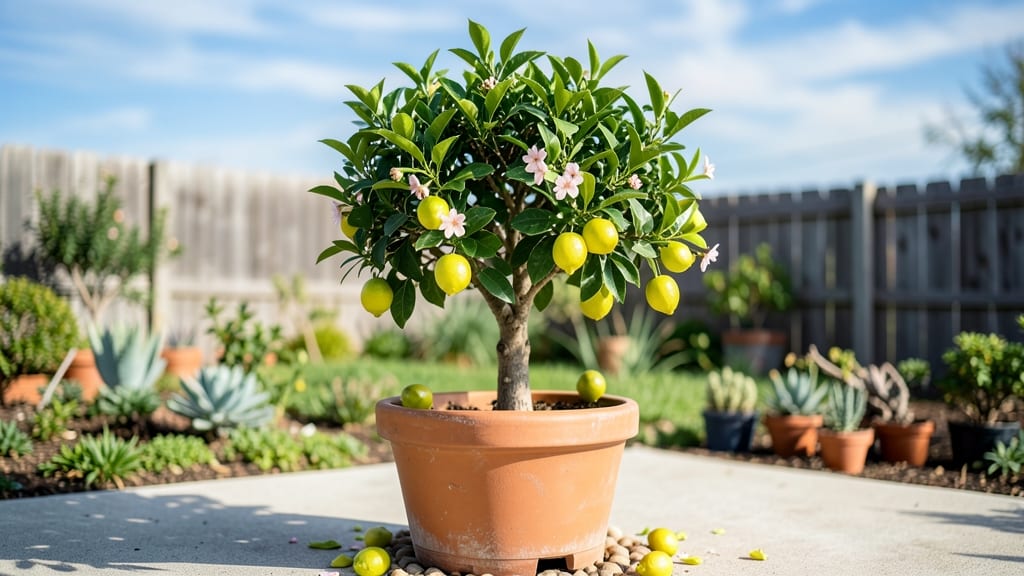
Growing a potted fruit tree on your balcony means fresh peaches by summer. 🌱 I've watched my dwarf peach tree produce fruit every year since I planted it three seasons ago—no yard required. The secret lies in choosing the right dwarf variety and matching it to your space.
You'll need a container at least 15-25 gallons for most dwarf fruit trees, with drainage holes to prevent root rot. The soil should be well-draining but moisture-retentive, and you'll want to fertilize monthly during growing season.
Sunlight needs vary by variety, but most require 6-8 hours of direct sun daily. By late spring, you'll see blossoms followed by fruit—sometimes even on first-year trees. The harvest isn't just delicious; it's a conversation starter with neighbors who think you need an acre to grow fruit.
Prune in late winter to shape the tree and remove dead wood. This works for apples, peaches, plums, and citrus—just adjust care slightly based on your climate. Here's how to pick the perfect variety for your space and get it thriving."
📚 In This Guide
- What you need
- Instructions
- Tips and common mistakes
- Wrapping up and next steps
What you need
- ● Dwarf fruit tree: Choose a variety like columnar apple, patio pear, or bush citrus (ensure it’s labeled for containers).
- ● Container: 1–3 gallon pot (minimum 12–18" deep) with drainage holes. Terracotta or fabric pots work best.
- ● Potting mix: 1 bag of well-draining, organic mix (avoid garden soil—it compacts!).
- ● Fertilizer: Slow-release granular (e.g., 10-10-10) or liquid fish emulsion for organic options.
- ● Mulch: 1–2" layer of pine bark fines or coco coir to retain moisture.
- ● Support: 1 small tree stake or cage (if your tree needs structural help).
- ● Drip irrigation: Automates watering (great for busy schedules!).
- ● Pruning shears: Sharp, clean pair for shaping and harvesting.
- ● Espoma or Mycorrhizal fungi: Boosts root health in containers.
- ● Pollination aid: Small paintbrush to hand-pollinate flowers (for self-unfruitful varieties).
- ● Grow lights: LED full-spectrum for indoor setups (12–16 hrs/day).
Step-by-Step instructions for growing a thriving potted fruit tree
Here’s how to turn your balcony into a fruit-bearing oasis—no yard required.
🌱 Step 1: Choose the Right Dwarf Variety and Pot
Start with a dwarf fruit tree—types like columnar apple, patio pear, or dwarf citrus thrive in containers. These trees stay under 6 feet tall and produce fruit in 3-5 years. Avoid semi-dwarf or standard varieties; their roots outgrow most pots.
Select a pot at least 18-24 inches wide and deep—bigger is better for root health. Ensure it has drainage holes (no exceptions). I use fabric grow bags for my patio peach—they prevent root circling and let excess water escape faster. Place a saucer underneath to catch runoff and protect your deck.
🌿 Step 2: Plant in Well-Draining Soil and Fertilize
Fill the pot with a mix of 50% high-quality potting soil and 50% perlite or coarse sand—this prevents soggy roots, which kill fruit trees faster than anything else. Avoid garden soil; it compacts in containers and suffocates roots. Press the soil lightly around the root ball to remove air pockets but don’t pack it down.
Add a slow-release fertilizer (look for one labeled for fruit trees) mixed into the top 2 inches of soil. I use a balanced 10-10-10 formula—it gives steady nutrients without burning tender roots. Water the tree deeply until water runs out the drainage holes, then let it drain completely before placing it in your growing spot.
☀️ Step 3: Position for Sunlight and Wind Protection
Fruit trees need 6-8 hours of direct sunlight daily—no compromise here. A south-facing balcony works best, but east or west exposures can work if you supplement with a grow light during winter. Move your tree outside gradually if it’s been indoors; sudden sun exposure scorches leaves overnight.
Protect from strong winds—they dry out soil and stress young trees. Place it near a wall or fence for shelter, but ensure airflow around the pot to prevent fungal diseases. In winter, bring citrus or tropical varieties indoors (like dwarf Meyer lemon) near a sunny window—they won’t tolerate frost.
💧 Step 4: Water and Feed for Optimal Growth
Water when the top 1-2 inches of soil feel dry—stick your finger in to check. Overwatering is the #1 killer of potted fruit trees; roots rot in 3-5 days if soggy. I use a drip irrigation system for my patio trees—it delivers water slowly at the base, reducing evaporation and fungal risks.
Fertilize every 4-6 weeks during growing season (spring to fall) with a fruit-tree-specific formula. In winter, cut back to once every 8 weeks—trees rest and need fewer nutrients. Prune dead or crossing branches in late winter to encourage airflow and fruit production. Never prune in summer—it stresses the tree and attracts pests.
⏰ Step 5: Monitor for Pests and Adjust Seasonally
Check leaves weekly for aphids, spider mites, or scale insects—they love potted fruit trees. Wipe off pests with a soapy water spray (1 tsp mild dish soap per gallon of water). If you see yellowing leaves, it’s often overwatering or nutrient deficiency—adjust your watering schedule or fertilize.
In late fall, reduce watering slightly and stop fertilizing. Move tender varieties indoors before temperatures drop below 40°F. Mulch the soil surface with straw or wood chips in winter to insulate roots—just 1-2 inches is enough. With patience, your tree will reward you with harvests in just a few years—no farm needed!
Tips & tricks for perfect potted fruit trees
Here's what nobody tells you about keeping your potted fruit trees thriving for years to come.
Pot Size Matters: That 18-24 inch pot recommendation isn't just a suggestion—it's non-negotiable for the first 3-5 years. I've seen people use 12-inch pots and wonder why their trees struggle. The extra space gives roots room to grow without becoming root-bound, which directly impacts fruit production. If you're tempted to downsize for aesthetics, resist—your tree's health comes first.
Sunlight Secret: The 6-8 hours of direct sunlight isn't just about quantity—it's about quality. Early morning sun is gentler than harsh afternoon rays, so position your tree to catch morning light first. If your balcony only gets 4-5 hours of direct sun, consider a dwarf variety that tolerates partial shade like a columnar apple—it'll still produce fruit, just smaller ones. Rotate the pot every few weeks so all sides get even exposure.
Watering Wisdom: That finger-in-the-soil test in Step 4 is your best friend, but here's the thing: the top 1-2 inches drying out is your minimum, not your maximum. Let the soil dry out completely between waterings—especially in winter when growth slows. I've lost count of how many potted fruit trees I've seen die from overwatering, and it's always because people assumed "more is better" with plants. Remember, soggy roots rot in just 3-5 days.
Winter Survival Strategy: When you bring tender varieties indoors before 40°F, don't just plop them by a sunny window. Set up a small fan on low to keep air circulating—this prevents fungal diseases that thrive in stagnant indoor air. Also, if your indoor space is dry (like many homes with central heating), mist the leaves occasionally to mimic outdoor humidity. I've kept my dwarf Meyer lemon producing fruit indoors for years using this exact approach.
Pro Tips for Potted Fruit Tree
- Here's what nobody tells you about keeping your potted fruit trees thriving for years to come.
- Pot Size Matters: That 18-24 inch pot recommendation isn't just a suggestion—it's non-negotiable for the first 3-5 ye...
- Sunlight Secret: The 6-8 hours of direct sunlight isn't just about quantity—it's about quality. Early morning sun is ...
Frequently asked questions
Got questions about growing potted fruit trees?
You’re not alone! Here are answers to the most common queries—from pruning tips to troubleshooting—so you can enjoy homegrown fruit without the fuss.
What’s the best time to plant a dwarf fruit tree in a pot?
Plant your potted fruit tree in early spring (after the last frost) or late summer (before fall’s chill). This gives roots time to establish before extreme temperatures. Avoid winter planting—roots struggle in cold soil. Pro tip: If buying bare-root trees, soak roots for 2–4 hours before potting!
How often should I water a potted fruit tree?
Water when the top 1–2 inches of soil feel dry (stick your finger in—it’s the easiest test!). Dwarf trees in pots dry out faster than in-ground plants. In hot weather, water daily; in cooler months, every 3–5 days may suffice. Overwatering is worse than underwatering! Ensure pots have drainage holes to prevent root rot.
Do I need to prune a dwarf fruit tree, and how?
Yes! Prune in late winter or early spring to shape the tree and encourage fruiting. Remove dead, crossing, or overcrowded branches first. For fruiting spurs (where fruit grows), trim back 1/3 of last year’s growth. Use clean, sharp shears and sterilize them with rubbing alcohol between cuts to avoid disease.
Can I keep a potted fruit tree indoors year-round?
Most dwarf fruit trees need full sun (6+ hours daily), so they’re better suited for patios or balconies. If indoors, place near a south-facing window and supplement with a grow light (12–16 hours/day). Winter indoors? Watch for leaf drop—they’re dormant, not dying! Move them outside in spring.
What pests should I watch for in potted fruit trees?
Common culprits include aphids, spider mites, and scale insects. Check leaves regularly—tiny webs or sticky residue (honeydew) are red flags. Blasts of water or neem oil (mixed with water) work for mild infestations. For severe cases, use insecticidal soap. Prevention tip: Keep trees healthy with balanced fertilizer to deter pests!
Are there low-maintenance dwarf fruit trees for beginners?
Try columnar apple trees (e.g., ‘Columnar Red Delicious’), dwarf Meyer lemon trees, or fig trees (like ‘Little Miss Figgy’). These tolerate containers well, need minimal pruning, and produce fruit reliably. Dwarf peach trees are another great pick—but they’re less cold-hardy. Start with one you love to eat!
How do I repot a potted fruit tree if it outgrows its container?
Repot every 2–3 years or when roots circle the pot. Choose a container 2–4 inches wider with fresh, well-draining soil. Timing matters: Do it in early spring before new growth starts. Gently loosen roots, trim any that spiral tightly, and water thoroughly after repotting to reduce shock.
Wrapping up and next steps
Growing a potted fruit tree is a rewarding way to enjoy fresh, homegrown produce—even in small spaces! Whether you choose a dwarf apple, patio-friendly peach, or compact citrus, these varieties make urban gardening accessible and delicious.
With the right care, your balcony or patio can become a thriving mini orchard, offering shade, beauty, and tasty treats year after year.
Ready to get started? Pick your favorite dwarf variety, gather your supplies, and plant with confidence. Soon, you’ll be harvesting fruit straight from your own container garden—what’s not to love? 🌱🍎