
Fertilization
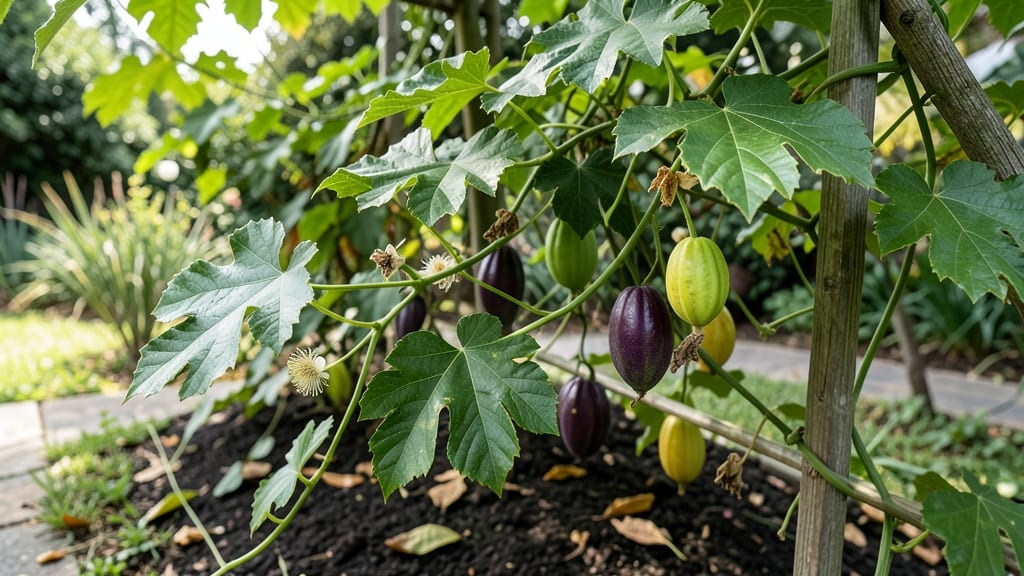
Growing passion fruit in the Philippines means turning your backyard into a tropical fruit factory—just when the rains start in June. 🌿 The heat, humidity, and year-round growing season here make it easier than you'd think, but there are local tricks to maximize your harvest.
I've learned the hard way that pruning at the right time and choosing the right variety (like Passiflora ligularis for drier areas) makes all the difference.
The secret to success starts with well-draining soil mixed with compost—Filipino clay can be tricky, so raise beds if needed. Use stakes or trellises to guide vines, which grow aggressively in our climate.
Plant during the wet season (June–September) for faster establishment, and always use disease-resistant cuttings if you want to skip the slow seed-starting process.
By mid-year, you'll be harvesting sweet, fragrant fruits that outshine anything from the market. The vines thrive with minimal care once established, and a single plant can produce enough for your family—and neighbors. Just watch for common pests like fruit flies and mealybugs, which love our warm weather.
Even typhoon-prone areas can grow passion fruit with proper support and pruning. Start small, scale up, and soon you'll have more fruit than you know what to do with. Here's how to make it happen without the usual struggles.
📚 In This Guide
- What you need
- Instructions
- Tips and common mistakes
- Wrapping up and next steps
What you need
- ● Passion fruit cuttings or seeds: 10–20 purple passion fruit (Maracujá) or yellow passion fruit (Passiflora edulis) cuttings (3–6 inches long with 2–3 nodes)
- ● OR 50–100 seeds (fresh or dried, from organic sources preferred)
- ● Potting mix or soil: 10–15 kg of well-draining, slightly acidic soil (pH 6.0–7.0)
- ○ Optional: Mix with 5 kg coco peat or 5 kg compost for nutrient boost
- ● Containers or planting area: 5–10 5-gallon pots (for seedlings) OR a 10–15 sq. meter garden bed (with trellis support)
- ● Fertilizers: 1 kg balanced NPK (10-10-10) or organic fertilizer (e.g., vermicompost)
- ● 100g calcium nitrate (for blossom end rot prevention)
- ● Trellis or support: Bamboo poles or metal trellis (6–8 ft tall) for vining varieties
- ● Pest control: Neem oil (500ml) or organic insecticidal soap (for aphids/mites)
- ● Pruning tools: Sharp pruning shears (for shaping and harvesting)
Step-by-step guide to planting passion fruit in the Philippines
Here's how to grow thriving passion fruit vines that thrive in our tropical climate.
🌱 Step 1: Choose the Right Variety and Planting Site
For the Philippines, purple passion fruit (Passiflora edulis) and yellow passion fruit (Passiflora edulis f. flavicarpa) are best suited to our warm, humid conditions. Plant in well-draining soil with a pH between 6.0 and 7.5—our volcanic soils often need a little sand or compost to improve drainage. Avoid low-lying areas where water pools after rain.
Passion fruit vines need full sun exposure (6+ hours daily)—choose a spot that gets afternoon shade only during the hottest months. If planting near a fence or trellis, ensure it’s at least 6 feet tall since vines can grow 15-20 feet long. I always plant near my kitchen so I can harvest fresh fruit daily without extra trips to the garden.
🌿 Step 2: Plant Cuttings or Young Vines
Start with healthy 6-inch cuttings from established vines or buy young plants from a local nursery. If using cuttings, dip the base in rooting hormone to encourage faster growth. Plant in early dry season (February-March) when soil is workable but not soggy. Dig a hole twice as wide as the root ball but only as deep—planting too deep can suffocate the roots.
Space plants 10-12 feet apart to allow airflow and prevent disease. Passion fruit vines are heavy feeders, so mix 2 cups of compost into the planting hole. Water deeply right after planting to settle the soil around the roots. You’ll see new growth within 2-3 weeks if conditions are right—watch for bright green leaves as your signal.
☀️ Step 3: Provide Support and Regular Pruning
Train young vines onto a strong trellis or bamboo structure as they grow. Use soft ties to guide them upward—never force the vines or you’ll damage the stems. Passion fruit thrives in our climate but needs light pruning to encourage fruiting. Cut back overly long or leggy growth to focus energy on fruit production.
Here’s the key: Prune after harvest (not during fruiting season) to avoid stressing the plant. Remove dead or diseased branches immediately—this prevents fungal issues common in our humid weather. I also pinch off the first few flowers to encourage stronger vine growth before heavy fruiting begins.
💧 Step 4: Water and Fertilize for Maximum Yield
Water deeply 2-3 times per week during dry spells, but let the top 2 inches of soil dry out between waterings. Overwatering in our climate leads to root rot—passion fruit is drought-tolerant once established. Mulch around the base with straw or dried leaves to retain moisture and keep roots cool.
Feed with a balanced fertilizer (10-10-10) every 2 months during the growing season. Switch to a potassium-rich fertilizer (like 0-10-10) when flowers appear to boost fruit development. I also add banana peel tea (soaked in water for a week) as a natural potassium source—it works wonders for sweetening the fruit.
⏰ Step 5: Harvest and Maintain for Year-Round Production
Passion fruit is ready to harvest when it detaches easily from the vine and has a slightly wrinkled skin. Purple varieties take about 90-120 days from flowering, while yellow varieties mature in 100-150 days. Harvest in the early morning for the best flavor—fruit picked in the heat softens too quickly.
After harvest, prune again to remove old or unproductive wood. This encourages new growth and keeps the vine productive. In the Philippines, passion fruit can fruit year-round with proper care—just watch for pests like passion vine hoppers and treat with neem oil if needed. With consistent pruning and feeding, a single vine can yield 50-100 fruits per season!
Tips & tricks for thriving passion fruit vines in the Philippines
Here’s what I’ve learned after growing passion fruit in our tropical climate—these little details make all the difference between a struggling vine and a fruit-bearing powerhouse.
Soil Preparation: Our volcanic soils often need a little help to drain properly. Before planting, mix in 1 part sand for every 3 parts soil in the planting hole to improve drainage. I also add a handful of crushed charcoal (from a clean source) to prevent fungal diseases—it works like a natural soil sterilizer.
Trellis Height Matters: Don’t skimp on trellis height! While the instructions mention 6 feet, I’ve found that 8-10 feet is better for our climate. The extra height prevents vines from touching the ground (which spreads disease) and makes harvesting easier. Use bamboo poles or metal frames—both work well in our weather.
Pruning Timing: The instructions say to prune after harvest, but here’s the secret: do it during the dry season (November-April). This gives the vine time to recover before the rainy season hits. I also make sure to sterilize my pruning shears with rubbing alcohol between cuts—this prevents spreading fungal spores that thrive in our humidity.
Natural Pest Control: For passion vine hoppers, I’ve had great success with a homemade spray of neem oil mixed with water and a drop of dish soap. Spray in the early morning when pests are most active. Another trick: plant marigolds nearby—their scent repels many common garden pests without chemicals.
Pro Tips for Passion Fruit In The Philippines
- Here’s what I’ve learned after growing passion fruit in our tropical climate—these little details make all the differ...
- Soil Preparation: Our volcanic soils often need a little help to drain properly. Before planting, mix in 1 part sand ...
- Trellis Height Matters: Don’t skimp on trellis height! While the instructions mention 6 feet, I’ve found that 8-10 fe...
Frequently asked questions
Got questions about growing passion fruit in the Philippines? Here are some answers to common queries to help you cultivate this tropical gem with confidence!
When is the best time to plant passion fruit in the Philippines?
The ideal planting season is during the dry months (November–April) when temperatures are warm (25–30°C) and rainfall is minimal. Avoid the wet season (June–October) to prevent root rot and fungal diseases. For year-round harvests, staggered planting works well in regions like Davao or Pampanga, where microclimates vary.
How long does it take for passion fruit vines to bear fruit?
With proper care, passion fruit vines typically start flowering in 6–8 months and produce fruit within 9–12 months. Varieties like Purple Passionfruit (Maracujá) mature faster (8–10 months) than Sweet Granadilla. Patience is key—pruning and fertilization accelerate fruiting!
Why aren’t my passion fruit plants yielding fruit?
Common culprits include:
- Insufficient sunlight: Passion fruit needs 6+ hours of direct sun daily. Relocate vines to sunnier spots if leaves turn pale.
- Poor pollination: Hand-pollinate flowers with a soft brush if bees are scarce (common in urban areas).
- Nutrient deficiency: Yellow leaves? Boost with potassium-rich fertilizer (like banana peel tea) or a balanced NPK (e.g., 10-10-10).
- Over-pruning: Avoid cutting more than 1/3 of the vine at once—this stresses the plant.
Check for pests (e.g., mealybugs) too—they sap energy from the plant!
Can I grow passion fruit in pots or containers?
Yes! Use a large container (30+ liters) with drainage holes and well-draining soil (mix garden soil with coconut coir). Ideal for balconies or small farms. Ensure the pot gets full sun and fertilize monthly. Dwarf varieties like Passiflora edulis ‘Panama Red’ thrive in containers. Just monitor watering—potted plants dry out faster!
What can I do with passion fruit if my harvest is too large?
Turn your bounty into delicious treats! Try:
- Passion fruit jam: Simmer pulp with sugar and lemon juice.
- Smoothies or sorbet: Blend with yogurt, honey, or coconut milk.
- Pickled passion fruit: A tangy snack—slice thinly and soak in vinegar.
- Donate or sell: Local markets or karinderia owners often pay well for fresh fruit!
Freeze excess pulp for later use—it retains flavor for up to 6 months!
Wrapping up and next steps
Growing passion fruit in the Philippines is a rewarding journey that blends tropical climate advantages with simple, effective techniques.
From selecting the right variety to mastering pruning and fertilization, this guide has equipped you with everything you need to cultivate thriving vines and harvest sweet, juicy fruits. Your backyard—or even a small plot—could soon be bursting with golden passion fruit!
Ready to take the next step? Start with a single plant, experiment with the tips shared, and watch your passion fruit adventure unfold. Who knows? You might even inspire others to join the delicious, green revolution! 🌱🍈