
Pruning
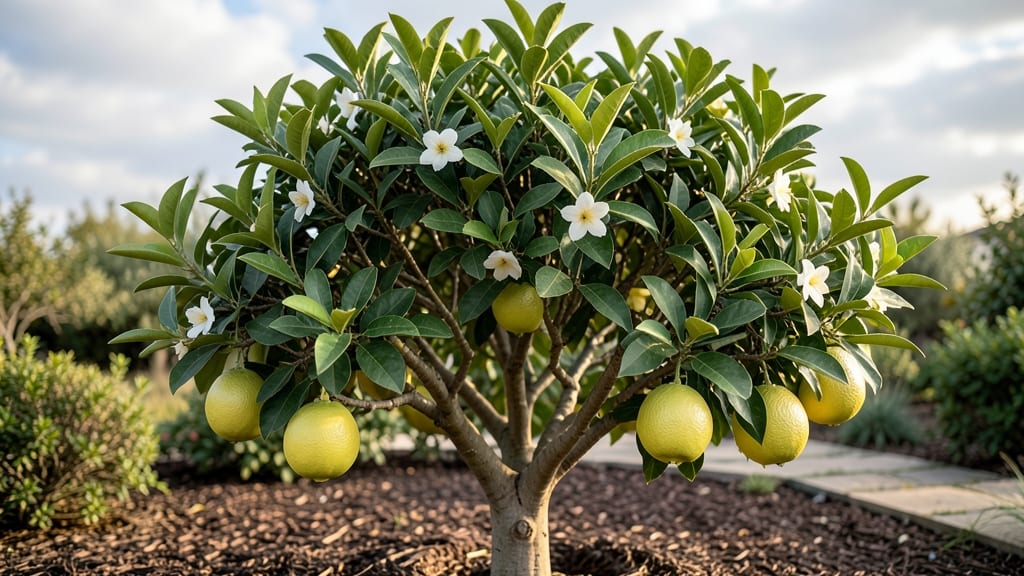
My Oro Blanco grapefruit tree produces seedless, sweet fruit year-round—but the real secret isn’t just the tree itself, it’s how I prune it. ✂️ After years of trial and error, I’ve cracked the code to keep this cold-hardy citrus tree productive from Florida to California, even when other varieties struggle.
The key is pruning at the right time—late winter or early spring—before new growth starts. You’ll shape the tree to maximize sunlight exposure for fruit development while keeping it compact enough for easy harvesting.
I’ve watched trees go from sparse harvests to bountiful branches just by adjusting my pruning schedule. You’ll end up with a tree that bears fruit every 8-10 weeks, not just twice a year.
The fruit stays juicy and sweet even in heat waves, and the tree handles light frosts better than most grapefruits. The only tools you need are sharp pruners, rubbing alcohol for sterilization, and a clear day to work. This method works for container-grown trees too—just scale down the pruning intensity.
Whether you’re in Zone 9 or pushing the limits in Zone 8, here’s how to keep your Oro Blanco producing like a champion.
📚 In This Guide
- What you need
- Instructions
- Tips and common mistakes
- Wrapping up and next steps
What you need
- ● Pruning shears: Bypass pruners (sharp, sterilized with rubbing alcohol) for small branches (up to ½ inch thick). Pro tip: 💡 Test sharpness on a scrap branch—if it tears, it’s dull!
- ● Loppers: 1 pair (for branches ½–2 inches thick). Look for ratcheting or bypass types for cleaner cuts.
- ● Pruning saw: 1 handheld saw (for thick branches >2 inches). A bow saw or pruning saw with fine teeth works best.
- ○ Gloves: 1 pair of cut-resistant, breathable gloves (gardening or pruning-specific). Optional: Add a thumb cuff for extra protection!
- ● Disinfectant: Rubbing alcohol (70% isopropyl) or a pruning sealant (e.g., Tanglefoot Tree Wound Pruning Seal) to prevent disease.
- ● Ladder or step stool: Adjustable height (6–10 ft) to reach higher branches safely.
- ○ Heavy-duty trash bags: 2–3 (for collecting pruned branches and debris). Optional: A wheelbarrow for hauling larger clippings.
- ○ Marking twine or flags: For labeling branches to prune (if needed). Optional: A spray paint marker for quick visual cues.
- ● Timing: Prune during the tree’s dormant season (late winter/early spring) or right after harvest (avoid heavy pruning in summer).
- ● Weather check: Choose a dry, overcast day to minimize stress on the tree and reduce disease risk.
- ● Safety gear: Safety glasses (to protect from debris) and closed-toe shoes.
- ○ Tree health assessment: Inspect the tree for pests, diseases, or dead branches before pruning. Optional: A magnifying glass for close-ups.
Step-by-step guide to pruning your Oro Blanco grapefruit tree
Pruning transforms a grapefruit tree from a wild, tangled mess into a thriving, fruit-bearing powerhouse.
✂️ Step 1: Time Your Pruning for Maximum Fruit Production
Prune your Oro Blanco grapefruit tree right after harvest in late winter or early spring, before new growth begins. This timing ensures you remove last year's spent wood while leaving the tree's energy reserves intact for the next flush of fruit. Avoid pruning during summer heat—it stresses the tree and invites disease through fresh cuts.
If you missed the winter window, prune in early fall instead, but stop by October to allow enough time for new growth to harden before winter. Never prune in late fall or winter when the tree is dormant—you'll risk frost damage to fresh cuts. Watch for new leaf buds forming along branches; these signal the tree is waking up and ready for pruning.
🌿 Step 2: Remove Dead, Diseased, or Crossing Branches First
Start by cutting out any dead, broken, or diseased branches—these are easy to spot as they're brown, brittle, or oozing sap. Use clean, sharp pruning shears to make clean cuts at a 45-degree angle, just outside the branch collar (the swollen area where the branch meets the trunk). Diseased wood should be bagged and disposed of immediately to prevent spreading.
Next, remove crossing or rubbing branches—these create wounds where bark gets damaged, inviting pests and disease. Look for branches that grow directly toward each other or overlap; these will eventually tear open. Cut the smaller of the two branches at its base. If both are equal in size, remove one entirely and prune the other to maintain the tree's natural shape.
☀️ Step 3: Thin the Canopy for Better Airflow and Sunlight
Step back and assess the tree's overall shape—your goal is to create an open, vase-like structure that allows sunlight to reach the center. Start by removing suckers (shoots growing from the trunk or roots) and water sprouts (fast-growing vertical shoots). These compete with fruit-bearing branches for energy. Cut these back to their point of origin with clean, angled cuts.
Next, thin out overcrowded branches—aim to leave 6-8 inches of space between branches. This improves airflow, reducing humidity and preventing fungal diseases like anthracnose. Focus on removing branches that grow inward or downward; these block light and drain energy. After thinning, the tree should resemble an open umbrella with sunlight streaming through to the center.
⏰ Step 4: Shape the Tree for Optimal Fruit Production
Prune to encourage a balanced, rounded canopy with 3-5 main scaffold branches emerging from the trunk. These branches should spread outward at a 45-60 degree angle—this angle ensures stability and maximizes sunlight exposure. If a branch grows too upright, make a light cut just above an outward-facing bud to redirect its growth.
For established trees, limit pruning to no more than 25% of the canopy in a single session. Over-pruning stresses the tree and reduces fruit production. Focus on selective pruning—remove only the branches that improve structure or fruit access. After pruning, step back and visualize how sunlight will hit the tree; you want every branch to have a clear path to light.
💧 Step 5: Clean Up and Apply Post-Pruning Care
After pruning, sterilize your tools with rubbing alcohol to prevent spreading disease. Collect and dispose of all pruned branches—never leave them on the ground, as they can harbor pests. If you're pruning in a humid climate, apply a copper fungicide spray to fresh cuts to prevent fungal infections.
Water the tree deeply after pruning to help it recover. Avoid fertilizing immediately—wait 4-6 weeks to allow the tree to heal. During this time, monitor for new leaf growth along the remaining branches; this is a sign the tree is responding well. If you notice yellowing leaves or wilting, adjust your watering—Oro Blanco grapefruit trees prefer consistent moisture but hate soggy roots.
Tips & tricks for pruning your Oro Blanco grapefruit tree
Here's what nobody tells you about pruning—these tricks will turn your grapefruit tree from a tangled mess into a fruit-producing machine.
Timing is Everything: The late winter/early spring window (right after harvest) is non-negotiable for Oro Blanco trees. I learned this the hard way after pruning in summer—my tree struggled for months to recover. If you miss that window, early fall is your second chance, but stop by October to prevent winter damage. Watch for those tiny leaf buds forming; they're your green light to prune.
Tool Prep Prevents Problems: Sterilizing your pruning shears with rubbing alcohol between cuts isn't just good practice—it's essential. I once skipped this with a tree that had anthracnose, and it took two years to fully recover. For diseased branches, use a separate pair of shears and dispose of infected wood immediately. Don't leave pruned branches on the ground; they're pest magnets waiting to happen.
Angle Matters More Than You Think: Those 45-degree cuts aren't just for looks—they help water run off and prevent rot. When cutting back to the branch collar, make the cut just outside that swollen area. I see so many people cutting flush with the trunk, which creates wounds that never heal properly. For crossing branches, always remove the smaller one first to maintain the tree's natural shape.
Canopy Vision Test: After thinning, step back and visualize sunlight streaming through the center. Your goal is that open umbrella shape with 6-8 inches between branches. I developed this "sunlight test" after noticing my most productive trees always had this exact spacing. If you can't see light reaching the center, you haven't thinned enough. Focus on removing downward-growing branches first—they're the biggest sunlight blockers.
Pro Tips for Oro Blanco Grapefruit Tree
- Here's what nobody tells you about pruning—these tricks will turn your grapefruit tree from a tangled mess into a fruit-producing machine.
- Timing is Everything: The late winter/early spring window (right after harvest) is non-negotiable for Oro Blanco trees.
- Tool Prep Prevents Problems: Sterilizing your pruning shears with rubbing alcohol between cuts isn't just good practice—it's essential.
Frequently asked questions
Got questions about keeping your Oro Blanco grapefruit tree thriving with pruning? You’re not alone! Here are answers to the most common queries—from timing to troubleshooting—so you can enjoy year-round fruit abundance without the guesswork.
When is the best time to prune my Oro Blanco grapefruit tree?
The ideal time is late winter or early spring, just before new growth begins. Avoid pruning during summer heat or winter frost, as this can stress the tree. Light pruning (removing dead/diseased branches) can happen year-round, but major shaping should wait for dormancy. Pro tip: Prune after harvest to encourage next year’s fruit set!
How much should I cut back? Should I remove entire branches?
For Oro Blanco grapefruit trees, aim to remove no more than 20-25% of the canopy in one session. Focus on:
- Dead, crossing, or crowded branches (use sharp pruners for clean cuts).
- Suckers (shoots at the base) to direct energy to fruit production.
- Avoid "topping" (cutting the main trunk)—this harms the tree long-term.
Will pruning reduce my grapefruit yield?
Not if done correctly! Pruning actually boosts fruit quality and quantity by:
- Improving air circulation (reduces disease like fungal infections).
- Encouraging larger, sweeter fruit by focusing energy on fewer branches.
- Opening the canopy to sunlight, which enhances flavor in Oro Blanco grapefruits.
My Oro Blanco tree isn’t fruiting after pruning. What went wrong?
Common issues and fixes:
Pruned too aggressively? Wait a year for recovery—fruit may return next season.
Lack of sunlight? Ensure the tree gets 6+ hours of direct light daily.
Nutrient deficiency? Test soil pH (ideal: 6.0–7.0) and amend with citrus-specific fertilizer.
Young tree? Citrus trees often take 3–5 years to bear fruit after planting.
If branches are bare, check for pests (like aphids) or root rot—treat promptly!Can I prune an Oro Blanco grapefruit tree in containers?
Yes! Container-grown trees need regular pruning (every 6–12 months) due to limited space. Key adjustments:
- Prune more aggressively (up to 30%) to control size, but avoid overcrowding.
- Use dwarf rootstock varieties if space is tight.
- Repot every 2–3 years to refresh soil and prevent root-bound stress.
Wrapping up and next steps
Growing an Oro Blanco grapefruit tree is a rewarding journey that yields sweet, fragrant fruit year-round—when you master the art of pruning! 🌿 With the right tools, timing, and techniques, you’ll encourage vigorous growth, better airflow, and bountiful harvests.
Whether you’re trimming for shape, health, or fruit production, remember: patience and consistency are key.
Ready to take the next step? Start by scheduling your first pruning session this fall and observe how your tree responds. Over time, you’ll develop an intuitive rhythm with your Citrus × paradisi—and soon, you’ll be the proud guardian of a thriving, fruit-filled canopy! 🍊✨