
Trees
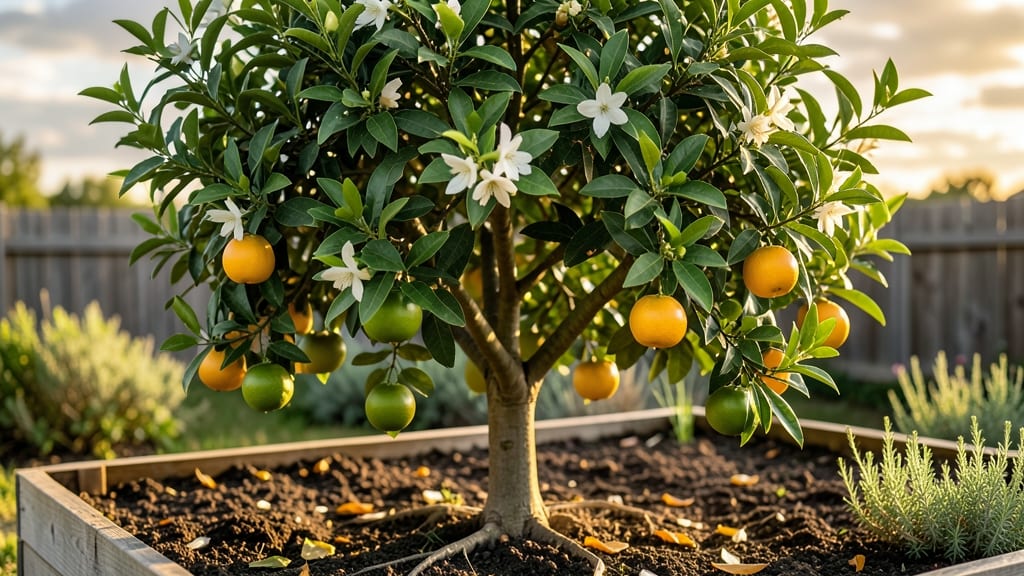
Understanding the orange tree fruit cycle 🍊 is the key to turning your citrus tree into a year-round producer—because one wrong move in timing can mean blooms without fruit, or fruit that never ripens.
Want to know exactly when your orange tree will bloom, set fruit, and finally bear juicy oranges? Timing is everything in citrus cultivation—and missing these critical windows could mean no harvest at all this year.
From the first frost-free days of December to the peak harvest in spring, each stage of the cycle depends on temperature, water, and care.
Whether you’re growing a Valencia or a Navel, the difference between a sparse crop and a lush one often comes down to knowing when to fertilize, prune, and watch for early fruit drop.
Below, I’ll walk you through the exact month-by-month timeline for blooming, fruit set, and harvest—plus the 3 biggest mistakes that kill fruit production before it starts.
Orange tree blooming and fruit set timeline by variety
Understanding your orange tree's fruit cycle is the key to a bountiful harvest. Each variety has its own schedule for blooming, pollination, and fruit set, and these timelines shift dramatically based on your USDA climate zone.
In Zone 9b (the ideal range for citrus), most trees bloom in late winter, but cooler zones like Zone 8a may see delays of 4-6 weeks. Let’s break down the exact months for popular varieties and how to adjust for your location.
For example, Valencia oranges—the classic juicing variety—typically bloom in February and set fruit by April, while Navel oranges start their cycle earlier in January. Blood oranges, with their striking red flesh, follow a similar timeline but often produce fruit slightly later in the season.
These differences matter because missing the pollination window (usually 2-3 weeks after blooming) can mean no fruit at all.
Here’s how climate zones affect timing: In Zone 10a, blooms may start as early as December, while in Zone 8a, they might not appear until March. Even within the same zone, microclimates—like a sheltered garden spot—can shift these dates by 1-2 weeks.
Tracking your tree’s progress with a simple growth journal helps you anticipate each stage and adjust care accordingly.
If you’re in a cooler zone like Zone 8a, shift these timelines 4-6 weeks later. For example, a Valencia orange in Zone 8a might not bloom until April instead of February.
To adjust, monitor your tree’s progress and use frost blankets if late blooms appear during a cold snap. In warmer zones like Zone 10a, blooms can start as early as December, so be prepared for an earlier harvest.
One of the most critical stages is fruit set, which occurs 4-6 weeks after pollination. During this time, young fruit may drop if the tree isn’t getting enough water, nut
How to maximize fruit set: pollination secrets and common mistakes
Pollination is the make-or-break step in your orange tree fruit cycle. Even with perfect blooms, poor pollination can leave you with no fruit—or tiny, misshapen oranges. The good news? You can control key factors to boost success, especially if your tree is indoors or in a low-pollen environment.
Citrus trees like oranges rely on bees, wind, or human help to transfer pollen. In ideal outdoor conditions, bees handle most of the work—but indoor trees or those in pollen-poor zones often need a helping hand. Understanding the orange tree fruit cycle helps you time interventions correctly.
⚠️ callout warning
Start by identifying healthy blossoms. Look for white or pale pink flowers with no signs of damage. If you see dropping blossoms within 24 hours, your tree may be stressed—check for overwatering, underwatering, or pests.
Healthy blossoms should stay on the tree for 3-5 days before pollination occurs.
For outdoor trees, encourage pollinators by planting bee-friendly flowers nearby (like lavender or sunflowers). Avoid pesticides during bloom time, as they can kill bees and leave your tree dependent on wind—an unreliable pollinator. If you’re in a low-bee area, hand-pollination is your best bet.
Hand-pollination is simple: Use a soft paintbrush or cotton swab to gently transfer pollen from one flower’s male stamens to another’s female stigma. Do this on dry, sunny mornings when flowers are open.
For indoor trees, this method is often the only way to ensure fruit set. Repeat every 2-3 days during the bloom period.
Watch for signs of poor fruit set, like excessive blossom drop or tiny, underdeveloped fruit. If this happens, check for nutrient deficiencies (especially zinc or boron) or overpruning that removed too many flower-producing branches.
Correct the issue quickly—once fruit sets, it’s too late to fix pollination problems.
Finally, avoid heavy pruning during bloom season. Prune only after harvest to prevent removing next year’s flower buds. And never use synthetic fertilizers high in nitrogen during flowering—they promote leafy growth at the expense of fruit.
Instead, switch to a balanced citrus fertilizer with low nitrogen and high potassium to support fruit development.