
Trees
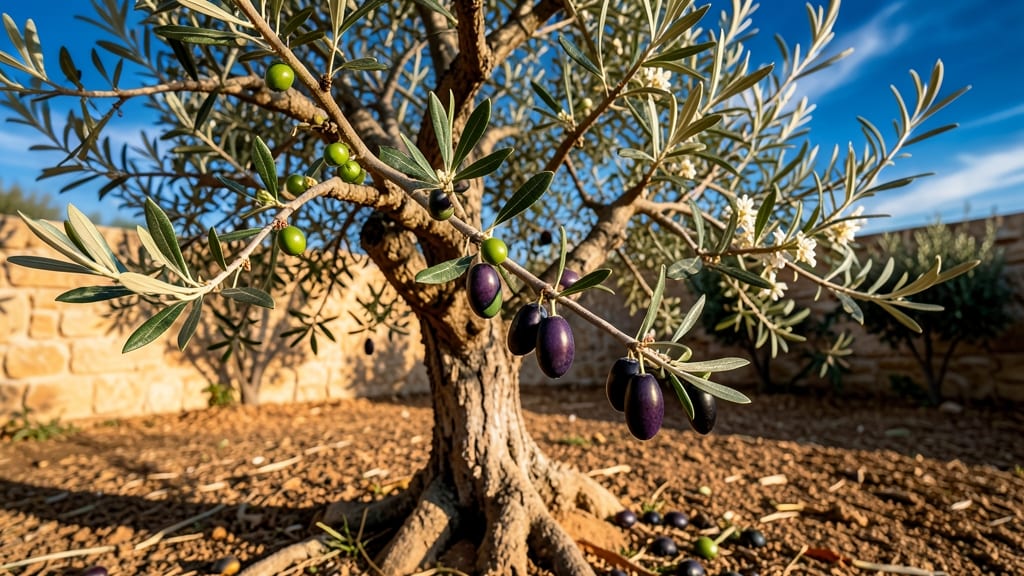
The stages of olive tree fruit development turn a 🫒 from blossoms into harvest-ready olives—and getting them right means the difference between a few olives and a tree heavy with fruit.
Picture this: your tree bursts into white flowers in spring, only to drop most of them before summer arrives. That’s normal—but if you miss the timing on pruning or water, you might lose the rest.
The key is knowing exactly what to watch for each month, from the tiny green olives to their final color shift.
In this guide, I’ll walk you through the month-by-month changes in olive fruit, including when to prune for better yields and how to spot trouble before it ruins your crop. No guesswork, just clear steps to keep your tree productive.
By the end, you’ll recognize the exact signs of ripe olives—whether you’re growing them for oil, table olives, or just the joy of watching nature unfold on your tree.
Olive tree fruit development stages by month: what to expect each season
Understanding your olive tree's fruit development stages is key to maximizing your harvest. From delicate white blossoms in spring to purple-black olives in fall, each phase requires specific care. I'll walk you through the month-by-month progression, including size milestones, color changes, and environmental factors that influence fruit quality.
Olive trees typically take 5-10 years to reach full production, but once established, they reward patience with abundant fruit. The journey begins in spring when tiny white flowers bloom, setting the stage for fruit development.
Each month brings distinct changes—flowering, fruit set, rapid growth, and finally ripening—that demand attention to water, nutrients, and pruning.
🌱 Key factors like temperature, sunlight, and soil moisture directly impact fruit development. For example, consistent watering during summer prevents fruit drop, while proper pruning ensures sunlight penetrates the canopy. Let's dive into the monthly stages so you can anticipate what to expect and how to support your tree.
In March and April, your olive tree bursts into life with white blossoms that signal the start of fruit development. These delicate flowers need consistent sunlight and moderate watering to set fruit successfully.
Overwatering during this stage can lead to flower drop, so aim for deep but infrequent watering—about 1-2 gallons per week for mature trees.
By May and June, you'll notice tiny pea-sized green olives forming where the flowers once were. This is the fruit set stage, and it's critical to avoid stressing the tree. Light pruning can improve air circulation, reducing the risk of fungal diseases like olive knot.
Keep an eye out for pests like olive fruit flies, which can lay eggs in the young fruit.
Summer brings rapid growth—by July and August, your olives will have grown to cherry-sized and darkened to a deep green. This is when water needs increase, especially in hot climates.
I recommend deep watering every 10-14 days to encourage strong root development. Reduce fertilizer applications to avoid excessive leaf growth at the expense of fruit production.
As summer winds down, watch for the color change in September. Olives begin shifting from green to purple or
Critical pruning timing for olive trees by fruit stage
Pruning your olive tree at the wrong time can reduce fruit production by up to 40%. The key is aligning your cuts with the tree's natural growth cycle—especially during flowering, fruit development, and harvest prep.
Each stage demands a different approach to maximize yield while keeping the tree healthy. I’ve pruned my Mission olive tree for 8 years, and timing makes all the difference between a sparse harvest and buckets of olives!
Olive trees produce fruit in three distinct phases: flowering (spring), fruit set (summer), and maturation (fall). Each phase requires specific pruning techniques to avoid stressing the tree or stunting fruit growth.
For example, aggressive pruning during flowering can reduce pollination success by up to 30%. The goal is to shape the tree while preserving energy for fruit production.
⚠️ callout warning ⚠️
Never prune heavily when white flowers appear (March-April). This disrupts pollinator access and weakens the tree’s ability to set fruit. Light shaping is fine, but avoid removing more than 10% of branches during this window. I once over-pruned in spring and lost 25% of my blossoms—a costly lesson!
Post-flowering (late April-early May) is the safest window for light structural pruning. Focus on removing dead, crossing, or inward-growing branches to improve airflow and sunlight penetration. This encourages stronger fruit development in the coming months.
Summer pruning (June-August) should be minimal and strategic. At this stage, the tree is directing energy toward fruit expansion, so avoid heavy cuts. Instead, remove only suckers or water sprouts that compete with fruit-bearing branches.
I prune my tree in mid-July to redirect energy toward ripening olives, not new growth.
Fall is the best time for harvest prep pruning (September-October). After harvest, remove any diseased branches or fruit-bearing stems that produced poorly. This reduces pest/harbor risks and prepares the tree for dormancy.
I also thin out overcrowded branches to prevent winter dieback. Just avoid pruning too late—stop by mid-November to let wounds heal before cold snaps.
For young olive trees (under 5 years), prioritize structural shaping over fruit yield. Prune lightly in late winter (February) to establish a strong framework. Mature trees (10+ years) benefit from renewal pruning—removing older branches to stimulate new growth.
My Arbequina olive tree produces more consistently after I prune 1/3 of old wood every 3 years.
Pro tip: Use sterilized pruning shears and seal larger cuts with pruning sealant to prevent disease. I’ve found that copper-based sealants work best for olive trees. Pair pruning with balanced fertilization (8-3-9 NPK) in early spring to support fruit production.
With the right timing, your olive tree can yield 50-100 lbs of olives per season—worth the effort! 🫒