
Fertilization
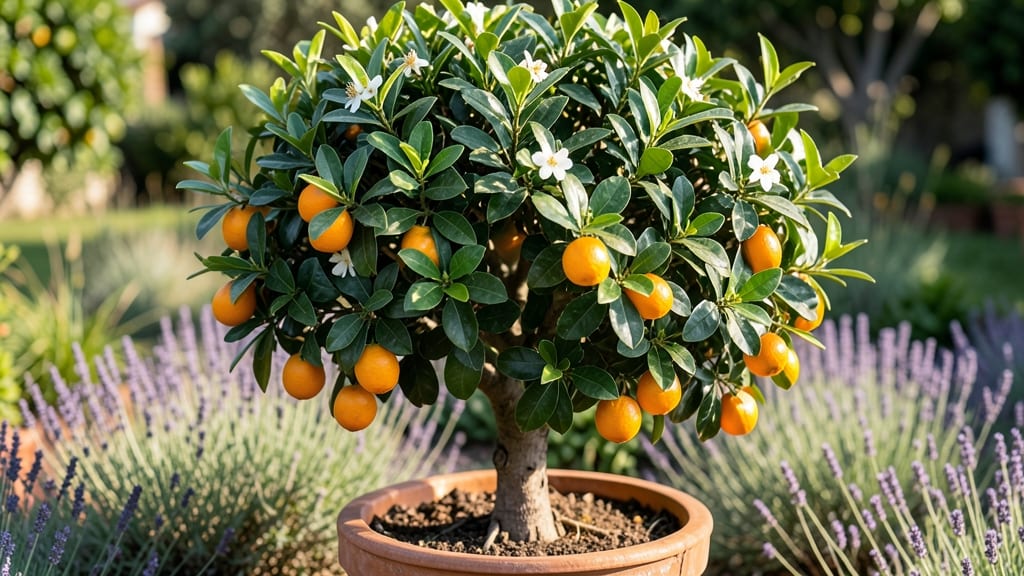
Growing Meiwa kumquat fruit in containers means sweet, edible citrus all year long—no frost, no fuss. 🌱 This variety stands out with its sweeter flavor and larger fruit compared to other kumquats, making it a standout for both eating fresh and cooking (though we're keeping it garden-focused!).
The secret lies in mimicking its native Mediterranean conditions right on your patio or balcony.
You'll need a 15-gallon container with drainage holes, well-draining soil mixed with compost, and a spot that gets 6-8 hours of sunlight daily. Unlike many citrus trees, Meiwas thrive in USDA zones 9-11 but can be overwintered indoors in cooler climates.
Prune lightly after harvest to encourage new growth, and fertilize monthly during growing season with citrus-specific food.
The payoff? Harvests from late fall through winter, when most citrus trees are dormant. Fruit stays on the tree longer, ripening gradually for a continuous supply. The trees stay compact—6-10 feet tall—perfect for containers.
Just watch for fruit drop in hot weather (normal!) and protect from temperatures below 20°F at all costs.
Even in small spaces, these trees deliver years of productivity with minimal care. The first harvest comes in 2-3 years, but the effort is worth it for that first taste of homegrown citrus. Ready to grow your own? Let's get started with the essentials!
📚 In This Guide
- What you need
- Instructions
- Tips and common mistakes
- Wrapping up and next steps
What you need
- ● Container: A 5-gallon or larger pot with drainage holes (minimum 18-inch diameter for mature plants). Choose a durable material like ceramic, plastic, or fabric grow bags.
- ● Well-draining potting mix: A blend of 60% cactus/succulent mix, 30% perlite or pumice, and 10% compost (avoid heavy garden soil).
- ● Meiwa kumquat plant: A dwarf or semi-dwarf variety (e.g., 'Meiwa' or 'Centennial') from a nursery. Ensure it’s potted and healthy (2-3 years old for best results).
- ● Fertilizer: Balanced citrus fertilizer (e.g., 6-6-6 or 8-3-9 NPK ratio) for regular feeding.
- ● Slow-release granules (e.g., Osmocote) for seasonal nutrient boosts.
- ● Mulch: Pine bark fines or straw (1-2 inches thick) to retain moisture and regulate soil temperature.
- ● Basic gardening tools: Trowel, pruning shears, and a watering can with a rose attachment for gentle watering.
- ● pH testing kit: To monitor soil acidity (ideal range: 6.0–7.0).
- ● Citrus-specific pest control: Neem oil or insecticidal soap for aphids or scale.
- ○ Support stake or trellis: For heavier fruit-bearing branches (optional but helpful).
- ● Grow lights: LED or fluorescent (if growing indoors) to supplement 6–8 hours of sunlight.
Step-by-step guide to growing meiwa kumquats in containers
Here's how I've mastered growing these sweet-sour jewels year after year—no greenhouse required.
🪴 Step 1: Select the Right Container and Soil Mix
Choose a 5-gallon pot or larger with drainage holes—kumquats need room for roots to spread. I use unglazed terra cotta because it breathes and prevents root rot, which these citrus trees are prone to. The soil must be well-draining yet moisture-retentive, so I blend equal parts potting mix, perlite, and compost. This keeps roots aerated while holding enough water to prevent wilting.
Fill the pot until it's 2 inches from the rim, then tap gently to settle the mix. The reason for leaving space is that kumquats grow quickly, and you'll need to add more soil as the tree matures. Press down lightly but don't compact—roots need air to grow strong.
☀️ Step 2: Plant and Position for Maximum Sunlight
Remove the kumquat from its nursery pot and loosen the roots if they're circling. Place it in the center of your container, then fill around the base with the prepared soil mix. Press gently to eliminate air pockets but avoid compacting. The root flare (where the roots meet the trunk) should sit just above soil level—burying it too deep causes rot.
Kumquats demand full sun (6-8 hours daily) for fruit production. In my experience, a south-facing window or patio works in warm climates, but most growers need a grow light for winter. Position the tree within 3 feet of the light source and rotate the pot quarter-turn weekly to prevent lopsided growth. You'll know it's getting enough light when new leaves emerge bright green and compact—not stretched or pale.
💧 Step 3: Water and Fertilize for Optimal Growth
Water deeply every 5-7 days until water runs freely from the drainage holes. Kumquats hate soggy roots but also can't tolerate drought—let the top 2 inches of soil dry out before watering again. I use room-temperature water to avoid shocking the roots, and I water at the base to keep leaves dry (preventing fungal issues).
Start fertilizing spring through fall with a balanced citrus fertilizer (6-6-6 or 8-3-9) every 4-6 weeks. In winter, cut back to monthly applications since growth slows. You'll see dark green, glossy leaves and new shoots as signs it's thriving. If leaves yellow between veins, it's a classic sign of iron deficiency—switch to a chelated iron supplement immediately.
✂️ Step 4: Prune and Support for Fruit Production
Prune late winter or early spring before new growth begins. Remove dead, crossing, or inward-growing branches first—this opens the center for airflow and sunlight. Then, cut back overly long branches by 1/3 to encourage bushier growth. Use clean, sharp pruners and make cuts at a 45-degree angle just above a leaf node.
Kumquats produce fruit on new wood, so avoid heavy pruning in fall. If your tree gets top-heavy with fruit, stake it with a bamboo pole tied loosely with soft twine. You'll know pruning worked when you see multiple branches with flower buds in spring—each bud will eventually become a sweet-sour kumquat.
⏰ Step 5: Harvest and Winter Care for Year-Round Fruit
Harvest Meiwa kumquats in fall and winter—they ripen after flowering (unlike most citrus). The fruit turns bright orange and feels slightly soft when ready. Twist gently to detach from the stem; if it resists, use small pruners. Store unwashed fruit in a cool, dark place for up to 2 weeks—they're best eaten fresh or candied.
Before winter, move your kumquat to a bright, cool location (50-60°F) if temperatures drop below 40°F. Reduce watering to every 10-14 days and stop fertilizing entirely. If you're in a cold climate, wrap the pot in bubble wrap and place it near a south-facing window to maximize light. With proper care, your tree will reward you with fruit year after year.
Tips & tricks for thriving container-grown meiwa kumquats
These battle-tested strategies will help you avoid the most common pitfalls and maximize your harvest.
Container Size Matters: While a 5-gallon pot works for young trees, plan to upgrade to 7-10 gallons within 2-3 years as roots expand. I've seen kumquats in 5-gallon pots struggle after just 18 months—roots become root-bound quickly. Look for containers with at least 12 inches of depth and 18 inches of diameter for mature trees. The extra space prevents circling roots and improves stability for fruit-bearing branches.
Lighting Hacks for Indoor Growers: If your south-facing window isn't enough, supplement with a LED grow light on a timer (12-14 hours daily). Place it 6-12 inches above the tree and adjust height as the tree grows. I use a full-spectrum bulb that mimics sunlight—this prevents the leggy growth you get from regular household lights. Rotate the pot weekly to ensure even exposure on all sides.
Fertilizer Timing is Everything: The 4-6 week spring-fall schedule works best when you fertilize right after watering—this prevents root burn. I've found that early morning applications give roots the whole day to absorb nutrients before evening watering. For winter months, switch to a low-nitrogen formula (like 3-1-2) to support dormancy without encouraging new growth in cold conditions.
Winter Survival Strategy: When temperatures drop below 40°F, move your kumquat to a garage or basement with a south-facing window if indoor space is limited. The 50-60°F range is ideal—too warm and it breaks dormancy prematurely. I've wrapped pots in bubble wrap with the top left open to insulate roots while allowing airflow. This simple trick has saved my trees during unexpected cold snaps.
Pro Tips for Meiwa Kumquat Fruit
- These battle-tested strategies will help you avoid the most common pitfalls and maximize your harvest.
- Container Size Matters: While a 5-gallon pot works for young trees, plan to upgrade to 7-10 gallons within 2-3 years ...
- Lighting Hacks for Indoor Growers: If your south-facing window isn't enough, supplement with a LED grow light on a ti...
Frequently asked questions
Got questions about growing and enjoying meiwa kumquats in containers? You’re not alone! Here are answers to the most common queries—from planting to harvest and everything in between.
When is the best time to plant meiwa kumquats in containers?
Plant your meiwa kumquats in early spring (after the last frost) or late fall (before hard freezes). This gives roots time to establish before extreme temperatures hit. If you’re in a warm climate, spring planting is ideal—just avoid summer heatwaves, which can stress young trees.
How often should I fertilize meiwa kumquats in containers?
Feed your kumquat tree every 4–6 weeks during active growth (spring through fall) with a balanced citrus fertilizer (e.g., 6-6-6 or 8-3-9). Reduce to monthly in winter or switch to a low-nitrogen formula. Over-fertilizing can harm roots—always water thoroughly after applying fertilizer!
Why aren’t my meiwa kumquats bearing fruit?
Common reasons include:
- Young age: Trees take 2–3 years to fruit.
- Insufficient sunlight: Needs 6+ hours of direct sun daily.
- Poor pollination: Meiwas are self-pollinating but benefit from gentle shaking of branches to aid fruit set.
- Nutrient deficiency: Yellow leaves? Try a citrus micronutrient spray.
If issues persist, check for pests (aphids, scale) or root-bound containers.
Can meiwa kumquats survive winter in containers?
Yes! Protect them with:
- Insulation: Wrap the pot in bubble wrap or bury it in straw/mulch.
- Move indoors: If temps drop below 20°F (-7°C), relocate to a cool, sunny spot (like a garage with windows).
- Avoid wet soil: Overwatering in winter causes root rot.
Hardy to 15°F (-9°C), but young trees need extra care!
How do I store harvested meiwa kumquats?
Store whole kumquats in the fridge (35–40°F) for up to 2 weeks in a paper towel-lined container to prevent moisture buildup. For longer storage, freeze peeled segments (great for baking!). Never refrigerate if you plan to eat them fresh—they’re best at room temp for 5–7 days.
Wrapping up and next steps
Growing meiwa kumquats in containers is a rewarding way to enjoy year-round citrus harvests—even in small spaces! 🌱 With the right soil, sunlight, and care, these sweet-tart gems thrive, offering fresh fruit and vibrant greenery.
Whether you're a beginner or a seasoned gardener, their adaptability makes them a perfect addition to your urban homestead.
Ready to get started? Pick a sunny spot, grab your container, and plant your first meiwa kumquat today! Your future harvest (and taste buds) will thank you.