
Advice
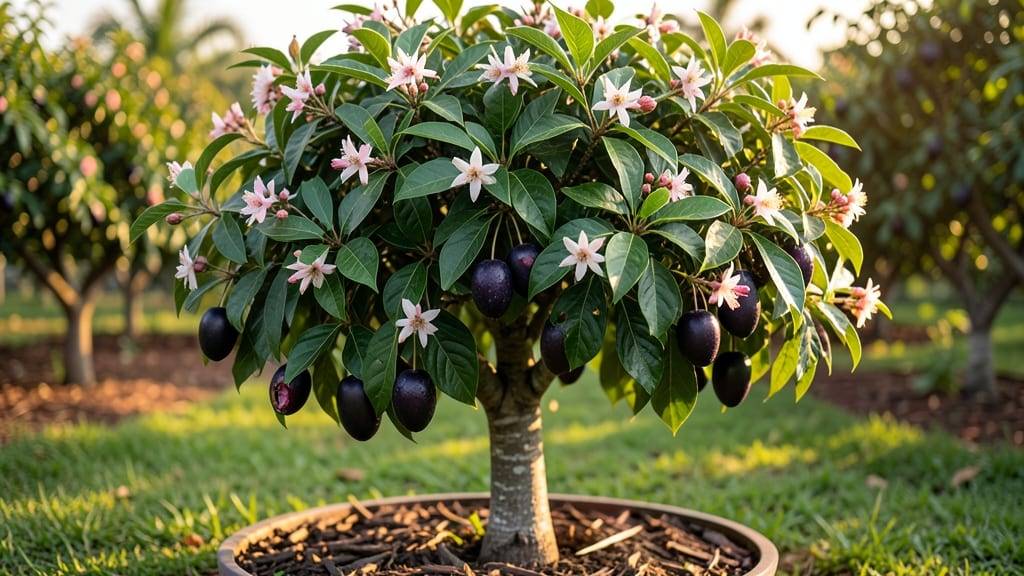
Finding jamun fruit in the USA means checking Indian or Asian grocery stores during peak season, where the best fruit is deep purple, soft to the touch, and fragrant. You can use fresh or dried versions for desserts, jams, or traditional remedies like jamun powder for blood sugar support.
Jamun fruit thrives in the USA's summer months, typically from June through August, when Indian and Asian specialty stores stock the freshest batches. 🌿 The deep purple hue signals ripeness, while a slight give when pressed confirms sweetness—unripe fruit stays hard and greenish.
Dried jamun, often sold in bulk for baking or herbal teas, retains its benefits but loses some moisture content. I always recommend buying from trusted vendors like Patel Brothers or H Mart, where you can verify freshness before purchase.
What sets jamun apart is its dual-purpose nature—delicious in desserts like gulab jamun while packed with antioxidants for blood sugar management. 💫 The powdered form, made from dried fruit, is especially popular in Ayurvedic traditions for its ability to stabilize glucose levels naturally.
For the best experience, pair fresh jamun with yogurt or cardamom, or use dried pieces in spiced rice dishes.
💡 In This Article
- How to Identify Ripe Jamun Fruit for Optimal Flavor
- Top USA Grocery Stores and Online Sources for Authentic Jamun Fruit
How to identify ripe jamun fruit for optimal flavor
The ripening process of Syzygium cumini (jamun) involves complex biochemical changes that transform its color, texture, and aroma. When unripe, the fruit appears greenish with a firm, almost woody exterior due to high levels of chlorophyll and cellulose fibers.
As it matures, the chlorophyll breaks down while anthocyanins—water-soluble pigments—accumulate, shifting the skin to deep purple. This color shift isn't just visual; it signals the fruit's natural sugars (like glucose and fructose) have converted from starches, peaking at 18-22% sugar content by weight.
Texture is your best indicator of ripeness. A perfectly ripe jamun yields slightly when pressed with gentle thumb pressure—like a ripe plum—while still maintaining its shape. Overripe fruit becomes mushy, losing its firmness as pectin enzymes break down cell walls.
The scent also evolves: ripe jamun emits a sweet, floral aroma (similar to blackberry with a hint of vanilla), while unripe fruit smells neutral or slightly bitter. 🌿 What most people overlook is that overripe jamun loses some of its medicinal properties, particularly the polyphenols that help regulate blood sugar, as these compounds degrade when cells rupture.
For home cooks, this means timing matters. Fresh jamun is best used within 2-3 days of purchase, while dried versions retain their properties for months. When selecting, avoid fruit with green patches (underripe) or wrinkled skin (overripe).
The ideal jamun for desserts like gulab jamun should have a deep purple-black hue and a glossy sheen—this indicates optimal sugar concentration and moisture balance. For medicinal uses, prioritize fruit that's fully purple but still firm to the touch, as this preserves the highest concentration of bioactive compounds.
Here's what to watch for when examining jamun:
- Color: Uniform deep purple (no green or brown spots)
- Texture: Gives slightly when pressed but doesn't dent
- Aroma: Sweet, floral, and slightly vanilla-like
- Weight: Feels heavy for its size (indicates juiciness)
The ripening process also affects how jamun interacts with other ingredients. Ripe fruit caramelizes beautifully when cooked, developing a rich, jam-like consistency perfect for chutneys or desserts.
Unripe jamun, however, remains tart and fibrous, making it better suited for preserves where acidity is desired. 💫 The key is balance—jamun at peak ripeness delivers both culinary excellence and maximum health benefits in one package.
Pro tip: If you can't find perfectly ripe jamun, look for slightly underripe fruit (firm but starting to purple) and let it ripen at room temperature for 1-2 days. Place it in a paper bag with a banana (which releases ethylene gas) to speed up the process naturally.
This works because ethylene triggers the breakdown of chlorophyll and activates anthocyanin production, mimicking the natural ripening conditions of jamun's tropical origins.