
Size
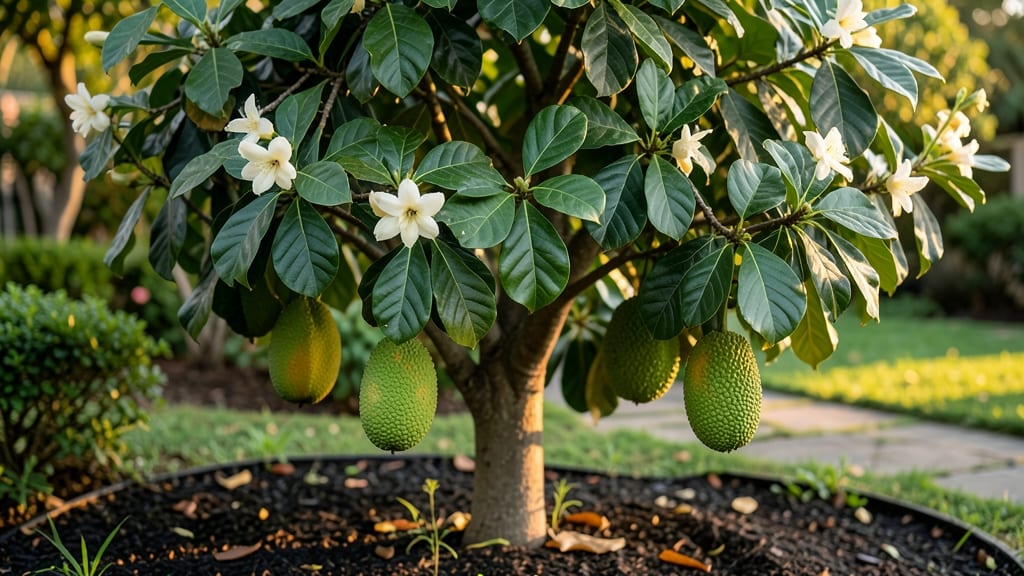
Yes, growing a sugar apple in a garden is possible, but it’s a tropical fruit that thrives in warm climates, requiring USDA zones 10-12 or greenhouse cultivation in cooler regions. Its delicate nature demands careful soil, humidity, and temperature control for successful garden growth.
Is sugar apple a tropical fruit you can grow in a garden? Yes, but only with the right conditions. Sugar apple, also called chikoo, is a true tropical fruit native to Southeast Asia and the Caribbean, where warm temperatures and high humidity create its ideal growing conditions. 🌴 Without these factors, the plant struggles to produce fruit, which is why gardeners in cooler climates must replicate tropical environments—through greenhouses or containers with precise climate control. The fruit's sweet, custard-like texture comes from its tropical upbringing, making it a rewarding but challenging plant for home gardeners outside its natural range.
What sets sugar apple apart is its sensitivity to temperature drops below 60°F, which can damage leaves and prevent fruiting. Even in tropical zones, well-draining soil and partial shade protection are essential to prevent stress.
For non-tropical gardeners, container growing with a heat mat in winter can extend the growing season, but patience is key—the plant may take 3-5 years to bear fruit.
💡 In This Article
- Sugar Apple Plant Requirements for Tropical Growth
- How to Grow Sugar Apple in Non-Tropical Climates
Sugar apple plant requirements for tropical growth
The sugar apple's tropical origins demand precise environmental conditions to thrive. This fruit's native habitat in Southeast Asia and the Caribbean thrives at consistent temperatures between 75-85°F, with minimal fluctuation below 60°F—any cooler, and the plant's metabolism slows dramatically, stunting growth.
The fruit's signature custard-like texture develops only under these stable conditions, where enzymes remain active year-round. 🌴
Humidity is equally critical, with ideal levels hovering around 70-80%. Without this moisture, the large, glossy leaves wilt quickly, and flower buds fail to set fruit. The plant's shallow root system also requires consistently moist (but not waterlogged) soil with a slightly acidic pH of 5.5-6.5.
Unlike citrus trees, sugar apples prefer partial shade—direct sun in tropical afternoons can scorch leaves, while filtered light maintains energy production without stress.
Light exposure plays a surprising role in fruiting. While sugar apples need bright indirect light, too much direct sunlight reduces flower production. In their native habitat, they grow under the canopy of taller trees, receiving dappled light.
This mimics the plant's natural growth pattern, where flowers develop on new growth rather than mature wood. Gardeners must replicate this by providing 50-60% shade cloth during peak sun hours in tropical zones.
Soil composition matters just as much as climate. Sugar apples prefer well-draining volcanic or loamy soils rich in organic matter. In garden settings, amending native soil with 20-30% compost and perlite improves drainage while retaining moisture.
The roots are sensitive to waterlogging, which can cause root rot—a common issue in heavy clay soils. Mulching with 3-4 inches of organic mulch helps regulate soil temperature and retain moisture without compacting the roots.
What most gardeners overlook is the plant's sensitivity to wind. Strong breezes dry out leaves and damage delicate flowers, reducing pollination success. In tropical regions, sugar apples grow near water sources or under protective foliage.
For home gardeners, placing the plant near a wall or using windbreaks can prevent damage. Even in ideal conditions, sugar apples take 3-5 years to mature and produce fruit, requiring long-term commitment.
Understanding these tropical requirements explains why sugar apple cultivation succeeds in warm climates but struggles elsewhere. The plant's biology is finely tuned to its native environment, making it a fascinating challenge for gardeners willing to recreate its ideal conditions. 💫