
Fertilization
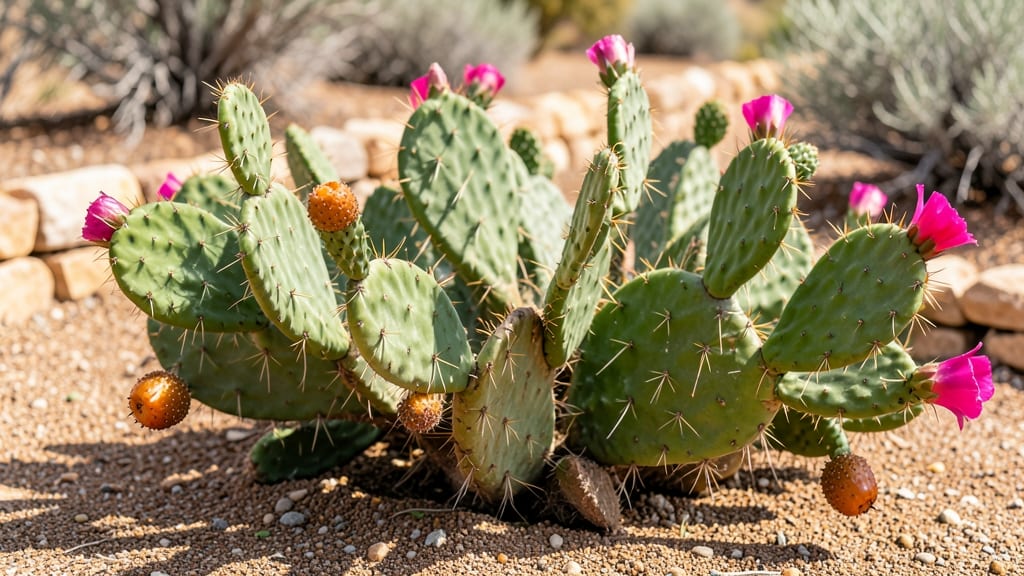
Prickly pear is a fruit because it develops from the flower’s ovary and contains seeds, even though its thick, fleshy texture and cactus origins make it taste and feel more like a vegetable in cooking.
Botanists classify prickly pear as a fruit because it forms from the ovary of a flowering cactus and contains multiple seeds inside its pulp. 🌱 The confusion comes from its dense, meaty structure—similar to eggplant or tomato—which makes it behave like a vegetable in recipes.
Unlike many fruits, prickly pear's skin is inedible and covered in protective spines, requiring careful preparation before eating.
In Mexican cuisine, for example, the fruit is often used in sweet dishes like jams or candied slices, while its pads (nopales) function as a vegetable in savory tacos. The nutritional profile also bridges both categories: it's packed with antioxidants and fiber, but lacks the sugar content of tropical fruits.
💡 In This Article
- Botanical Classification: Why Prickly Pear Qualifies as a Fruit
- Culinary Uses of Prickly Pear: Fruit or Vegetable in Cooking?
Botanical classification: why prickly pear qualifies as a fruit
Botanically speaking, a fruit is defined as a mature ovary that develops from a flowering plant and contains seeds. Prickly pear fits this definition perfectly: its fleshy pulp forms from the ovary of the Opuntia cactus flower and encases hundreds of tiny, black seeds.
These seeds are embedded throughout the translucent, jelly-like interior, just like in other botanical fruits such as tomatoes or avocados—both of which also develop from flowers and contain seeds despite being used as vegetables in cooking.
The confusion arises because prickly pear's texture is more akin to dense vegetables. Its thick, gelatinous flesh has a firmness comparable to 1.5-2 times that of a ripe pear, with a water content of about 85%—similar to cucumbers but with a slightly grainier texture due to the embedded seeds.
However, this texture doesn't change its botanical classification. Even dragon fruit, another cactus fruit, has a similar soft-yet-firm texture but is universally recognized as a fruit because of its seed-containing structure and floral origin.
What sets prickly pear apart is its reproductive strategy. The cactus flower blooms briefly (often just 24-48 hours) and is pollinated by insects like bees or hummingbirds.
After fertilization, the ovary swells into the familiar oval fruit we recognize, complete with protective spines that deter animals from eating it whole.
This adaptation ensures seeds are spread through digestion after the fruit eventually rots—classic fruit behavior that distinguishes it from vegetables, which typically develop from plant leaves, stems, or roots.
Another key detail is the fruit's chemical composition. Prickly pear contains high levels of betalains (natural pigments that give it its vibrant color) and pectin, a soluble fiber found in most fruits. These compounds contribute to its jelly-like consistency and sweet-tart flavor profile.
While vegetables like eggplants also contain pectin, they lack the seed-bearing structure that defines prickly pear as a fruit. The presence of these seeds is the definitive botanical marker, regardless of how the fruit is used in the kitchen.
To put it simply: if you cut open a prickly pear, you'll find seeds—just like in an apple or peach. That's the botanical litmus test for fruit classification, and prickly pear passes with flying colors.
The fact that it grows on a cactus just adds to its fascinating story of adaptation in arid environments!