
Fertilization
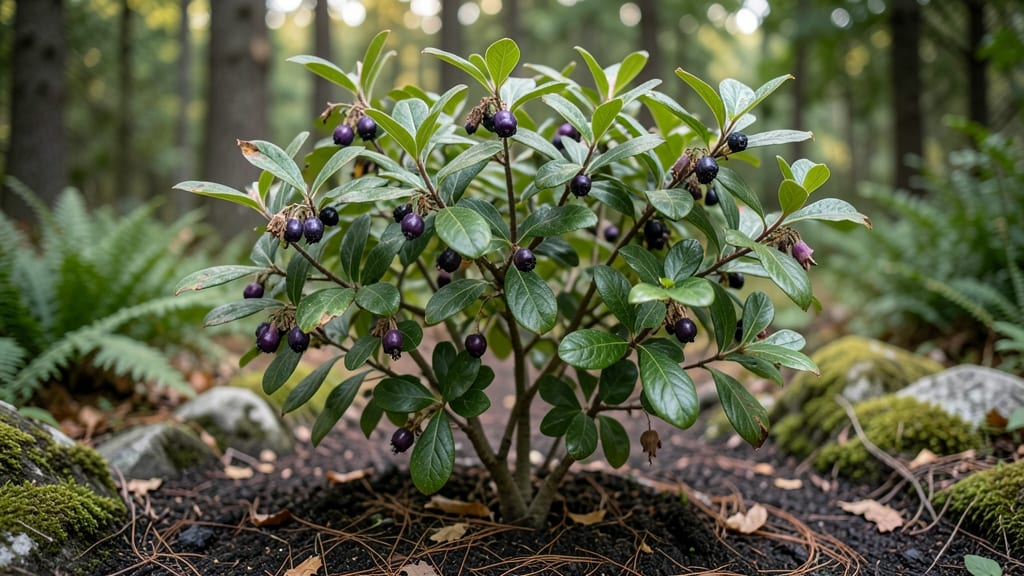
Huckleberry isn't classified as a true fruit botanically—it's actually a berry-like drupe that grows on evergreen shrubs in the Vaccinium family. While its sweet-tart taste and juicy texture mimic classic fruits like strawberries, its single hard seed and shrub-based growth set it apart from true botanical fruits.
Huckleberries belong to the same botanical family as blueberries and cranberries, but their classification as drupes (not true fruits) comes down to their seed structure. 🌿 The single hard seed inside each berry is what distinguishes them from fruits like strawberries, which develop from a single flower with multiple seeds.
This technical detail might surprise home gardeners who treat them like any other berry in recipes—because in the kitchen, they behave just like fruits!
What makes huckleberries especially interesting is how their flavor bridges the gap between tart and sweet, making them perfect for both fresh eating and baking. Many chefs prefer them in pies or jams because their unique profile adds depth that other berries can't match.
The key difference in cultivation? Huckleberry shrubs need specific soil conditions and patience—they take years to bear fruit compared to faster-growing berry bushes.
💡 In This Article
- Botanical Classification: Why Huckleberries Aren’t True Fruits
- Growing and Harvesting Huckleberries for Culinary Use
Botanical classification: why huckleberries aren’t true fruits
The confusion around huckleberries stems from their berry-like appearance and sweet-tart flavor, but botanists classify them as drupes—a category that includes peaches and cherries. The defining feature? Each huckleberry contains a single hard stone (endocarp) surrounding the seed, unlike true berries that have multiple seeds embedded in fleshy tissue.
This stone is what makes them technically drupes, even though they lack the fibrous center of a peach pit.
Compare this to blueberries (also in the Vaccinium genus): while both grow on shrubs, blueberries have 10 tiny seeds per berry embedded in their pulp, while huckleberries have just one large seed encased in a hard shell. 🌱 This structural difference explains why huckleberries feel denser when bitten into—their flesh surrounds that central stone, creating a distinct mouthfeel.
The stone itself is 1-2 millimeters thick, about the size of a pinhead, and remains intact even when the berry is fully ripe.
This classification matters in cooking because drupes like huckleberries don't soften uniformly when cooked. The stone stays firm, which is why recipes often call for straining huckleberry jams or purees to remove it. In contrast, true berries like raspberries break down completely during cooking, releasing all their seeds.
This is why huckleberry pies sometimes have a slightly grainier texture—the stones add subtle resistance that enthusiasts actually appreciate for its rustic quality.
Another key detail is how huckleberries develop: they grow from individual flowers that produce a single ovary, which matures into the drupe. True fruits like strawberries develop from multiple ovaries (the "achenes" on the surface), while huckleberries follow the single-ovary-to-drupe pathway.
This botanical quirk explains why huckleberry shrubs yield fewer berries per stem compared to berry bushes, which can produce clusters of fruit from one flower head.
For gardeners, this classification affects cultivation: huckleberry shrubs need acidic, well-draining soil (pH 4.5-5.5) and full sun (6+ hours daily) to thrive, unlike many fruit trees that tolerate broader conditions.
The shrubs also grow wild in mountainous regions of North America, where their hardiness helps them survive harsh winters—another adaptation tied to their drupe structure, which protects the seed during dormancy.
So while huckleberries taste and cook like fruits, their botanical identity as drupes reveals why they behave differently in recipes. The stone's presence isn't just a technicality—it's what gives them their unique texture and growing requirements, making them a fascinating hybrid between berries and stone fruits. 💫