
Pests
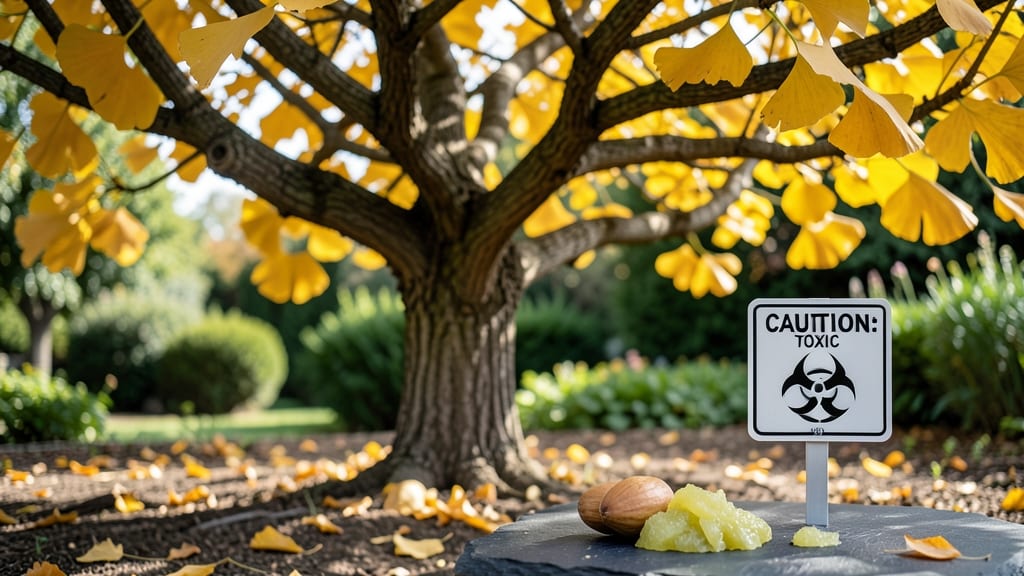
Ginkgo fruit is poisonous to humans and pets due to high levels of ginkgolic acids and ginkgotoxin, causing nausea, dizziness, and allergic reactions. Only the seeds and flesh are toxic—never consume raw or underripe fruit.
Ginkgo fruit contains dangerous compounds that can trigger severe reactions even in small amounts.
The ginkgolic acids in the flesh and seeds act as skin irritants and digestive disruptors, while ginkgotoxin targets the nervous system, potentially causing seizures or respiratory distress. 🌿 What's alarming is that symptoms like vomiting or skin rashes may appear within hours of exposure, making this a serious health risk for curious pets or children.
Even the tree's leaves contain mild toxins, so proper handling is essential when working with ginkgo plants.
Interestingly, the ginkgo tree itself has been cultivated for centuries in traditional medicine—specifically, the leaves are dried and used for their antioxidant properties. However, the fruit's toxicity is well-documented, with historical cases of poisoning reported in regions where ginkgo trees grow wild.
This dual nature makes it crucial to distinguish between the safe parts (like processed leaves) and the hazardous fruit.
💡 In This Article
- Toxic Compounds in Ginkgo Fruit and Their Effects
- Safe Handling of Ginkgo Trees and Fruit in Gardens
Toxic compounds in ginkgo fruit and their effects
The ginkgo fruit's toxicity stems from two primary compounds: ginkgolic acids and ginkgotoxin (4'-O-methylpyridoxine). Ginkgolic acids, found in both the flesh and seeds, act as potent skin irritants and digestive disruptors.
These compounds belong to the family of alkylphenols, which trigger allergic reactions by binding to proteins in the skin and gastrointestinal tract. Even trace amounts—just 0.002% of body weight—can provoke symptoms like vomiting or diarrhea in humans. 🔥
Ginkgotoxin, meanwhile, targets the nervous system by interfering with vitamin B6 metabolism. This toxin mimics pyridoxine (vitamin B6) but blocks its absorption, leading to neurological symptoms such as seizures or respiratory distress in severe cases.
Studies show that consuming even a single seed can produce 1-2 mg of ginkgotoxin, enough to cause acute poisoning in children or small pets. The compound's mechanism involves inhibiting enzymes critical for neurotransmitter synthesis, creating a cascade of neurological dysfunction.
Symptoms of ginkgo fruit poisoning vary based on exposure levels. Acute reactions—occurring within 1-6 hours—include nausea, dizziness, and skin rashes, while chronic exposure may lead to more severe neurological effects.
For example, a 2015 case study documented a dog that ingested three ginkgo fruits and exhibited tremors, vomiting, and lethargy within 3 hours.
The key difference between acute and chronic toxicity lies in the body's ability to metabolize the compounds: single large doses overwhelm detoxification pathways, while repeated small exposures accumulate in tissues.
What makes ginkgo fruit particularly dangerous is its deceptive appearance. The outer fleshy layer resembles a small plum or apricot, often attracting children and pets. The seeds, encased in a hard shell, can be mistaken for nuts or left behind after the flesh is discarded.
Even the tree's leaves contain mild toxins, though in much lower concentrations (0.05% ginkgolic acids), making them safe only when processed into supplements. This contrast highlights why proper identification and handling are critical when working with ginkgo trees.
The body processes these toxins through liver metabolism, but the enzymes involved—particularly cytochrome P450—can become overwhelmed with high doses. This is why medical intervention is often required for severe cases, as forced diuresis or activated charcoal may be necessary to prevent systemic absorption.
Understanding these biochemical pathways helps explain why even small amounts of ginkgo fruit can have disproportionate effects compared to other plant toxins.
Interestingly, the same compounds that make ginkgo fruit toxic have been studied for their potential medicinal properties in controlled doses. Ginkgolic acids, for instance, exhibit antimicrobial and anti-inflammatory effects in laboratory settings, but these benefits come with significant risks when ingested improperly.
This duality underscores the importance of distinguishing between safe and hazardous parts of the ginkgo tree—particularly when considering traditional uses versus accidental exposure.