
Plants
Want to expand your garden with fruits that mimic plums' striking appearance? These 10 easy-to-grow lookalikes offer similar shapes, textures, and visual appeal while bringing unique flavors and growing benefits to your outdoor space.
Japanese Plum (Ume) Fruits
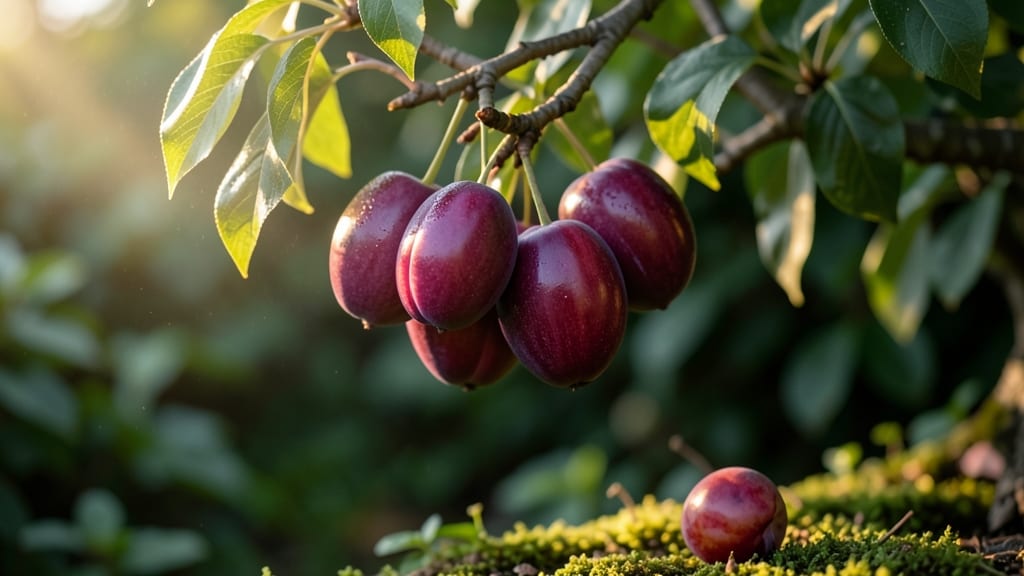
Looking for a fruit that combines striking visuals with bold flavor? The Japanese plum (Ume) delivers glossy purple-red fruits that resemble plums but pack a tart, aromatic punch—perfect for both ornamental gardens and culinary adventures. Unlike traditional plums, these small fruits are prized for their intense fragrance and unique texture.
Native to Asia but adaptable to USDA zones 7-9, Japanese plums thrive in full sun to partial shade and well-drained soil. Their ornamental value shines year-round: fragrant spring blooms, glossy foliage, and vibrant fruit that persists into winter. Prune in late winter to encourage air circulation and reduce disease risk.
Gardeners in temperate climates will love how ume fruits double as edible landscaping—ripe in fall, they’re used in jams, pickles, and traditional Japanese umeboshi. Ideal for small yards or urban gardens, this versatile tree offers both beauty and bounty. 🌟
Cherry Plums (Prunus cerasifera)
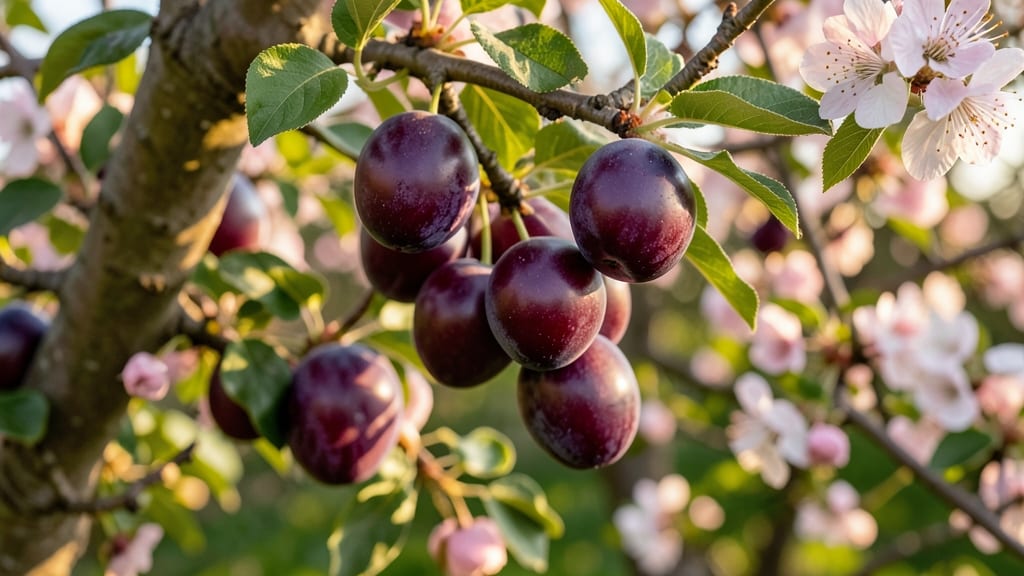
If you love the look of plums but want something sweeter and easier to grow, cherry plums (Prunus cerasifera) are your perfect match. These hybrid fruits blend the best of cherries and plums—delicious, juicy flesh with a familiar shape—while offering stunning early spring blooms that turn heads before the fruit even ripens.
Cherry plums thrive in small gardens thanks to their compact size, often reaching just 10-15 feet tall. They’re also disease-resistant, making them low-maintenance compared to traditional plums. Plant them in full sun with well-drained soil, and you’ll enjoy year-round interest: fragrant pink blossoms in spring, glossy foliage in summer, and vibrant red-orange fruit in late summer to fall.
Urban gardeners and first-time fruit growers will appreciate how forgiving these trees are. With minimal pruning and care, you’ll harvest sweet, versatile fruit perfect for fresh eating or jams—all while adding beauty to your landscape. 🌻
Damson Plums
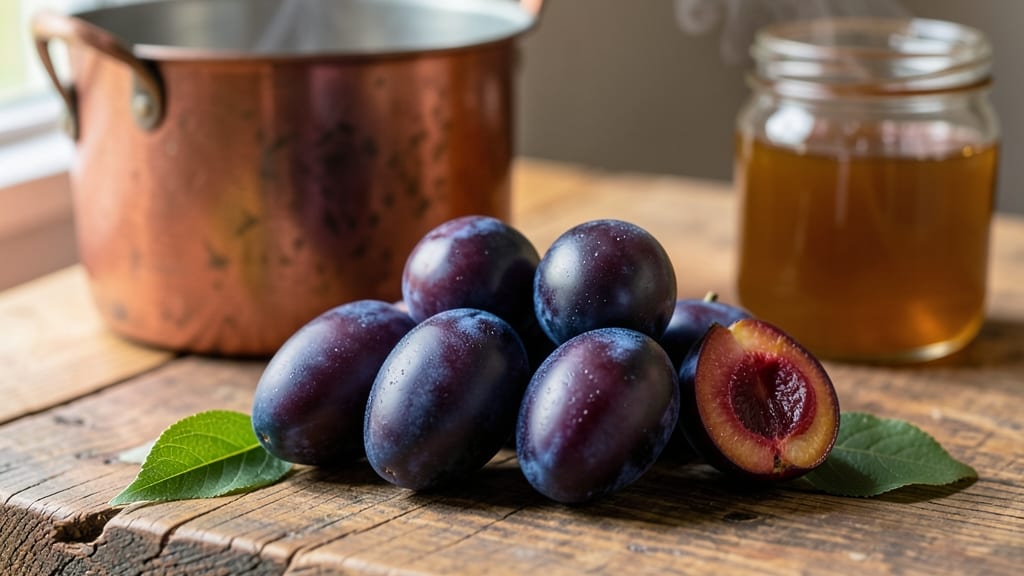
If you love the idea of growing plums but want something with a bold, deep purple hue and a flavor that shines in preserves, Damson plums are your answer. This European heirloom variety delivers an intense, tangy-sweet taste that’s perfect for jams, jellies, and fermented drinks, but it needs a little help to produce fruit.
To grow Damson plums, plant at least two trees for cross-pollination (they’re not self-fertile) in full sun with well-drained soil. These trees thrive in temperate climates and produce fruit in late summer to early fall. Prune annually to maintain shape and improve airflow, which helps prevent fungal diseases like silver leaf—a common issue for this variety.
Home canners and small-scale fruit processors will especially appreciate this variety, as its thick skin and concentrated flavor make it ideal for long-term storage. Just be patient—it can take 3-5 years for a young tree to bear fruit. 🌟
Nectarines with Plum-Like Shapes
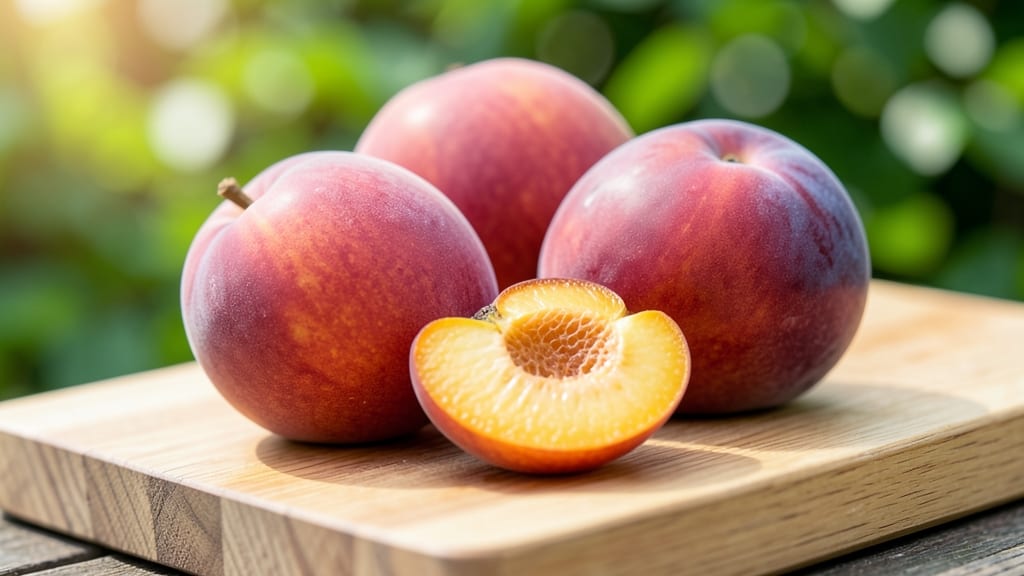
If you love the look of plums but want something sweeter and easier to enjoy fresh, nectarines with plum-like shapes might be your perfect match. These hybrids blend the best of both worlds—oval forms like plums with the juicy, sweet flavor of nectarines, all while skipping the tartness that makes some plums an acquired taste.
Look for varieties like 'Redhaven' or 'Fantasia,' which naturally develop a more plum-shaped silhouette than traditional nectarines. They thrive in full sun (6-8 hours daily) and well-draining soil, making them ideal for home orchards or even large containers. Their smooth skin resists cracking better than peaches, and they ripen just in time for summer snacking—ready to pick in 100-140 days depending on the variety.
These fruits are a game-changer for gardeners who want low-maintenance, high-reward stone fruits without the fuss of cross-pollination. Perfect for families or anyone who prefers dessert-like fruit over tart preserves! 🌟
Peaches with Plum-Like Skin
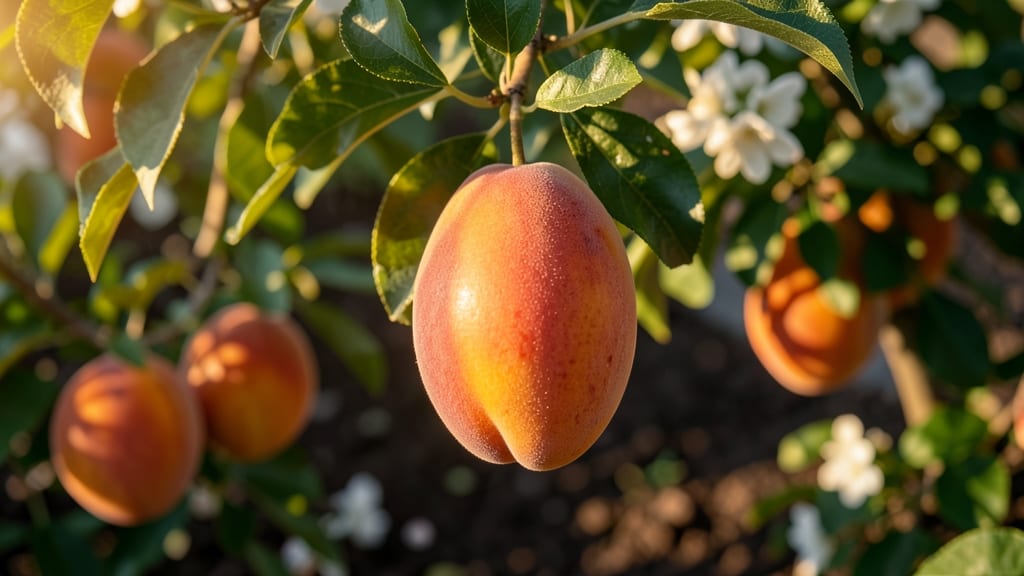
Ever spotted a peach with a plum-like shape in your garden? Some heirloom peach varieties—like 'Redhaven' or 'Elberta'—occasionally produce fruit with a more oval, plum-like form, adding visual interest to your harvest. These unique peaches are just as delicious as their rounder cousins but with a twist in shape that makes them stand out.
These varieties thrive in full sun (6-8 hours daily) and well-draining soil, making them ideal for home orchards. They’re also self-pollinating, so you won’t need a second tree for fruit production. The plum-shaped peaches ripen in late summer, perfect for fresh eating, canning, or preserving—with minimal effort compared to traditional plums.
Gardeners who love variety and low-maintenance fruit trees will appreciate how these peaches blend into plum-themed dishes while offering the familiar sweetness of peaches. 🌟
Apricots with Plum-Like Texture
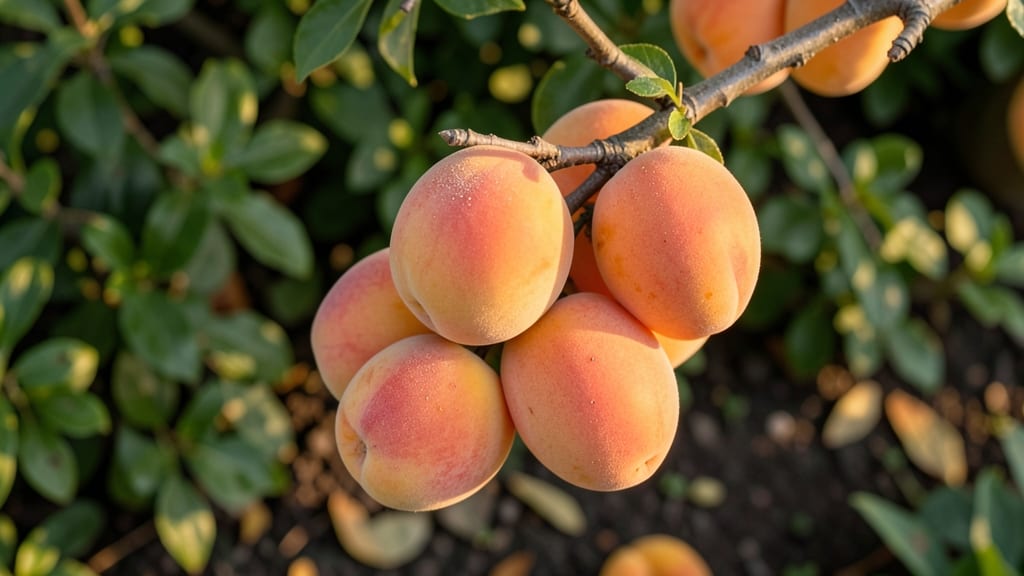
If you love the look of plums but want something with a sweeter, firmer bite, 'Blush' apricots are your perfect match. These dwarf varieties produce fruit with a texture almost identical to plums—smooth, slightly oval, and just firm enough to hold their shape when picked.
Unlike traditional apricots that need full sun and large spaces, 'Blush' apricots thrive in containers with just 6 hours of sun daily, making them ideal for patios or small balconies. Their high vitamin A content (even higher than plums) adds a nutritional bonus, while their compact size means you can grow multiple trees without sacrificing yard space.
Urban gardeners and beginners will appreciate how low-maintenance these are—just ensure well-draining soil and consistent watering. Snag a few for a unique twist on plum-like fruit that’s both pretty and productive. 🌻
Pluot (Plum + Apricot Hybrid)
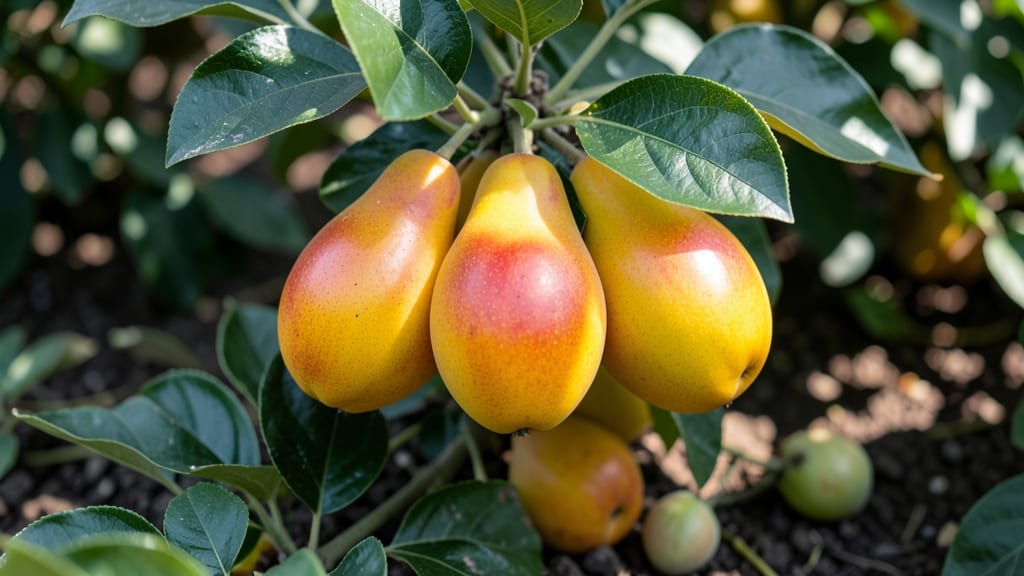
If you love plums but wish for something sweeter with less fuss, pluots are your perfect match. This unique hybrid combines the best of both worlds—plum’s classic shape and apricot’s natural sweetness—while boasting impressive disease resistance and minimal care requirements.
Pluots thrive in USDA zones 5-9 and need only 5-6 hours of sun daily, making them ideal for small gardens or containers. Their self-fertile nature means you won’t need a second tree for pollination, and they produce fruit reliably with minimal pruning. The flavor leans toward apricot’s honeyed sweetness, perfect for fresh eating or light baking.
This low-maintenance fruit is especially great for urban gardeners or beginners who want a productive tree without the hassle. With their striking purple-red skin and easy-growing nature, pluots add beauty and flavor to any garden. 🌟
Satsuma Plums (Citrus Plums)
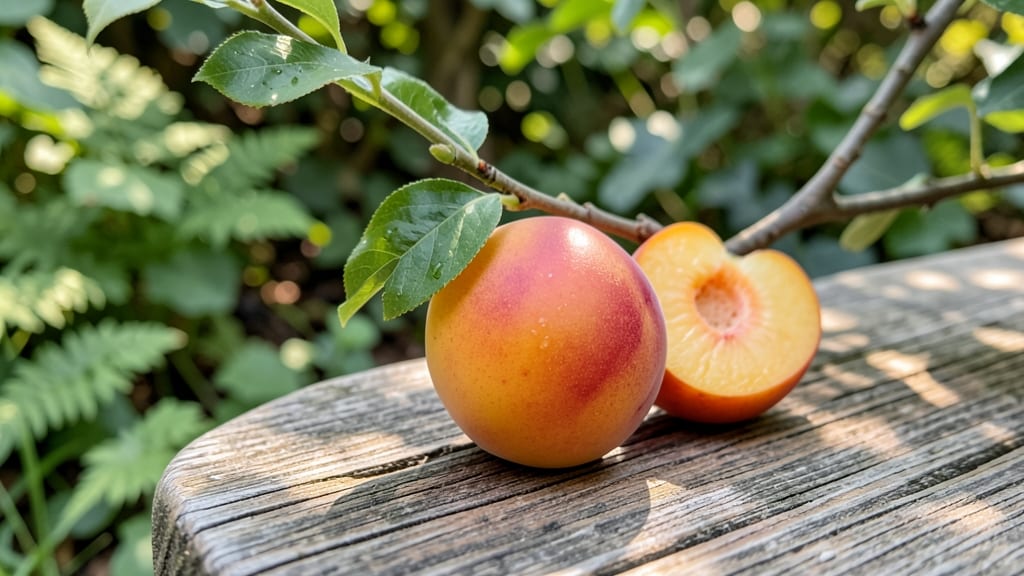
If you love plums but struggle with thick skins or seed pits, Satsuma plums might be your perfect match. These citrus plums offer a unique combination of plum-like appearance with easy-to-peel skin and no seeds, making them ideal for fresh eating straight from the tree.
Unlike traditional plums, Satsuma plums are cold-hardy (tolerating temperatures down to 15°F) and thrive in USDA zones 7-9, making them perfect for urban gardens or small spaces. They grow well in containers and require minimal pruning, with a compact tree reaching just 8-12 feet tall. The fruit ripens in late fall, offering a sweet, tangy flavor that’s less acidic than many plums.
Urban gardeners and beginners will appreciate how low-maintenance these trees are—just provide full sun (6+ hours daily) and well-draining soil. Their thin, smooth skin resembles plums but peels away effortlessly, revealing juicy, seedless flesh perfect for snacking or salads. 🌱
Black Plums (Prunus nigra)
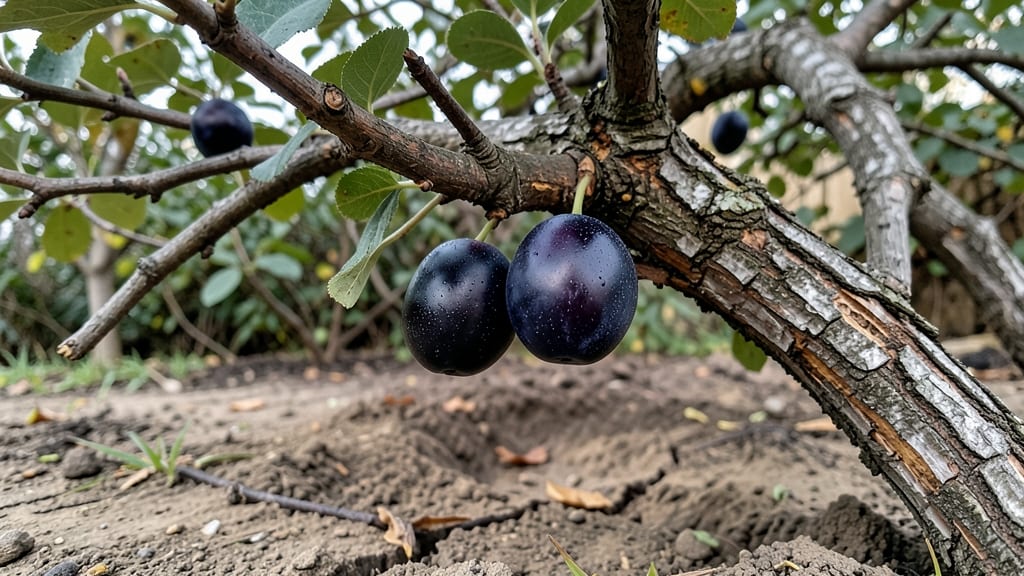
Looking for a plum lookalike that thrives where others fail? Meet the black plum (Prunus nigra), a hardy Native American variety with deep purple-black skin that stands out in any garden. Unlike fussy plums, this one handles poor soil and even tolerates drought once established—ideal for neglected corners or wild-edible gardens.
With a tart-sweet flavor perfect for jellies, wines, or fresh eating, black plums ripen in late summer. Plant in full sun to partial shade and space trees 15-20 feet apart for proper airflow. The disease-resistant nature makes it a low-maintenance choice, and its striking fruit adds visual drama to autumn landscapes.
This is the perfect plum alternative for homesteaders, permaculture gardens, or anyone seeking a native, resilient fruit tree that rewards patience with bold flavors. 🌟
Fig Varieties with Plum-Like Forms

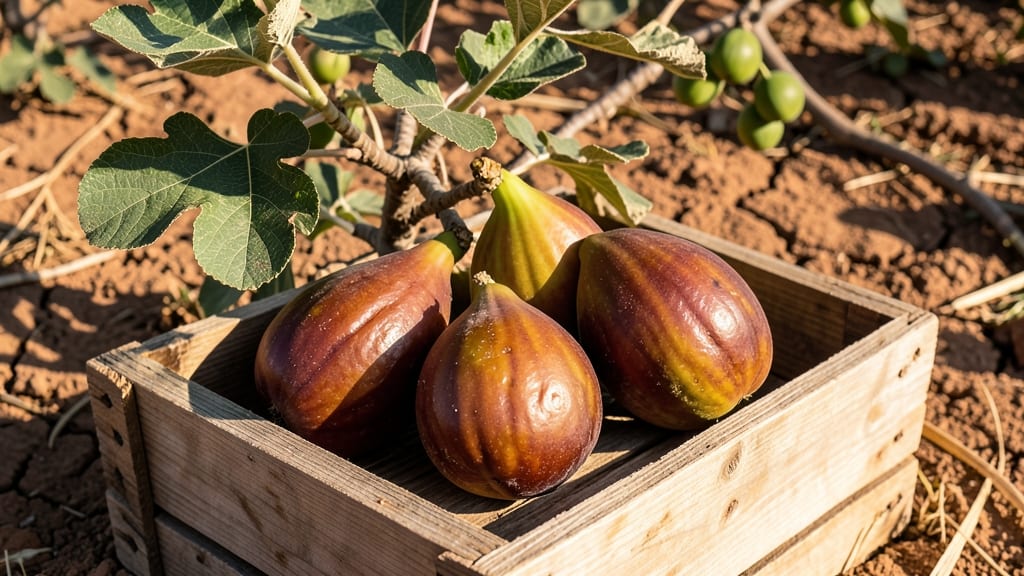
If you love plums but crave a fruit that thrives in dry, hot climates, heirloom figs like 'Brown Turkey' might surprise you. Their fruit sometimes takes on a plum-like oval shape, complete with a rich, honeyed sweetness that rivals traditional stone fruits.
Figs like 'Brown Turkey' are drought-tolerant and perfect for Mediterranean climates, where they flourish in full sun (6+ hours daily) and well-draining soil. They’re self-fertile, meaning you won’t need a second plant for pollination, and their fast-growing habit makes them ideal for containers or small gardens. Harvest when the fruit softens slightly—it’s ready to eat fresh or dried.
This variety is a game-changer for gardeners in USDA Zones 7-10, offering year-round interest with their distinctive leaves and striking fruit. Perfect for those who want a low-maintenance, visually striking addition that delivers unique flavors. 🌱