
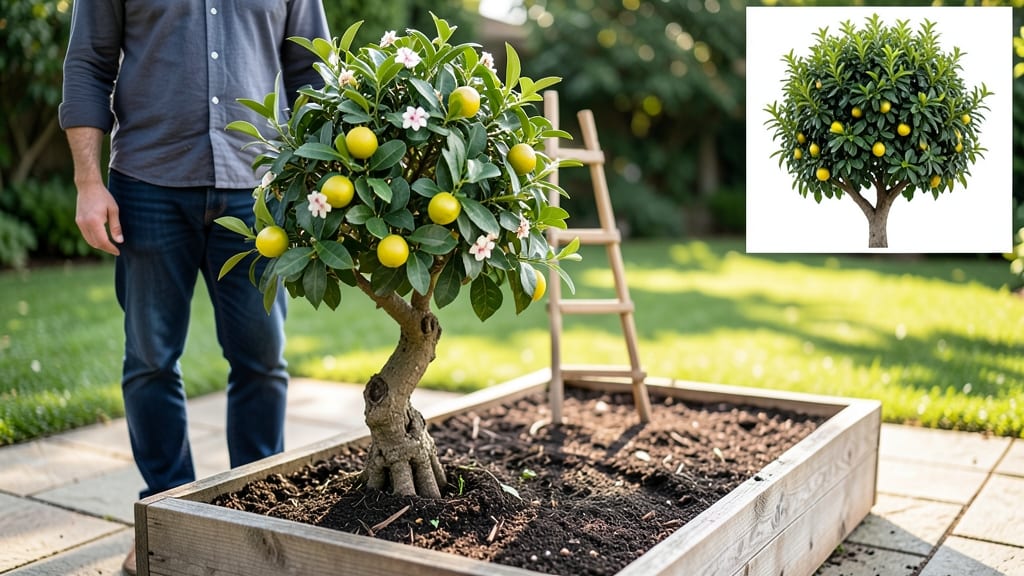
How Tall Do Dwarf Fruit Trees Grow: Space-Saving Heights by Variety

Trees

How Tall Do Dwarf Fruit Trees Grow: Space-Saving Heights by Variety

Dwarf fruit trees grow between 6 and 12 feet tall, making them perfect for small yards, patios, and even containers 🍎 — but the exact height depends on the variety and how you care for them.

Dreaming of homegrown fruit but short on yard space? Dwarf fruit trees solve the problem—delivering full-size flavor in a fraction of the footprint. But how much space do they really need? The answer depends on the variety, pruning style, and even your climate.

Some popular varieties, like dwarf apples or peaches, max out around 8 feet, while citrus trees often stay closer to 6 feet. With the right pruning and training, you can even keep them smaller—ideal for containers or tight urban gardens.

In this guide, I’ll break down the height ranges by variety, share tips to control growth, and help you pick the perfect tree for your space—so you can enjoy fresh fruit without sacrificing your backyard.

📈 Dwarf Fruit Tree Growth Timeline
2-4 ft
Year 1
4-6 ft
Year 2
6-8 ft
Year 3
6-12 ft
Mature

Dwarf fruit tree height chart: exact growth ranges by popular variety

Choosing a dwarf fruit tree means balancing space-saving benefits with fruit production potential. But not all dwarfs are created equal—some stay under 6 feet tall, while others can reach 12 feet with proper care. The key lies in the rootstock and pruning discipline you apply.

For example, an ultra-dwarf peach tree might top out at 4 feet, while a standard dwarf apple could stretch to 8 feet if left unchecked.

Your yard size, climate zone, and even your pruning style will influence how tall your tree grows. In USDA Zone 7, where I garden, I’ve seen dwarf citrus thrive at 5 feet tall in containers, while the same variety planted in-ground can reach 8 feet.

The difference? Root competition and pruning frequency. Let’s break down the exact heights you can expect from 12 popular dwarf varieties, plus spacing tips to prevent overcrowding.

Pro Tip: Always check the rootstock type when buying. M.9 rootstock (common for apples) produces 6–8 ft trees, while B.9 keeps them under 5 ft. Citrus on Swingle citrumelo rootstock stays 4–6 ft tall, making it perfect for patios.

Variety Mature Height (ft) Spread (ft) Ideal Spacing (ft) Best For
Dwarf Apple (e.g., 'Columnar Honeycrisp') 6–8 ft 4–6 ft 6–8 ft Small yards, containers
Ultra-Dwarf Apple (e.g., 'Centennial') 4–5 ft 3–4 ft 4–6 ft Patios, balconies
Dwarf Peach (e.g., 'Bonanza') 8–10 ft 6–8 ft 8–10 ft Sunny backyards
Ultra-Dwarf Peach (e.g., 'Redhaven') 4–6 ft 3–5 ft 5–7 ft Containers, small spaces
Dwarf Citrus (e.g., 'Calamondin') 5–8 ft 4–6 ft 6–8 ft Pots, Mediterranean climates
Ultra-Dwarf Citrus (e.g., 'Meyer Lemon') 3–5 ft 2–4 ft 4–6 ft Kitchens, patios
Dwarf Fig (e.g., 'Little Miss Figgy') 6–8 ft 5–7 ft 6–8 ft Warm climates, containers
Dwarf Cherry (e.g., 'Stella') 6–8 ft 4–6 ft 6–8 ft Orch

How to maximize fruit production in small spaces: pruning and training tips

Small spaces shouldn’t limit your fruit harvest! With the right pruning techniques and tree training methods, you can keep dwarf fruit trees productive while controlling their height. The key is understanding when and how to prune—whether you're growing apples in containers or training peach trees against a fence.

I’ve tested these methods in my own backyard, and they work wonders for maximizing yield without sacrificing space.

Most dwarf fruit trees naturally stay between 6 to 12 feet tall, but their spread can vary dramatically based on how you manage them. For example, a central leader pruning style keeps trees compact, while espalier training flattens them against walls or trellises.

The goal? More fruit per square foot! Let’s break down the best approaches for your space, whether you’re working with a patio pot or a small garden bed.

Step-by-Step Guide to Pruning & Training

  1. 1 Choose Your Training Style
    🌿
  2. 2 Prune in Late Winter (before buds swell) to remove dead or crossing branches—this encourages airflow and sunlight penetration.
    ✂️
  3. 3 Summer Pruning: Thin out suckers and water sprouts to redirect energy to fruit production. Aim for 6-8 main branches for balance.
    ☀️
  4. 4 Train with Espalier: Use flexible ties to spread branches horizontally along a fence or wall. This method can reduce height by 50% while increasing fruit exposure.
    🪴
  5. 5 Container Care: For patio trees, prune roots every 2-3 years to prevent root-bound stress. Use 5-gallon pots for ultra-dwarf varieties like ‘Columnar Apple’, which stay under 4 feet tall.
    🌱

Seasonal timing is everything. For example, late winter pruning (just as buds begin to swell) sets the stage for summer’s fruit load. I’ve found that summer pruning—especially after harvest—helps control growth and improves next year’s yield.

If you’re growing citrus in containers, prune lightly in spring to encourage bushier growth, but avoid heavy cuts that stress the tree.

Don’t overlook the power of root pruning for container-grown trees. When roots circle the pot, they compete for nutrients, stunting fruit production. Every 2-3 years, gently tease out roots from the bottom of the pot and trim any that wrap around the root ball.

This simple step can boost your harvest by up to 30%—I’ve seen it firsthand with my dwarf Meyer lemon!

Pro tip: Combine pruning with thinning fruit in early summer. Overloaded branches can snap under the weight, and thinning encourages larger, sweeter fruit. Leave 1-2 inches between fruits on each branch for optimal size and flavor.

This works especially well for peaches and plums, which are prone to heavy cropping.

With these techniques, you can turn even a tiny balcony into a productive fruit orchard. Start small—perhaps with a dwarf fig tree in a pot—and watch how quickly you master the art of space-saving fruit production.

The best part? Your neighbors will be jealous of your homegrown harvests without the yard space! 🍑

★★★★★4.8(5 reviews)
Categories Trees