
Blooming
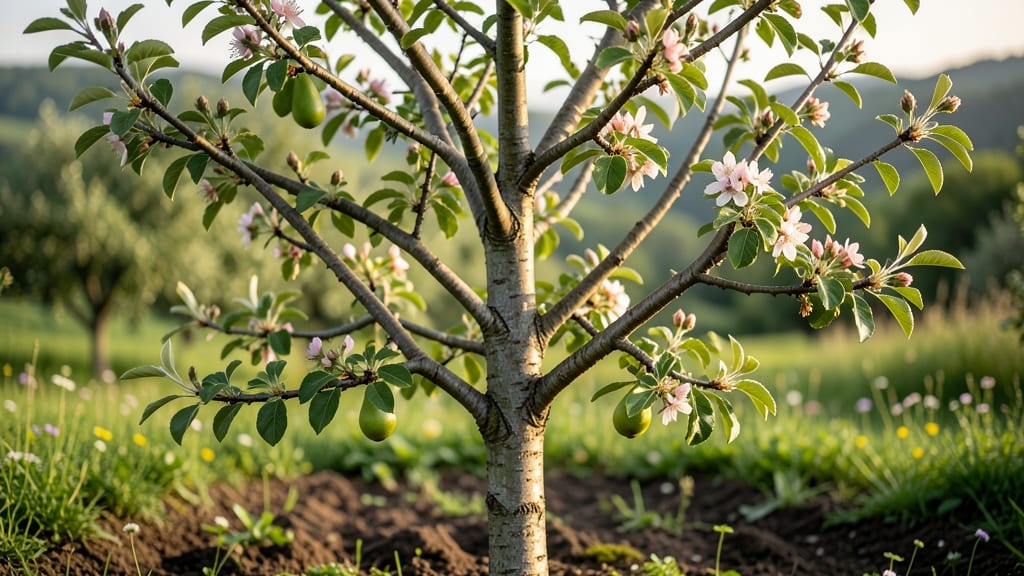
A pear tree 🍐 typically takes 3 to 7 years to bear fruit, though some dwarf varieties may fruit in as little as 2 years with ideal care.
If you’ve ever dreamed of plucking fresh pears straight from your backyard tree, patience is key—but how long exactly should you wait? The answer depends on your climate, pear variety, and care routine, and knowing these factors can mean the difference between years of waiting and early harvests.
Standard varieties often need 5 to 10+ years to mature fully, while dwarf or semi-dwarf trees can start producing fruit sooner. In Zone 6a, where frost dates matter, spring planting in April-May sets the stage for faster fruiting—but only if you follow the right care steps.
Below, I’ll break down the timeline by variety, share pro tips to speed up fruiting, and debunk the myth that pears will fruit immediately after planting.
Pear tree fruit-bearing timeline by climate Zone: when to expect first harvests
Pear trees are patient fruit producers, with their first harvests often taking 3 to 10 years depending on variety, climate, and care.
Cold-hardy varieties like Bartlett or Seckel may fruit earlier in USDA Zones 5-7, while tender varieties like Anjou or Bosc thrive in milder Zones 7-9 but require warmer microclimates. Frost sensitivity plays a critical role—early frosts can delay maturity or reduce fruit quality.
Dwarf varieties (like Hood or Moonglow) are the fastest fruiters, often bearing in 2-4 years, while standard trees can take 5-10+ years. Your USDA zone dictates not just timing but also which varieties will thrive.
For example, Zone 5 gardeners should prioritize cold-resistant pears like Kieffer, while Zone 9 growers can experiment with Asian pears that tolerate heat.
Frost is the biggest wildcard. Late spring frosts can damage blossoms, while early fall frosts may stunt fruit development. In Zone 6, where frosts linger into May, choose late-blooming varieties like Seckel to avoid frost damage.
Meanwhile, Zone 8-9 gardeners can push for earlier harvests with varieties like Orient or Shinseiki, which mature faster in warm climates.
🌱 Comparison Table: Pear Tree Fruit-Bearing Timeline by Climate Zone
| Variety Type | USDA Zones | First Fruit Timeline | Frost Sensitivity | Harvest Window |
|---|---|---|---|---|
| Dwarf (e.g., Hood, Moonglow) | 5-8 | 2-4 years | Moderate (late frost risk) | Late summer |
| Standard (e.g., Bartlett, Bosc) | 6-9 | 5-10 years | High (early/late frost risk) | Fall (Sept-Oct) |
| Cold-Hardy (e.g., Kieffer, Seckel) | 3-6 | 3-6 years | Low (tolerates -25°F) | Early fall |
| Temperate (e.g., Anjou, Orient) | 7-9 | 4-7 years | Moderate (heat stress risk) | Late summer-early fall |
| Asian Pears (e.g., Shinseiki) | 7-10 | 3-5 years | Low (heat-loving) | Summer-fall |
In USDA Zone 5, where winters are harsh, focus on early-maturing varieties like Kieffer or Clapp’s Favorite. These pears can tolerate -25°F temperatures and often fruit within 3-5 years.
Plant them in sheltered locations to reduce frost damage to blossoms. Zone 5 gardeners should also consider late-blooming varieties to avoid spring frosts that can wipe out flower buds.
For Zone 9 gardeners, the challenge shifts to heat stress and drought sensitivity. Varieties like Orient or Shinseiki thrive here, maturing in 3-5 years with consistent afternoon shade during peak summer months.
Mulch heavily to retain moisture, and avoid overwatering, which can lead to root rot in the humid Zone 9 climate.
If you’re in Zone 7, you have the best of both worlds—mild winters and warm summers. This zone supports a wide range of p
How to speed up pear tree fruit production: pruning, pollination, and soil tips
Waiting for your pear tree to bear fruit can feel like an eternity, but with the right strategies, you can encourage earlier yields. The key lies in three critical areas: pruning techniques, pollination support, and soil optimization.
These factors directly influence how quickly your tree shifts from leafy growth to fruit production. Let’s break down how to accelerate this process naturally.
First, pruning isn’t just about shaping your tree—it’s a tool to redirect energy toward fruit-bearing branches. By removing suckers and water sprouts in late winter or early spring, you help the tree focus on developing fruit-bearing wood.
Thin out crowded branches to improve airflow, which reduces disease risk and encourages stronger fruit production. Remember, less is more—aggressive pruning can shock the tree and delay fruiting.
- Year 1-2: Focus on structural pruning—remove dead wood and shape the canopy. No fruit expected yet.
- Year 3-4: Start light thinning of branches to improve light penetration. First fruit may appear in dwarf varieties.
- Year 5+: Shift to fruit-zone pruning—cut back old wood to stimulate new growth where fruit forms.
- Pollination Tip: Plant a second variety if your tree is self-unfruitful (e.g., Bartlett needs Seckel).
- Soil Boost: Add composted manure or a balanced fertilizer (10-10-10) in early spring to fuel growth.
Next, pollination is often the missing link for faster fruiting. Many pear varieties require cross-pollination, meaning you need at least two compatible trees for fruit to set. If your tree is self-unfruitful, like Bartlett or Anjou, consider planting a pollinator variety within 50 feet.
Hand-pollination with a soft brush can also help in areas with low bee activity. Even a single pollinator tree can triple your yield in just one season.
Don’t overlook the power of soil health. Pears thrive in well-draining, slightly acidic soil with a pH of 6.0–7.0.
Conduct a soil test to check nutrient levels—phosphorus (P) and potassium (K) are critical for fruit development, while nitrogen (N) should be balanced to avoid leafy growth at the expense of fruit.
Amend your soil with compost or aged manure in early spring, and consider a slow-release fertilizer like 10-10-10 to keep nutrients available throughout the growing season.
Finally, watering consistency plays a surprising role in speeding up fruiting. Deep, weekly watering (1–2 inches per week) encourages root growth, which in turn supports the tree’s ability to produce fruit.
Avoid overhead watering late in the day to prevent fungal diseases like fire blight, which can weaken the tree and delay fruiting. Mulch around the base with organic matter to retain moisture and regulate soil temperature—this simple step can make a huge difference in early yields.
With these strategies, you can shave 1–2 years off the typical fruiting timeline. While standard pear trees may take 5–10 years to bear fruit, dwarf varieties can produce their first harvest in as little as 3–4 years with proper care.
The key is patience combined with proactive pruning, pollination, and soil management—your efforts will pay off with a bountiful harvest sooner than you think! 🍐✂️🌱