
How To
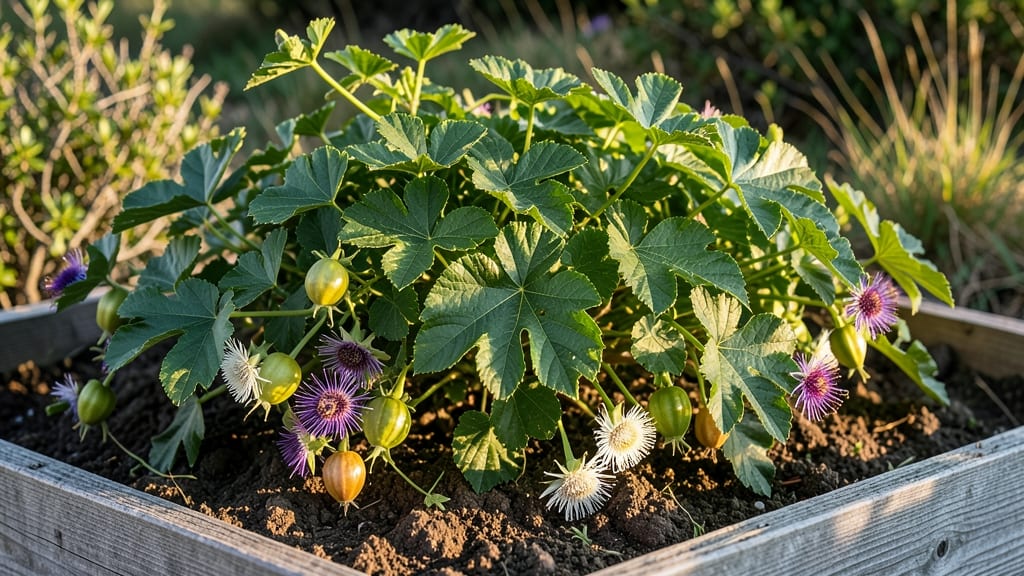
Passionfruit take how long to ripen in 3 to 4 months after flowering, turning from green to vibrant yellow, purple, or orange 🍈—a transformation that’s as exciting as it is unpredictable if you don’t know the tricks.
If you’ve ever grown impatient waiting for passionfruit to ripen, you’re not alone—but knowing the exact timeline can transform your harvest from a gamble into a rewarding success.
From tropical Purple varieties to sweet Yellow types, each passionfruit follows a predictable schedule once pollinated, though factors like sunlight, temperature, and even pruning can speed up or slow down the process.
Below, I’ll break down the month-by-month stages, the 5 key factors that influence ripening, and how to spot the perfect moment to harvest—so you can go from curious gardener to confident passionfruit pro.


Passionfruit ripening timeline: month-by-month growth stages
Understanding the passionfruit ripening timeline is the key to patience—and a bountiful harvest. Most varieties take 3 to 4 months from pollination to ripe fruit, but this can vary based on climate, variety, and care.
For example, Purple passionfruit typically ripens in 120–150 days, while Yellow passionfruit may take 100–130 days. Tracking these stages helps you anticipate when to expect fruit and troubleshoot delays.
Your journey begins with flowering, usually 6–8 weeks after planting. Passionfruit vines produce stunning, fragrant blooms that open in the morning and wilt by afternoon. Successful pollination (often by bees or hummingbirds) is critical—without it, you’ll see blooms but no fruit set.
If you’re in a low-pollinator area, hand-pollinate with a small brush to ensure fruit development.
Once pollinated, the fruit enters the fruit set stage, where tiny green fruits appear.
This phase lasts 4–6 weeks, during which the fruit grows rapidly but remains hard and unripe. Granadilla passionfruit, a tropical variety, may take slightly longer here due to slower metabolic rates in cooler climates. Prune competing fruits to ensure the remaining ones receive enough nutrients for optimal growth.
| Stage | Duration | Key Milestones | Variety Notes |
|---|---|---|---|
| Pollination | 6–8 weeks after planting | Blooms open; fruit set begins | All varieties |
| Fruit Set | 4–6 weeks | Fruit grows from tiny to golf-ball size | Granadilla: slower growth |
| Size Development | 6–8 weeks | Fruit softens; color begins to change | Yellow: faster color change |
| Color Change | 3–4 weeks | Fruit turns fully purple/yellow; wrinkles form | Purple: deeper hue |
| Harvest Ready | 1–2 weeks | Fruit detaches easily; stem dries | All varieties |
At 6–8 weeks post-pollination, your passionfruit will enter the size development phase, where they grow from a golf ball to a tennis ball.
This is when you’ll notice the fruit softening slightly and beginning to change color. Yellow passionfruit often show color shifts earlier than Purple varieties, which may take an extra 1–2 weeks to develop their signature deep hue.
During this stage, ensure your vines receive consistent watering and balanced fertilization to avoid stunted growth.
By week 10–12, your passionfruit should enter the color change phase, the most exciting stage for gardeners. The fruit will shift from green to its mature color—vibrant purple for Purple passionfruit or golden yellow for Yellow varieties.
The skin may also develop slight wrinkles, and the fruit will feel slightly softer when gently squeezed. This phase can be accelerated with full sun exposure and warm temperatures (75–85°F), so monitor your vines closely during cooler spells.
In the final 1–2 weeks before harvest, your passionfruit will reach maturity.
You’ll know they’re ready when the fruit detaches easily with a twist, the stem end turns brown, and the skin feels slightly wrinkled. Granadilla passionfruit may take longer to reach this stage, especially in cooler climates, so don’t rush the process.
Harvesting too early results in underripe, seedy fruit, while waiting too long can lead to overripe, mushy texture.
If your passionfruit aren’t ripening on schedule, check for common delays like insufficient sunlight, nutrient deficiencies, or poor pollination. For example, Yellow passionfruit grown in partial shade may take up to 20% longer to ripen.
Adjust your care routine by moving vines to sunnier spots, applying a phosphorus-rich fertilizer, or hand-pollinating blooms to speed up the process.
Once you master the passionfruit ripening timeline, you’ll enjoy a reliable harvest year after year. Start by planting in spring for summer fruit, or extend your growing season in USDA zones 10–12 by providing winter protection.
With patience and the right care, your passionfruit vines will reward you with sweet, aromatic fruit that’s worth the wait.
🍈
5 Factors that speed up or delay passionfruit ripening (and how to control them)
Passionfruit ripening isn’t just about time—it’s a delicate balance of environmental conditions and care practices that either accelerate or stall your harvest.
While most varieties take 120–180 days from flowering to ripe fruit, small shifts in sunlight, temperature, watering, pruning, and soil nutrients can turn that timeline into weeks faster or slower. Understanding these five key factors lets you take control and enjoy a bountiful harvest sooner.
For example, Purple passionfruit (the most common variety) typically ripens in 140–160 days, while Yellow passionfruit may take 120–140 days—but only if all conditions are ideal. Even a 10°F temperature drop or inconsistent watering can delay ripening by 2–4 weeks.
The good news? With the right adjustments, you can speed up ripening by 30–50% and avoid the frustration of waiting too long for sweet, fragrant fruit.
Passionfruit needs 6–8+ hours of direct sunlight daily for optimal ripening. Insufficient light delays fruit development by 3–6 weeks, while full sun exposure speeds up ripening by 20–30%. Use south-facing trellises to maximize sunlight.
Ideal temperatures are 70–85°F (21–29°C). Below 60°F (15°C), ripening slows dramatically—sometimes halting entirely. Use row covers in cooler climates or mulch to retain heat. Avoid extreme heat (>90°F/32°C), which can cause fruit to overripen or drop prematurely.
Deep, consistent watering (1–2 inches per week) is critical. Underwatering causes fruit to shrink and harden, delaying ripening by 2–3 weeks, while overwatering leads to rot and poor flavor. Water early morning to reduce fungal risks and improve nutrient absorption.
Prune old or overcrowded vines to redirect energy to fruit-bearing branches. Heavy pruning in early spring can speed up ripening by 10–20% by reducing competition for nutrients. Avoid pruning during flowering or fruiting stages, as this stresses the plant and delays harvest.
Balanced fertilization (10-10-10 NPK) every 4–6 weeks during growing season boosts ripening speed. Low phosphorus (P) delays flowering, while excess nitrogen (N) promotes leafy growth over fruit. Test soil pH (6.0–7.0) and amend with compost or bone meal for faster, healthier fruit development.
Let’s say you’re growing Purple passionfruit in a partially shaded area—you might see ripening delayed by 4–6 weeks compared to a full-sun vine.
But by relocating your trellis to a sunnier spot and adding a 5-10-10 fertilizer (higher in phosphorus), you can cut that time in half and enjoy fruit 30–40 days earlier. Small tweaks like these make all the difference between a frustrating wait and a rewarding harvest.
Another pro tip: Hand-pollinate flowers in the morning using a small brush to transfer pollen from male to female flowers. This ensures faster fruit set and consistent ripening, especially in low-pollinator environments. Combine this with drip irrigation for precise watering, and you’ll see noticeable improvements in your passionfruit’s timeline.
If your passionfruit vines are dropping flowers or fruit prematurely, it’s often a sign of nutrient deficiency or stress from uneven watering. In this case, reduce pruning, increase potassium-rich fertilizer, and mulch heavily to retain moisture.
These adjustments can prevent delays and keep your vines productive for years to come.