
Size
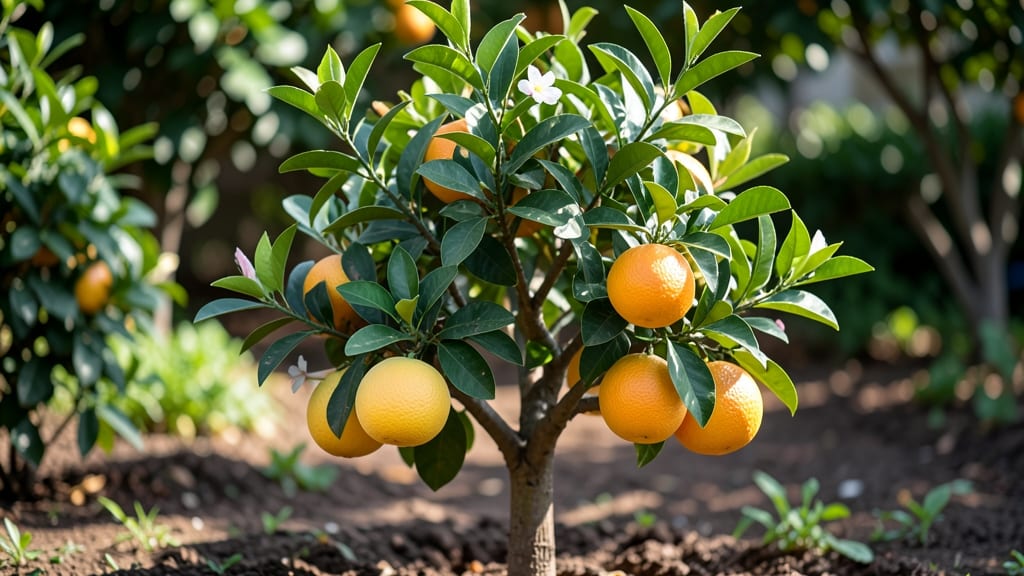
Grapefruits grow from tiny seeds into towering trees that reward patience with tart-sweet fruit—if you give them the right conditions. 🌱 I’ve watched my own seedling stretch from a 6-inch sprout to a 10-foot citrus giant, and the key to success starts with understanding how their natural habits translate to your backyard.
The secret isn’t complicated: grapefruit trees thrive in warm climates where winters stay above 25°F, and they demand full sun (at least 6-8 hours daily). Most home gardeners fail because they mimic lemon trees—too much shade, inconsistent watering, or poor drainage.
My first tree nearly died from overwatering until I learned to let the soil dry between drinks. By year three, you’ll see blossoms, and with proper care, first fruits in 5-7 years—though store-bought saplings speed that up to 2-3 years.
The real magic happens when you balance fertilizer (citrus-specific, not generic), prune for airflow, and protect against pests like aphids without chemicals. Whether you’re planting in a 15-gallon pot or digging a hole, the same rules apply—just adjust for container limitations. Let’s get that tree growing!
📚 In This Guide
- What you need
- Instructions
- Tips and common mistakes
- Wrapping up and next steps
What you need
- ● Grapefruit seeds or a young sapling: 1-2 seeds (if starting from scratch) or a 1-3 year-old grafted tree (for faster fruiting). Pro tip: Grafted trees are preferred for better fruit quality!
- ● Well-draining soil: A mix of 60% topsoil, 30% compost, and 10% perlite or coarse sand (to prevent root rot). Aim for a pH of 6.0–7.0.
- ● Pot or planting site: For containers: A 15–25 gallon pot with drainage holes (minimum 18" diameter for mature trees).
- ● For in-ground planting: A hole twice as wide and as deep as the root ball.
- ● Fertilizer: Citrus-specific fertilizer (e.g., 6-6-6 or 8-3-9 NPK ratio) or organic options like citrus meal or fish emulsion.
- ● Micronutrients: Epsom salt (1 tbsp/month) for magnesium.
- ● Mulch: 2–3 inches of organic mulch (e.g., wood chips or straw) to retain moisture and regulate soil temperature.
- ● Watering can or drip irrigation system (for precise hydration).
- ● Pruning shears (sterilized with rubbing alcohol).
- ○ Support stakes or trellis (optional, for young trees in windy areas).
- ● Full sun exposure: 6–8+ hours of direct sunlight daily (grapefruits are tropical and thrive in warmth!).
- ● Temperature range: Ideal: 70–90°F (21–32°C) during the day.
- ● Avoid: Temperatures below 30°F (-1°C) (young trees are frost-sensitive!).
- ● Protection from wind: Use a windbreak or plant near a fence if in exposed areas.
- ● Grow lights (for indoor seedlings or winter extensions).
- ● Soil moisture meter (to monitor watering needs).
- ● Pest control: Neem oil or insecticidal soap (for aphids, scale, or citrus leaf miners).
- ● Pollination aid: A small paintbrush (to hand-pollinate flowers if bees are scarce).
Step-by-step guide to growing grapefruit trees from seed
Here's how to nurture a grapefruit tree from a seed to a thriving citrus tree in your warm climate.
🌱 Step 1: Extract and Prepare the Seed for Germination
Start by selecting a ripe grapefruit and carefully slicing it open. Remove a seed and rinse off any pulp residue—this prevents mold. Place the seed between two damp paper towels, rolling them gently to encase it completely. This method mimics the moisture-rich environment seeds need to sprout.
Store the wrapped seed in a sealed plastic bag and place it in a warm spot, like on top of your refrigerator. Check daily and keep the towels moist but not soggy. You'll see the first signs of germination in 2-3 weeks, when a tiny white root emerges. This is your signal to move to soil.
🪴 Step 2: Plant the Germinated Seed in a Growing Medium
Fill a 4-inch diameter pot with a well-draining mix of 50% potting soil and 50% perlite. This combination prevents root rot while providing nutrients. Plant the germinated seed about ½ inch deep, covering it lightly with soil. Press gently around the edges to secure it without compacting.
Water the soil until it's evenly moist but not waterlogged. Place the pot in a warm, sunny location with temperatures between 70-80°F. A south-facing window or under a grow light works well. Keep the soil consistently moist—never let it dry out completely during this early stage.
☀️ Step 3: Transplant and Provide Optimal Growing Conditions
Once the seedling develops 3-4 true leaves (the second set after the initial cotyledons), it's ready for its first transplant. Choose a 6-inch pot and use the same soil mix. Gently remove the seedling, keeping the root ball intact, and place it in the new pot at the same depth.
Move the young tree outdoors to a location with full sun exposure (at least 6-8 hours daily) once nighttime temperatures stay above 50°F. Grapefruit trees thrive in warm climates but need protection from frost. Water deeply once a week, allowing the top 1-2 inches of soil to dry between waterings.
✂️ Step 4: Prune and Fertilize for Healthy Growth
When the tree reaches 18-24 inches tall, begin light pruning to encourage a bushier shape. Remove any dead or yellowing leaves and trim back leggy growth by ⅓ of its length. Use clean, sharp pruners to make cuts just above a leaf node. This promotes stronger branching and better fruit production later.
Feed the tree with a balanced citrus fertilizer (like 6-6-6) every 2 months during the growing season. Avoid over-fertilizing—too much nitrogen leads to excessive leaf growth at the expense of fruit. Watch for signs of nutrient deficiency, like yellowing leaves or stunted growth, and adjust accordingly.
🍊 Step 5: Care for the Tree Through Maturity
As the tree grows, transplant it into larger pots or the ground in a well-draining, slightly acidic soil (pH 6.0-7.0). In colder climates, bring potted trees indoors before temperatures drop below 40°F. Reduce watering in winter, allowing the top 3-4 inches of soil to dry between waterings.
Grapefruit trees typically take 5-7 years to bear fruit from seed, but patience pays off. You'll know it's ready when you see small, green blossoms in spring. Thin out overcrowded fruit to 3-4 inches apart to ensure larger, sweeter grapefruits. Harvest when the fruit feels heavy for its size and the rind turns a deep yellow or orange.
Tips & tricks for growing grapefruit trees from seed
Here's what nobody tells you about nurturing grapefruit trees from seed to fruit-bearing maturity.
Germination Environment: The key to successful germination lies in maintaining consistent moisture and warmth. I've found that placing the seed on top of the refrigerator creates the perfect environment—warm enough to encourage sprouting without overheating. If your kitchen stays below 70°F, consider using a seedling heat mat set to 75°F. The root should appear in 2-3 weeks, but if you don't see signs after 4 weeks, gently check for mold or rot before giving up.
Soil Mix Secrets: While the 50/50 potting soil and perlite mix works well, I've had better results adding a handful of coarse sand to improve drainage. Grapefruit trees hate soggy roots, and this modification prevents the common issue of damping-off disease in seedlings. When planting the germinated seed, make sure the soil temperature stays between 70-80°F—you can use a soil thermometer to monitor this if you're in a cooler climate.
Transplanting Timing: The 3-4 true leaves milestone is crucial—don't rush this step! I've seen many growers move too soon, which stresses the delicate root system. When you do transplant to the 6-inch pot, make sure the new container has drainage holes. The first outdoor transplant should wait until nighttime temperatures consistently stay above 50°F, but don't be afraid to use frost cloths if you live in marginal climates.
Fertilizer Strategy: That 6-6-6 balanced fertilizer recommendation is spot-on, but here's the twist: I've found grapefruit trees respond better to half-strength applications every 2 months rather than full strength. The key is to avoid nitrogen overload, which causes excessive leaf growth at the expense of fruit development. Look for signs like dark green leaves with yellow veins—this indicates phosphorus deficiency, which you can correct with a foliar spray of fish emulsion.
Pro Tips for How Do Grapefruits Grow
- Here's what nobody tells you about nurturing grapefruit trees from seed to fruit-bearing maturity.
- Germination Environment: The key to successful germination lies in maintaining consistent moisture and warmth.
- Soil Mix Secrets: While the 50/50 potting soil and perlite mix works well, I've had better results adding a handful of coarse sand to improve drainage.
Frequently asked questions
Got questions about growing grapefruits? You’re not alone! Here are some of the most common queries—plus straightforward answers to help you cultivate your own citrus grove with confidence.
How long does it take for a grapefruit tree to bear fruit?
A young grapefruit tree typically takes 3 to 5 years to produce its first fruit, depending on the variety and growing conditions. Dwarf varieties may fruit sooner (2–3 years), while standard trees could take longer. Patience is key—focus on proper care (sunlight, water, and soil) to speed up the process!
Can grapefruit trees survive cold weather?
Grapefruit trees are tropical/subtropical and thrive in USDA zones 9–11. They can tolerate brief dips to 28°F (-2°C), but prolonged cold (<20°F/-7°C) will damage or kill the tree. If you live in colder climates, grow them in containers and move them indoors during winter.
How often should I water a grapefruit tree?
Water deeply 2–3 times per week during the first year, then taper to once a week once established (adjust for heat/drought). Overwatering causes root rot, so ensure well-draining soil. Mulch around the base to retain moisture and regulate temperature.
What pests or diseases should I watch for?
Common threats include:
- Aphids/scale insects: Use neem oil or insecticidal soap.
- Citrus canker: Remove infected leaves; sterilize tools.
- Root rot: Avoid soggy soil; improve drainage.
Can I grow grapefruits from seed, or do I need to buy a tree?
While possible, seed-grown trees may not produce true-to-type fruit (color, size, or flavor). For reliable results, buy a grafted nursery tree (like ‘Ruby Red’ or ‘Marsh Seedless’). Seeds take 5–10 years to fruit—hardly worth the wait!
Wrapping up and next steps
Growing grapefruits is a rewarding journey that thrives in warm climates with patience and care! From nurturing seeds to tending a thriving tree, each step brings you closer to homegrown citrus magic.
Whether you’re a beginner or a seasoned gardener, the key is consistency—sunlight, water, and a little love go a long way. 🌱
Now that you’re armed with knowledge, why not take the next step? Plant your first seed or graft a cutting—your future grapefruit harvest is waiting! Share your progress with fellow gardeners or explore creative ways to enjoy your homegrown fruits. Happy growing! 🍊✨