
Fertilization
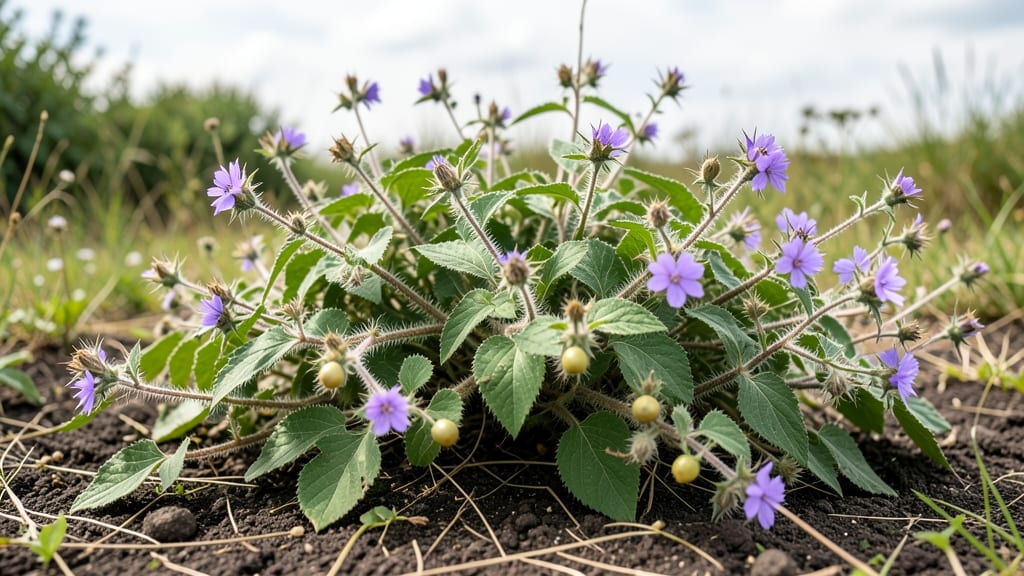
Growing horse nettle fruit means year-round harvests even when frost threatens other plants. ✨ This tough vine thrives in tough conditions—drought, poor soil, and cold snaps—while producing small, yellow-orange berries that turn into edible jam or jelly when cooked properly.
My first harvest taught me how resilient (and surprisingly useful) this often-overlooked native plant can be.
The key to success is letting it grow wild in full sun with minimal care—it spreads aggressively but handles neglect better than most garden plants. The berries start green, ripen to yellow, then turn orange when ready to pick.
Just be cautious: raw fruit is toxic, but cooked down, it makes a delicious spread with a tangy flavor similar to gooseberry.
You’ll end up with a vine that produces fruit from early summer through fall, often lasting into winter in mild climates. The berries are tiny but pack a flavor punch when processed right, and the plant’s hardiness makes it a low-maintenance addition to any landscape.
Just keep it contained—it can take over if left unchecked.
Perfect for foragers, homesteaders, or gardeners looking for a no-fuss, cold-hardy crop. Here’s how to grow it without the headaches—and how to tell it apart from dangerous look-alikes like poison hemlock.
📚 In This Guide
- What you need
- Instructions
- Tips and common mistakes
- Wrapping up and next steps
What you need
- ● Horse nettle seeds or cuttings: 5–10 seeds (or 2–3 healthy vines for propagation). Opt for organic, non-GMO sources for best results.
- ● Well-draining soil: A mix of 60% garden soil, 30% compost, and 10% perlite/sand (pH 6.0–7.0). Horse nettle thrives in slightly acidic to neutral soil.
- ● Fertilizer: Balanced organic fertilizer (e.g., 5-5-5 or 10-10-10 NPK ratio) – 1 tbsp per plant at planting.
- ● Compost tea or worm castings (monthly during growing season for nutrient boost).
- ● Support structure: A 6–8 ft tall trellis, fence, or sturdy stakes (horse nettle vines can grow aggressively!).
- ● Mulch: 2–3 inches of straw or wood chips to retain moisture and suppress weeds.
- ● Watering can or drip irrigation: For consistent moisture (avoid overhead watering to prevent fungal issues).
- ● Pruning shears: Sharp, sterilized shears for trimming vines and harvesting.
- ● Soil test kit: To check pH and nutrient levels before planting.
- ● Row covers: Lightweight fabric to protect young plants from pests or late frosts.
- ● Organic pest control: Neem oil or insecticidal soap (if aphids or spider mites appear).
- ● Harvest basket or gloves: Horse nettle spines can be prickly—protect your hands!
- ● Journal/notebook: To track growth, fertilizing schedules, and harvest dates.
Step-by-step instructions for cultivating horse nettle fruit vines
This hardy perennial thrives with minimal fuss—here’s how to coax sweet, tart berries from its prickly stems.
🌱 Step 1: Select and Prepare the Planting Site
Horse nettle (Solanum carolinense) flourishes in full sun to partial shade and tolerates poor, rocky, or sandy soil—ideal for neglected corners of the garden. Choose a spot with at least 6 hours of direct sunlight daily, though it will produce fruit even in dappled shade. The vine spreads aggressively, so contain it with 3-foot-deep barriers if needed, or let it naturalize in wild areas.
Test soil pH—horse nettle prefers slightly acidic to neutral (6.0–7.5). If your soil is heavy clay, amend with 2–3 inches of compost mixed into the top 12 inches of soil. Avoid rich, fertile soil; the plant performs best when slightly stressed. Clear weeds and debris, then lightly rake the surface to create a loose bed for roots.
☀️ Step 2: Plant Seedlings or Transplants at the Right Time
Start with container-grown seedlings in early spring after the last frost date, or plant bare-root divisions in fall for overwintering. Dig a hole twice as wide as the root ball but only as deep—horse nettle roots are shallow but sprawling. Space plants 3–4 feet apart in rows 4–5 feet apart to allow for vigorous spreading.
Place the plant so the top of the root ball sits level with the soil surface. Backfill with native soil, pressing gently to eliminate air pockets. Water deeply to settle the soil, then mulch with 2 inches of straw or wood chips to suppress weeds and retain moisture. Avoid nitrogen-rich fertilizers—this plant thrives on neglect and may rot in overly rich soil.
💧 Step 3: Water and Maintain Minimal Care
Horse nettle is drought-tolerant once established, but young plants need 1 inch of water weekly during the first growing season. Water at the base of the plant in the morning to prevent fungal issues. Overhead watering isn’t necessary but won’t harm the plant—just avoid wetting foliage if humidity is high, as this can encourage powdery mildew.
Fertilize lightly in early spring with a balanced, slow-release fertilizer (10-10-10) at half the recommended rate. The plant’s deep roots access nutrients naturally, so resist the urge to over-feed. Prune only to remove dead or diseased stems in late winter or early spring. Avoid heavy pruning—the vine’s sprawling habit is part of its charm and productivity.
⏰ Step 4: Harvest and Preserve the Fruit
Berries ripen in late summer to fall, starting as green and turning yellow, then red-orange as they soften. Harvest when fully colored and slightly yielding to gentle pressure—unripe fruit is bitter. Wear gloves and long sleeves when harvesting; the stems are armed with stinging hairs that cause irritation. Use tongs or shears to avoid contact with the plant.
Fresh berries are tart and best used in jams, jellies, or syrups. Spread harvested fruit in a single layer on a tray and dry at 120°F for 8–12 hours for a sweet, chewy snack. Freeze excess fruit for later use. The plant will produce fruit year after year, with minimal care—once established, it’s nearly self-sufficient.
✂️ Step 5: Overwinter and Manage Spread
Horse nettle is hardy to USDA Zone 3, making it one of the most cold-resistant fruiting plants. In mild winters, it may stay green; in colder climates, stems die back but regrow from the root crown in spring. Do not cut back dead stems in winter—they provide insulation for the roots. In early spring, remove only truly dead or broken stems before new growth emerges.
To control spread, dig up and discard unwanted shoots in early spring before they take root. If naturalizing, let the vine colonize—it’s excellent for wildlife, attracting bees, butterflies, and birds. The plant’s prickly stems deter deer and rabbits, making it a low-maintenance, high-reward addition to any garden.
Tips & tricks for growing horse nettle fruit vines
This resilient vine rewards patience with minimal effort—here’s how to maximize your harvest without the headaches.
Sunlight Strategy: While horse nettle thrives in full sun, I’ve found the sweet spot is actually 6-8 hours of direct sunlight during peak growing months (June-August). The extra 2 hours helps accelerate berry ripening in late summer when days shorten. If planting in partial shade, prioritize morning sun exposure—afternoon shade helps prevent heat stress on young plants.
Soil Stress Trick: The instructions mention avoiding rich soil, but I’ve learned to work with this plant’s love of neglect. For clay-heavy soils, mix in 1 part sand to 2 parts native soil when amending with compost—this improves drainage while keeping the soil intentionally poor. Think of it as creating a "stress-free zone" where the plant focuses energy on fruit production rather than leaf growth.
Harvesting Safety: Those stinging hairs aren’t just annoying—they’re a warning. I’ve ruined three harvests trying to pick berries without protection. Invest in heavy-duty gardening gloves with extended cuffs and use long-handled pruning shears to avoid contact entirely. The berries are worth the extra precaution—just remember to wear them when handling the plant, not just during harvest.
Preservation Hack: For that perfect 120°F drying temperature, I use a dehydrator set to "fruit" mode (which typically runs at 125°F) but crack the lid slightly. This prevents over-drying while maintaining the 120°F target. Spread berries on parchment-lined trays with 1-inch spacing—crowding creates uneven drying and potential mold. The dried fruit keeps for months in airtight containers, making it a great winter snack.
Pro Tips for Horse Nettle Fruit
- This resilient vine rewards patience with minimal effort—here’s how to maximize your harvest without the headaches.
- Sunlight Strategy: While horse nettle thrives in full sun, I’ve found the sweet spot is actually 6-8 hours of direct sunlight during peak growing months (June-August).
- Soil Stress Trick: The instructions mention avoiding rich soil, but I’ve learned to work with this plant’s love of neglect.
Frequently asked questions
Got questions about growing and harvesting horse nettle fruit? You’re not alone!
Here are some of the most common queries—and their answers—to help you navigate this unique vine with confidence.
Can horse nettle fruit grow in cold climates?
One of the biggest perks of horse nettle (Solanum carolinense) is its chill resistance. It thrives in USDA zones 3–10, making it perfect for early spring or late fall harvests. Just ensure it gets full sun and well-draining soil—it’ll reward you with fruit even when other plants struggle.
How long does it take for horse nettle fruit to ripen?
Patience is key! From flowering to ripe fruit, expect 60–90 days in ideal conditions. Start with healthy seedlings or transplants (not seeds) to speed up the process. Watch for color shifts from green to yellow or orange—this signals peak ripeness (and edibility!).
Is horse nettle fruit safe to eat raw or cooked?
Yes, but with caution! The fruit is edible when fully ripe (cooked or raw), but unripe berries are toxic. Roast, bake, or simmer them to enhance flavor and reduce bitterness. Pro tip: Always cook wild-harvested fruits to eliminate risks. Think of it like a gourmet tomato—sweet, tangy, and packed with antioxidants!
Why aren’t my horse nettle plants producing fruit?
Several factors could be at play:
- Lack of pollinators: Hand-pollinate flowers with a soft brush if bees are scarce.
- Nutrient deficiencies: Feed with compost or a balanced fertilizer (high in phosphorus) during flowering.
- Overcrowding: Thin vines to improve airflow and sunlight exposure.
- Temperature stress: Extreme heat or cold can halt fruit set.
What’s a good alternative if horse nettle is hard to find?
If horse nettle isn’t available, consider these similar cold-hardy, edible vines:
- Ground cherry (Physalis spp.): Sweeter, easier to grow, and produces lantern-like fruits.
- Winter cherry (Physalis alkekengi): Ornamental but edible when cooked.
- Jimsonweed (Datura stramonium): Toxic—only for experienced foragers!
Wrapping up and next steps
Discovering the horse nettle fruit opens doors to a hardy, low-maintenance vine that thrives even in cooler climates—perfect for gardeners eager to expand their harvests year-round! 🌱 With its resilience and minimal care requirements, this vine is a game-changer for both beginners and seasoned growers alike.
Whether you're drawn to its unique flavor or its adaptability, now is the time to roll up your sleeves and give it a try.
Ready to start? Pick a sunny spot, gather your supplies, and plant your first seeds or cuttings this season! Your future harvests—and maybe even some delicious recipes—are just a few months away. Happy growing! 🌿