
Fertilization
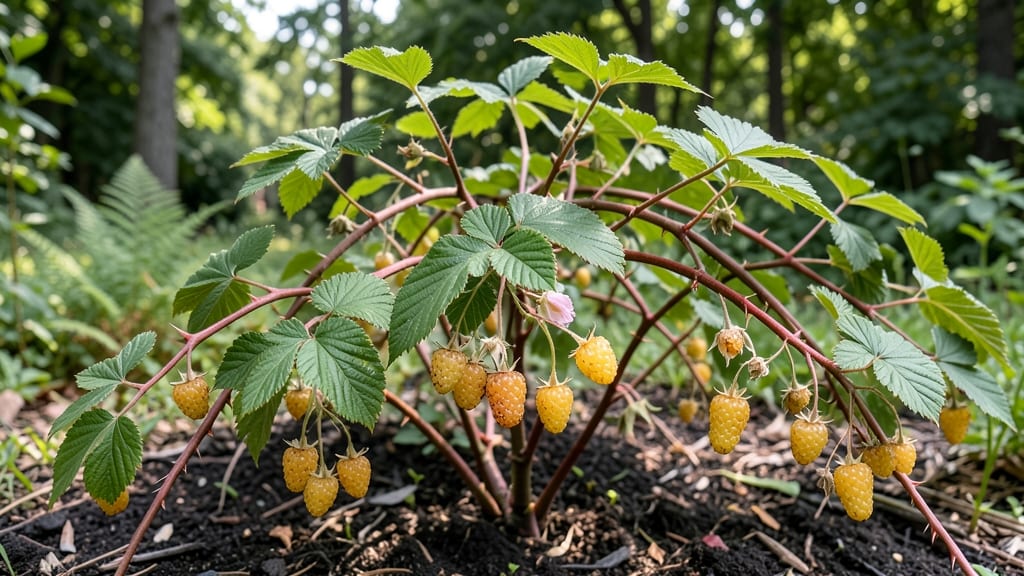
Growing golden raspberries in northern climates means harvesting sun-kissed fruit that tastes like sunshine. 🌟 These cold-hardy varieties thrive where traditional raspberries struggle, giving you a bountiful harvest even in zones 3-5.
The secret lies in their unique growth habits and specific care needs that keep them productive year after year.
These plants demand well-draining soil with a pH between 5.5 and 6.5, enriched with compost before planting. They love full sun—at least 6-8 hours daily—but their canes tolerate cooler temperatures better than most berries.
Water consistently during fruiting season, keeping the soil 2-3 inches deep moist without waterlogging the roots.
Pruning is where the magic happens: remove old canes after harvest to redirect energy into new growth. By late summer, you’ll see fresh canes emerging that will produce next year’s fruit. The golden fruit ripens in late summer, offering a sweeter, more aromatic berry than red varieties.
Watch for cane borers and leaf spot diseases—common challenges in humid northern summers. A 3-inch layer of mulch keeps roots cool and suppresses weeds, while regular monitoring prevents pests from taking over. With proper care, these plants reward you with years of reliable harvests and stunning golden foliage.
📚 In This Guide
- What you need
- Instructions
- Tips and common mistakes
- Wrapping up and next steps
What you need
- ● Golden raspberry canes (5–10 plants, bare-root or potted, disease-resistant varieties like 'Fall Gold' or 'Anne'
- ● Well-draining soil (pH 5.5–6.5) – mix in compost or aged manure for fertility
- ● Organic fertilizer (balanced 10-10-10 or raspberry-specific blend, 1–2 lbs per plant)
- ● Mulch (straw, wood chips, or pine needles, 2–3 inches thick)
- ● Support system (T-posts, trellis, or wire fencing, 6–8 feet tall)
- ● Pruners (sharp, sterilized shears for trimming)
- ● Garden gloves (to protect hands from thorns)
- ● Watering can or hose with spray nozzle (consistent moisture is key!)
- ● Soil test kit (to check nutrient levels before planting)
- ● Epsom salt (for magnesium boost, especially in clay soil)
- ● Row cover fabric (to protect young canes from late frosts)
- ● Drip irrigation system (for automated watering)
- ● Raspberry companion plants (like comfrey or clover to improve soil)
Step-by-step guide to growing golden raspberries in cold climates
Cold-hardy raspberries thrive in northern gardens—here’s how to grow them successfully.
🌱 Step 1: Select and Prepare the Planting Site
Golden raspberries need full sun—at least 6-8 hours daily—and well-draining soil with a pH between 5.5 and 6.5. I always test my soil first because raspberries hate soggy roots. If your yard has heavy clay, mix in 2-3 inches of compost to improve drainage before planting.
Choose a spot with shelter from strong winds, like near a fence or building. Raspberries spread aggressively, so allocate at least 3 feet of space between plants or rows. Mark the area with stakes to avoid overcrowding later. I plant mine in early spring, right after the last frost, when the soil is workable but not muddy.
🪴 Step 2: Plant Bare-Root or Container-Grown Plants
If using bare-root plants, soak the roots in lukewarm water for 1-2 hours before planting. This revives dormant roots and helps them establish faster. Dig a trench 12-18 inches wide and 6 inches deep, then space plants 3-4 feet apart in rows 6 feet apart for easy maintenance.
Place the plant so the crown (where roots meet stems) sits just above soil level—burying it too deep causes rot. Gently spread roots outward and backfill with soil, firming lightly to remove air pockets. Water deeply right after planting to settle the soil and encourage root contact.
☀️ Step 3: Mulch and Water for Establishment
Spread 3-4 inches of organic mulch (like straw or shredded leaves) around each plant, keeping it 6 inches away from the crown to prevent rot. Mulch retains moisture and suppresses weeds, which raspberries hate competing with. Water deeply once a week during the first growing season, aiming for 1-1.5 inches of water per week.
Watch for yellowing leaves—this usually means either underwatering or overwatering. Healthy raspberry leaves stay deep green and slightly wrinkled, not glossy or limp. If your soil feels dry 2 inches below the surface, it’s time to water again.
✂️ Step 4: Prune for Cold Hardiness and Fruit Production
Raspberries are floricanes—they fruit on second-year canes. In late winter or early spring, cut back all dead or weak canes to the ground. Leave only the strongest, healthiest canes, thinning to 6-8 per plant for optimal airflow. I prune when the ground is still frozen—it’s easier to see dead canes without disturbing the roots.
Remove any suckers (shoots growing from the base) immediately, as they drain energy from fruit production. After fruiting, cut the canes that bore fruit down to the ground—these won’t produce again. This keeps the plant focused on growing new canes for next year’s harvest.
🍓 Step 5: Harvest and Overwinter for Next Year
Golden raspberries ripen late summer to early fall, turning a bright golden-yellow when ready. Pick them gently but firmly to avoid damaging the canes. Harvest in dry morning hours to preserve flavor and texture. Once picked, store them in the fridge for up to 5 days or freeze for longer storage.
Before winter, apply a 4-6 inch layer of mulch around the base to insulate roots. In extreme cold zones, wrap young plants with burlap or frost cloth for the first few winters. This protects them from winter dieback, ensuring strong regrowth in spring.
Tips & tricks for growing golden raspberries in cold climates
Cold-hardy raspberries reward patience—here’s how to maximize their potential from day one.
Soil Prep Secret: Before amending heavy clay with compost, dig a test hole and fill it with water. If it drains in under 6 hours, your soil is fine. If it’s still standing after 24 hours, you definitely need that 2-3 inches of compost—raspberries despise soggy roots. I also add a handful of lime if my soil test shows pH below 5.5, since golden raspberries thrive between 5.5 and 6.5. The right pH prevents nutrient deficiencies that show up as yellow leaves.
Planting Precision: When planting bare-root canes, trim any roots that look mushy or black—they’re already damaged. The 1-2 hours of soaking before planting isn’t just about hydration; it helps you identify healthy roots (they’ll be firm and white) versus dead ones (they’ll stay limp and dark). After planting, I press the soil around the roots with my hands—not a shovel—to create good root-to-soil contact without compacting too much.
Watering Wisdom: That 1-1.5 inches of water per week should be delivered in the morning, not evening. Wet leaves at night invite fungal diseases like botrytis, which causes gray mold on ripe fruit. I use a rain gauge to track rainfall so I don’t overwater—raspberries are surprisingly drought-tolerant once established. The 2-inch dry soil check is your best guide: stick your finger in and if it feels like a dry sponge, water deeply.
Pruning Pro Tip: For the 6-8 canes per plant rule, think "pencil thickness"—anything thinner than a #2 pencil won’t produce well. I mark my strongest canes with a dab of white paint in early spring so I don’t accidentally cut them later. And here’s a trick: if you’re unsure whether a cane is dead, scratch the bark with your fingernail. Green underneath means it’s alive; brown means it’s gone.
Pro Tips for Golden Raspberry Fruit
- Cold-hardy raspberries reward patience—here’s how to maximize their potential from day one.
- Soil Prep Secret: Before amending heavy clay with compost, dig a test hole and fill it with water.
- Planting Precision: When planting bare-root canes, trim any roots that look mushy or black—they’re already damaged.
Frequently asked questions
Got questions about growing and enjoying golden raspberry fruit? Here are some of the most common queries—plus quick answers to help you thrive in your northern garden!
1. Are golden raspberries easier to grow than red raspberries?
Yes! Golden raspberries are often more cold-hardy and disease-resistant than their red counterparts, making them ideal for northern climates. They also thrive in similar soil conditions, but their vibrant color and unique flavor make them a fun twist on traditional varieties. Just ensure they get full sun and well-drained soil for best results.
2. When is the best time to harvest golden raspberries?
Golden raspberries typically ripen 2-3 weeks earlier than red raspberries—usually in mid to late summer, depending on your region. Look for fully golden berries that yield slightly to gentle pressure. Harvest in the morning for peak sweetness and avoid overripe berries, which can attract pests.
3. Can golden raspberries survive harsh northern winters?
Many golden raspberry varieties (like ‘Fall Gold’ or ‘Boyne Gold’) are bred for cold tolerance, surviving winters as low as -20°F (-29°C). To boost resilience, mulch heavily with straw or leaves after the first frost and prune in late winter to encourage strong new growth.
4. Why are my golden raspberries turning brown or moldy?
Brown spots or mold often signal botrytis fruit rot, common in humid climates. Improve air circulation by spacing canes 18–24 inches apart, avoid overhead watering, and remove diseased fruit immediately. A fungicide spray (like copper-based options) can help prevent recurrence.
5. What’s the best way to use golden raspberries in recipes?
Golden raspberries shine in jam, desserts, or fresh snacks! Their honey-like sweetness pairs well with vanilla, cheese (like brie), or even savory dishes like salads. Try freezing extras for smoothies or baking—just wash and pat them dry first to prevent ice crystals.
Wrapping up and next steps
Growing golden raspberry fruit in your northern garden is not only rewarding but also a fantastic way to enjoy unique, cold-hardy varieties year after year. With the right preparation—like selecting the perfect soil, providing adequate support, and mastering fertilization techniques—you’ll be harvesting sweet, golden berries in no time! 🌱
Ready to take the next step? Start by planting your golden raspberries this spring or early fall, and don’t forget to monitor their progress. Soon, you’ll be savoring the tangy-sweet flavor of these rare gems—all thanks to your green thumb! 🍓✨