
Fertilization
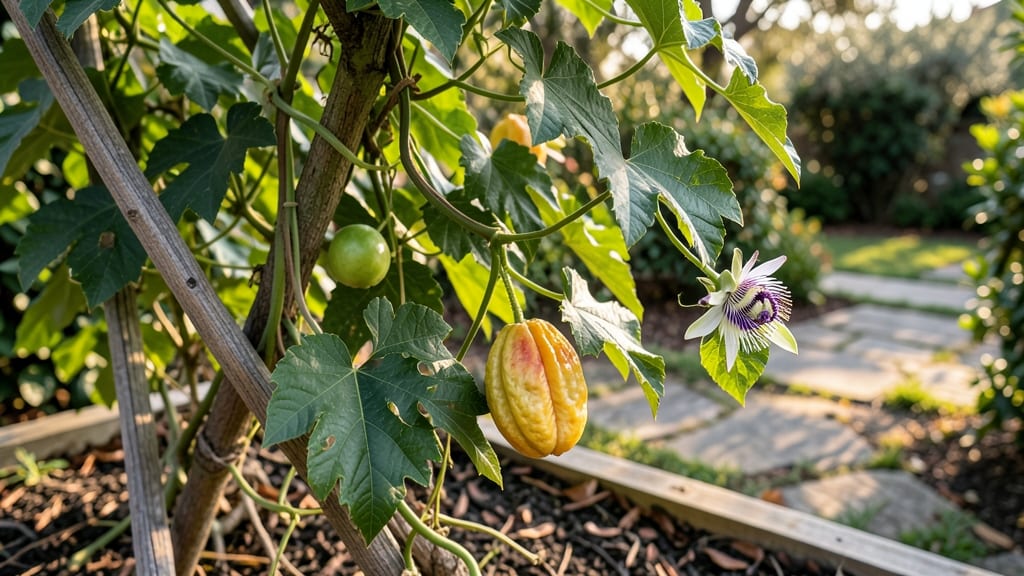
Growing giant passion fruit means year-round harvests of those sweet, tropical treats—if you nail the climate and care. 🌿 I’ve wrestled with this vine for years, and the difference between a thriving plant and a sad, leggy mess comes down to three things: where you plant it, how you feed it, and when you prune.
Skip any of those, and you’ll be left with bitter fruit or no fruit at all.
These vines crave warmth—think zones 9-11, but with a little creativity, you can coax them into cooler areas too. Start with well-draining soil (amend with compost if yours is heavy) and a strong trellis—these things grow 20+ feet if left unchecked.
My first attempt failed because I planted it in shade; now, I give it full sun and watch it explode with growth by spring. The key? Mimic their tropical home: heat, humidity, and support.
By summer, you’ll see those golf-ball-sized buds forming, and with the right fertilization (organic compost tea every 4-6 weeks), you’ll harvest foot-long fruits that taste like sunshine. The pruning isn’t just about shape—it’s about airflow, which keeps pests and diseases at bay.
One wrong cut, and you’ll lose fruit. But get it right, and you’ll have harvests from late summer through fall—or even winter in warm zones.
Here’s the plot twist: giant passion fruit vines live for decades if cared for properly. That means this isn’t a one-season experiment—it’s a long-term investment. If you’re in a cooler climate, bring potted vines indoors before frost, or grow them in containers you can move.
The payoff? Fruit so big and sweet, your neighbors will think you’ve got a secret garden. Let’s get those vines thriving.
📚 In This Guide
- What you need
- Instructions
- Tips and common mistakes
- Wrapping up and next steps
What you need
- ● Passion fruit vines: Disease-resistant varieties like Passiflora edulis (purple) or Passiflora ligularis (giant granadilla). Start with 3-5 healthy plants (bare-root or potted).
- ● Soil: Well-draining, slightly acidic soil (pH 6.0–7.0). Mix in compost or aged manure (5–10 lbs per planting hole) for fertility.
- ● Fertilizer: Balanced fertilizer (10-10-10 or 8-3-9) – 1 cup per plant every 4–6 weeks during growing season.
- ● Organic options: Fish emulsion (2-3-1) or worm castings (½ cup per plant monthly).
- ● Micronutrients: Epsom salt (1 tbsp per gallon of water) for magnesium (apply every 2 months).
- ● Support structure: Sturdy trellis, fence, or arbor (at least 10–15 feet tall) to train vines vertically.
- ● Mulch: Straw or wood chips (2–3 inches thick) to retain moisture and suppress weeds.
- ● Pruning tools: Sharp bypass pruners (for cutting vines) and loppers (for thicker stems).
- ● Watering supplies: Drip irrigation or soaker hose (1–2 gallons per plant daily during dry spells).
- ● Tropical/Zones 10–11: No extra prep needed—just plant during the wet season for natural watering!
- ● Subtropical/Zones 8–9: Use black plastic mulch in winter to protect roots from frost.
- ● Temperate/Zones 7–8: Grow in containers (15+ gallon pots) for mobility or plant near a sunny wall.
- ● Cold Zones (6 & below): Only grow in greenhouses or as annuals; use heat mats for young plants.
- ● Pollination aid: Hand-pollinate with a soft paintbrush if bees are scarce (especially in greenhouses).
- ● Pest control: Neem oil (1 tsp per gallon of water) for aphids or spider mites.
- ● Fruit thinners: Prune excess flowers (leave 3–5 per vine) to encourage larger fruit.
- ● Soil test kit: Check nutrient levels before planting to avoid deficiencies.
Step-by-step instructions for growing giant passion fruit vines
Here’s how to cultivate hardy, productive vines that thrive across climates.
🌱 Step 1: Select and Prepare the Right Vine Variety
Giant passion fruit varieties like 'Panama Red' or 'Golden Giant' produce the largest fruit but need warmth and humidity to flourish. Start with healthy, disease-free cuttings or seeds from a trusted supplier—avoid weak or leggy plants, as they rarely recover. If using seeds, soak them in warm water for 24 hours before planting to speed germination.
I always plant in late spring, after the last frost, when soil temperatures reach at least 65°F. Giant passion fruit vines are tropical and won’t tolerate cold—even a light frost will kill them. If you live in a cooler zone, grow them in large containers (15+ gallons) so you can move them indoors during winter.
☀️ Step 2: Choose the Perfect Sun-Exposed Location
Giant passion fruit vines demand full sun (6+ hours daily) for maximum fruit production. A south-facing wall or trellis works best, as the vines can grow 20-30 feet in a single season. Install a strong trellis or arbor early—these vines are aggressive climbers and need support to prevent sprawling.
In hot climates, provide afternoon shade to prevent leaf scorch. You’ll know the location is right when new growth appears dark green and glossy within weeks of planting. If leaves yellow or wilt, the vine isn’t getting enough water or light—adjust immediately.
💧 Step 3: Plant and Establish the Vine
Dig a hole twice as wide as the root ball but only as deep as the container it came in. Amend the soil with compost to improve drainage—giant passion fruit hates soggy roots. Plant the vine at the same depth it was growing before, then water deeply to settle the soil.
Mulch around the base with 2-3 inches of organic mulch (like wood chips) to retain moisture and regulate soil temperature. Keep the mulch 6 inches away from the stem to prevent rot. Water every 2-3 days until the vine shows new leaves and tendrils—this confirms it’s established.
✂️ Step 4: Prune and Train for Maximum Fruit
Prune aggressively in late winter (before new growth starts) to remove dead or weak stems. Giant passion fruit vines produce more fruit when pruned to 3-4 main branches, each with 2-3 lateral shoots. This encourages energy into fruit production instead of excessive foliage.
Train vines along the trellis by tying new growth to the structure with soft twine. Avoid over-pruning in summer—you’ll sacrifice fruit yield. Watch for yellowing leaves or stunted growth, which signals over-pruning or nutrient deficiency. Fertilize lightly with a balanced 10-10-10 formula every 4-6 weeks during growing season.
🍈 Step 5: Harvest and Maintain for Year-Round Production
Giant passion fruit ripens 6-8 months after flowering, so patience is key. Harvest when the fruit is fully colored and slightly soft to the touch—it won’t ripen further off the vine. Cut stems with clean pruners, leaving a small stub to prevent disease.
After harvest, reduce watering but keep soil moist (not soggy) to encourage new growth. In frost-prone areas, bring potted vines indoors before temperatures drop below 50°F. With proper care, a single vine can produce 50+ pounds of fruit annually—more than enough for fresh eating, juicing, or sharing.
Tips & tricks for thriving giant passion fruit vines
Here's what I've learned after growing these tropical giants in varying climates—these tricks will help you avoid common pitfalls and maximize your harvest.
Soil Temperature Matters: The 24-hour warm water soak for seeds isn't just about speed—it mimics tropical conditions your seeds are used to. For cuttings, I verify soil temperature with a soil thermometer before planting. If it's below 65°F, wait or use black plastic mulch to warm the soil faster. Cold soil shocks the roots and delays establishment, which is especially critical in cooler zones where you're already pushing the plant's limits.
Sunlight Strategy: Those 6+ hours of daily sun are non-negotiable, but the quality matters just as much. In hot climates, I've found that providing afternoon shade (using shade cloth) actually increases fruit set by preventing leaf scorch. You'll know you've got it right when new growth appears dark green and glossy within weeks—anything less means your vine is struggling to photosynthesize efficiently.
Pruning Precision: The late winter pruning to 3-4 main branches with 2-3 lateral shoots each is where most gardeners go wrong. I recommend marking your target branches with twist ties before pruning so you don't accidentally remove too much. And here's a pro move: leave a small bump (about 1/4 inch) above each cut—this prevents water from pooling and causing rot, which is especially important in humid growing zones.
Winter Survival Hacks: For container growers in frost-prone areas, I've developed a system using insulated grow bags wrapped around the pots. This creates a microclimate that keeps roots above 50°F even when outdoor temps drop to 30°F. I also move my containers to a bright garage or sunroom where they get indirect light—this maintains photosynthesis while protecting them from freezing temperatures. The key is to keep them dormant but not completely inactive.
Pro Tips for Giant Passion Fruit
- Here's what I've learned after growing these tropical giants in varying climates—these tricks will help you avoid common pitfalls and maximize your harvest.
- Soil Temperature Matters: The 24-hour warm water soak for seeds isn't just about speed—it mimics tropical conditions your seeds are used to.
- Sunlight Strategy: Those 6+ hours of daily sun are non-negotiable, but the quality matters just as much.
Frequently asked questions
Got questions about growing giant passion fruit? You’re not alone!
Here are answers to the most common queries—from climate concerns to troubleshooting—so you can cultivate these tropical giants with confidence.
What are the best climate zones for growing giant passion fruit?
Giant passion fruit (Passiflora edulis) thrives in USDA Zones 9-11 and tropical/subtropical regions. In cooler zones (8 or below), grow them in containers and bring them indoors during winter. They need warmth (70°F+), humidity, and full sun (6+ hours/day). If you’re in Zone 7 or colder, consider greenhouse cultivation or microclimates near south-facing walls.
How long does it take for a giant passion fruit vine to bear fruit?
With ideal conditions, expect 12–18 months from planting to first harvest. Young vines focus on root and vine growth before flowering. Patience is key! Prune aggressively in early growth to encourage fruiting, and ensure consistent watering and fertilization (especially with high-potassium options). Some varieties, like ‘Panama Red,’ may fruit sooner if grafted onto vigorous rootstock.
Can I grow giant passion fruit from seed, or should I buy a grafted plant?
While seeds are cheap and fun, they’re unpredictable—plants may not match the parent’s size or flavor. For guaranteed giant fruit, opt for grafted nursery plants (e.g., ‘Panama Red’ or ‘Panama Yellow’). Grafting also reduces disease risk and speeds up fruiting. If starting from seed, soak seeds for 24 hours and plant in well-draining soil with 70% humidity for best germination.
Why aren’t my giant passion fruit vines flowering or fruiting?
Common culprits include:
- Insufficient sunlight (move to a sunnier spot or supplement with grow lights).
- Nutrient deficiencies (test soil for low phosphorus/potassium; use a balanced fertilizer like 10-10-10).
- Temperature stress (vines need consistent warmth—below 50°F halts growth).
- Over-pruning (leave 3–4 main stems for flowering).
- Lack of pollinators (hand-pollinate with a soft brush if bees are scarce).
If issues persist, check for pests (e.g., spider mites) or fungal diseases (like powdery mildew) and adjust care accordingly.
Are giant passion fruit self-pollinating, or do I need multiple plants?
Most giant passion fruit varieties are self-pollinating, meaning one plant can produce fruit. However, cross-pollination improves yields—planting two varieties nearby (e.g., ‘Panama Red’ + ‘Panama Yellow’) can boost fruit size and flavor diversity. If indoors or in a greenhouse, gently shake vines daily or use a small brush to transfer pollen.
Wrapping up and next steps
Growing giant passion fruit is a rewarding journey that blends tropical allure with practical gardening skills!
Whether you're adapting to warm climates or experimenting with seasonal extensions, the key is patience, precision, and a little passion. 🌱 With the right techniques—like balanced fertilization and climate-smart care—you’ll soon enjoy bountiful harvests of these juicy, massive fruits.
Ready to take the next step? Start by planting your first vine this season and fine-tune your approach as you go. Happy growing—your future giant passion fruits are waiting! 🍈✨