
Diseases
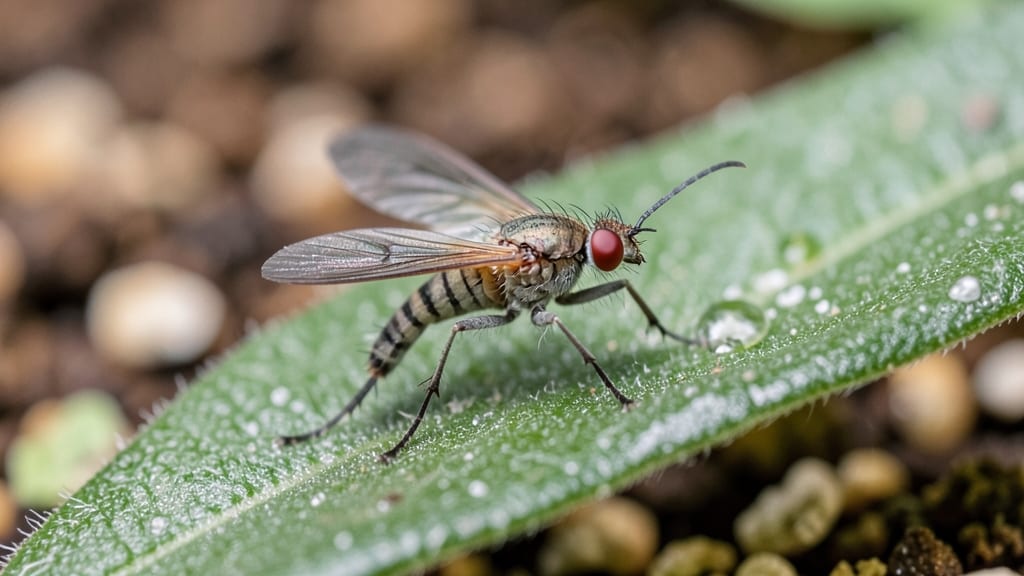
Tiny pests wreaking havoc on your seedlings? 🌱 Fungus gnats and fruit flies might look similar at first glance, but their habits, damage, and control methods couldn't be more different—and knowing the difference is the key to saving your plants.
Fungus gnats thrive in damp soil, their larvae chewing on roots while adults hover near moisture. Fruit flies, on the other hand, swarm around overripe fruit and rotting organic matter, rarely touching your plants directly. One targets roots; the other targets your trash can.
The damage tells the tale: stunted seedlings or wilting leaves mean fungus gnats, while a sudden fruit fly infestation smells like spoiled produce. Both can spread diseases, but their prevention strategies are worlds apart—dry soil for gnats, clean compost for flies.
Once you spot the signs, the fixes are straightforward. For gnats, yellow sticky traps and diatomaceous earth work wonders. For fruit flies, apple cider vinegar traps and proper food storage cut them off at the source—no chemicals needed.
The first product explained
Meet Product A: EcoDefend Fungus Gnat & Fruit Fly Trap—your go-to solution for keeping those pesky winged intruders out of your home and garden! 🚫🪰 Designed for both beginners and seasoned plant enthusiasts, this product is a game-changer for anyone battling fungus gnats or fruit flies. Let’s dive into what makes it stand out!
📏 Key Specifications
- Type: Non-toxic, reusable trap system
- Material: Durable BPA-free plastic with a replaceable lure cartridge
- Dimensions: Compact (6.5" x 4" x 3")—fits easily on windowsills, shelves, or near infested plants
- Capacity: Holds up to 50+ flies per cartridge (varies by species)
- Battery/Power: No batteries required—works with natural attraction methods
- Lifespan: Cartridge lasts ~4-6 weeks (or until full)
✨ Standout Features
What sets EcoDefend apart? Here’s why it’s a top pick:
- Dual-Species Targeting: Specifically formulated to attract both fungus gnats and fruit flies, saving you from buying multiple traps!
- Non-Toxic & Pet-Safe: No chemicals, sprays, or harmful residues—safe for homes with kids, pets, or sensitive plants. 🐶🐱
- Easy Setup: No assembly required! Just place the trap near the problem area, and it’s ready to work in minutes.
- Odor-Free Design: Unlike some traps, this one emits no unpleasant smells, making it ideal for indoor use.
- Eco-Friendly: Replaceable cartridges are biodegradable, and the trap itself is recyclable.
🎯 Who’s It For?
This trap is perfect for:
- 🌱 Houseplant lovers: Ideal for eliminating fungus gnats that thrive in soil and moisture-rich environments.
- 🍎 Fruit & veggie growers: Fruit flies? Gone. Overripe produce? No more swarms!
- 🏡 Eco-conscious homeowners: A chemical-free, sustainable solution for pest control.
- 👨👩👧👦 Families with pets/kids: Safe and stress-free pest management.
$ Price Point & Value
The EcoDefend Fungus Gnat & Fruit Fly Trap retails for $19.99 for a starter pack (includes 1 trap + 2 refill cartridges). Considering the long-term savings on chemical sprays, replacement plants, or professional pest control, it’s a steal! 💰💸
Pro Tip: 💡 Buy the 3-pack bundle ($44.99) for 20% off—great for larger homes or severe infestations!
The second product explained
Meet your new ally in the battle against tiny winged invaders: Fruit Fly Trap & Fungus Gnat Eliminator by EcoGuard 🚀🌱. This eco-friendly, non-toxic solution is designed to tackle both fungus gnats and fruit flies with precision—without harsh chemicals or complicated setups. Let’s break down what makes this product a standout choice for homeowners, gardeners, and plant enthusiasts alike.
📏 Key Specs & Features
- Dual-Trap Design: Features two distinct compartments—one for fungus gnats (attracted to yeast-based bait) and another for fruit flies (lured by apple cider vinegar). 🍎✨
- Eco-Friendly Formula: Uses natural ingredients like yeast, sugar, and vinegar, making it safe for pets, kids, and plants.
- Reusable & Refillable: The trap itself is durable and reusable, with replaceable bait pods for long-term use.
- Compact & Discreet: Sleek, modern design fits seamlessly on countertops, windowsills, or near houseplants without looking out of place.
- Odorless Operation: Unlike some traps, this one minimizes lingering smells, keeping your space fresh.
- Lightweight: Weighs just 8.5 oz (240g), making it easy to move around your home or garden.
🎯 Who’s It For?
This trap is perfect for:
- Houseplant Lovers: Ideal for those battling fungus gnats in soil or moisture-rich environments like terrariums or potted plants.
- Kitchen & Pantry Owners: Fruit fly magnets will appreciate the vinegar-based bait for quick, chemical-free elimination.
- Eco-Conscious Users: Anyone who prefers non-toxic, sustainable pest control over sprays or traps with harsh ingredients.
- Renters or Small-Space Dwellers: No installation required—just set it up and let it work!
💰 Price Point & Value
The EcoGuard Fruit Fly Trap & Fungus Gnat Eliminator retails for $19.99 for a 3-pack of refillable traps, making it a cost-effective solution compared to buying single-use traps repeatedly.
With its reusable design, you’ll save money in the long run while reducing waste. Plus, the included 6-month supply of bait pods ensures you’re covered for extended use.
Pro Tip: 💡 Place traps near problem areas (e.g., drain spouts for fruit flies or soil surfaces for fungus gnats) for maximum efficiency. Replace bait every 2-3 weeks or when you notice a drop in effectiveness.
Head-to-head comparison
When it comes to tiny, winged pests invading your home or garden, fungus gnats and fruit flies can be a real headache! 😩 While they might look similar at first glance, their behaviors, habitats, and the damage they cause differ significantly.
Below, we break down a side-by-side comparison to help you tell them apart and tackle them effectively.
🔍 Appearance: The First Clues
One of the easiest ways to distinguish between fungus gnats and fruit flies is by examining their physical traits:
| Feature | Fungus Gnats | Fruit Flies |
|---|---|---|
| Size | 1/8 to 1/16 inch (tiny, delicate) | 1/8 to 1/4 inch (slightly larger, sturdier) |
| Body Shape | Long, slender, with a humped back | More compact, with a straight body |
| Wings | Clear, veined, and held flat over the body | Clear but less veined, often held slightly away from the body |
| Legs | Long and hairy | Shorter and less hairy |
| Color | Black or dark gray with red or black eyes | Tan, brown, or reddish with bright red eyes |
Pro Tip: 💡 If you see tiny flies hovering near damp soil or decaying organic matter, they’re likely fungus gnats. If they’re buzzing around ripe fruit or trash cans, you’ve got fruit flies on your hands!
🌱 Habitat & Behavior: Where Do They Hang Out?
These pests don’t just randomly appear—they thrive in specific environments. Here’s where each prefers to call home:
- Fungus Gnats:
- 🌿 Love moisture—found in potted plants, damp soil, compost piles, and mushroom farms.
- 🐛 Larvae (called sciarid larvae) feed on fungus, decaying plant matter, and roots.
- 🕒 Active at night—you’ll spot them buzzing around lights or hovering near soil.
- Fruit Flies:
- 🍎 Drawn to fermenting or rotting fruit, vegetables, and sugary liquids (think overripe bananas, beer spills, or trash bins).
- 🍺 Larvae (called maggots) develop in decaying organic matter.
- ☀️ Active during the day—they’re the ones you see swarming your kitchen counter.
Pro Tip: 🌡️ If your houseplants are suddenly wilting or the soil smells funky, fungus gnats are probably the culprits. If your fruit bowl is attracting a swarm, fruit flies have won!
🐛 Life Cycle: How Fast Do They Reproduce?
Understanding their life cycles helps you interrupt their lifecycle and prevent future infestations:
| Stage | Fungus Gnats | Fruit Flies |
|---|---|---|
| Eggs | Laid in moist soil or decaying matter; hatch in 3-5 days. | Laid near food sources; hatch in 8-30 hours. |
| Larvae | Feed for 7-14 days before pupating. | Feed for 3-7 days before pupating. |
| Pupae | Develop in 3-7 days. | Develop in 3-5 days. |
| Adult | Live for 10-14 days; females lay 100-300 eggs. | Live for 15-30 days; females lay 300-500 eggs. |
| Total Cycle | 14-30 days (depending on conditions). | 8-14 days (one of the fastest breeders!). |
Pro Tip: ✨ Fruit flies reproduce faster than fungus gnats, so acting quickly is key to stopping an infestation before it spirals out of control!
🍽️ Damage & Risks: What’s the Harm?
Both pests are annoying, but they can also damage your plants, contaminate food, and even spread diseases. Here’s what each one’s guilty of:
- Fungus Gnats:
- 🌱 Larvae chew on plant roots and stems, weakening or killing houseplants.
- 🍄 Can spread fungal diseases (like root rot) in soil.
- 🏠 Mostly a nuisance in indoor plants.
- Fruit Flies:
- 🍎 Larvae (maggots) contaminate food, making it unsafe to eat.
- 🍺 Can spread bacteria (like E. coli) from decaying matter to your kitchen.
- 🏠 More likely to infest kitchens, garbage bins, and fruit bowls.
Pro Tip: 🎯 If you’re growing vegetables or herbs, fungus gnats can be devastating. For food safety, fruit flies are the bigger threat—clean up spills and store fruit properly!
💰 Control Methods: How Do You Get Rid of
Which one should you choose?
So, you’ve got tiny winged pests buzzing around your plants—or worse, breeding in your soil—and you’re ready to take action! 🚀 Whether you’re dealing with fungus gnats or fruit flies, the key is identifying them correctly and choosing the right elimination strategy for your situation.
Here’s the verdict and recommendations to help you win this battle once and for all.
🌱 For Gardeners & Plant Lovers: Fungus Gnats Are the Real Culprits
If your plants are wilting, yellowing, or covered in tiny black specks (aka larvae), fungus gnats are likely the troublemakers.
These pests thrive in moist soil and can stunt plant growth. Recommendation: Skip the fruit fly traps and opt for yellow sticky traps or beneficial nematodes (like Steinernema feltiae) to target larvae in the soil.
Add a layer of sand or perlite to dry out the topsoil—fungus gnats hate dry conditions! 💡
🍎 For Home Cooks & Fruit Enthusiasts: Fruit Flies Are the Annoying Invaders
If you’re swatting at flies near your kitchen counter, overripe fruit, or trash bin, fruit flies are the guilty party. These guys multiply fast and spread bacteria. Recommendation: Set up apple cider vinegar traps or commercial fruit fly bait stations near infested areas.
Clean up spills, store fruit in the fridge, and take out the trash daily—no food scraps = no fruit fly buffet! 🗑️
🏠 For the Undecided or Mixed Infestations: Cover All Bases
Not sure which pest you’re dealing with? Play it safe with a two-pronged approach:
- Outdoor plants: Use sticky traps (for fungus gnats) + vinegar traps (for fruit flies).
- Indoor potted plants: Let the soil dry between waterings and add diatomaceous earth (food-grade) to deter both pests.
- Kitchen areas: Wipe down surfaces with vinegar or lemon juice—fruit flies despise the scent!
Pro tip: Prevention is key! 🌡️ Regularly inspect soil moisture, store produce properly, and keep trash sealed to avoid future invasions.
💥 Final Tip: Speed vs. Sustainability
Need a quick fix? Sticky traps or traps will work fast. Want a long-term solution? Focus on habitat control (dry soil, no rotting fruit, clean surfaces). Combine methods for the best results!