
How To
Struggling with poor fruit set despite healthy trees? These 10 essential pollinators—bees, birds, and other wildlife—are the secret to transforming your orchard into a high-yielding fruit production powerhouse. Discover which species work best for your crops and how to attract them naturally.
Honey Bees for Apple and Pear Trees
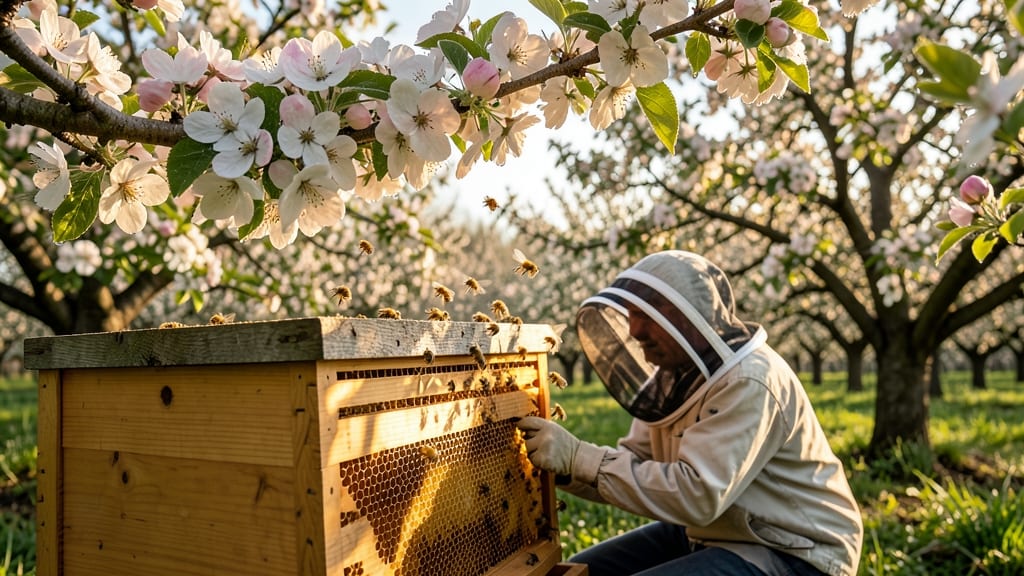
If your apple or pear trees are loaded with blossoms but producing few fruits, honey bees might be your missing link. These hardworking pollinators are the gold standard for orchards, with commercial beekeepers even renting hives to maximize yields in large-scale fruit production.
Honey bees thrive on dense blossoms like those of apples and pears, transferring pollen with unmatched efficiency. A single hive can pollinate up to 2 acres of orchard, making them ideal for both backyard growers and large-scale farms. To attract them, plant clover, lavender, or sunflowers nearby for year-round forage.
This pollinator powerhouse is especially valuable for high-value crops where fruit set directly impacts harvest quality. 🌟
Bumblebees for Blueberries and Raspberries
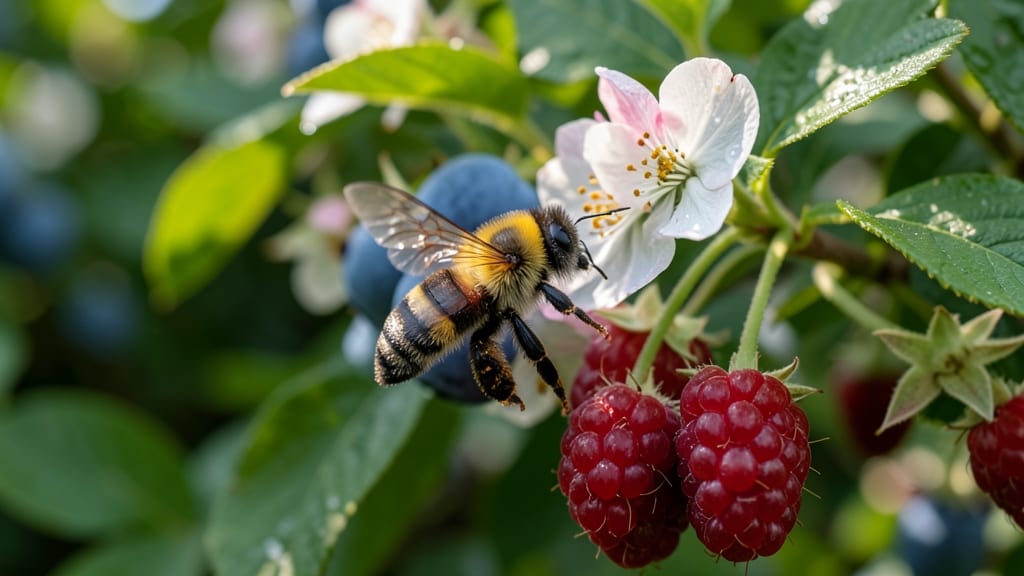
If your blueberries and raspberries are underperforming, it might be time to invite some bumblebees to the party. Unlike honey bees, these fuzzy pollinators use a technique called buzz-pollination, where they vibrate their flight muscles to release pollen from deep within flowers—perfect for crops like tomatoes and berries that need a little extra help.
Bumblebees thrive in cooler climates and are early bloomers, making them ideal for spring berry crops. To attract them, plant native wildflowers like bee balm or borage near your berry bushes, and avoid pesticides that harm their fuzzy bodies. Their heavy, hairy bodies also help them pollinate in greenhouse conditions, where other bees struggle.
Perfect for small gardens, urban homesteads, or greenhouse growers, bumblebees turn stubborn berry plants into fruit-bearing powerhouses with minimal effort. 🌿
Mason Bees for Stone Fruits and Almonds
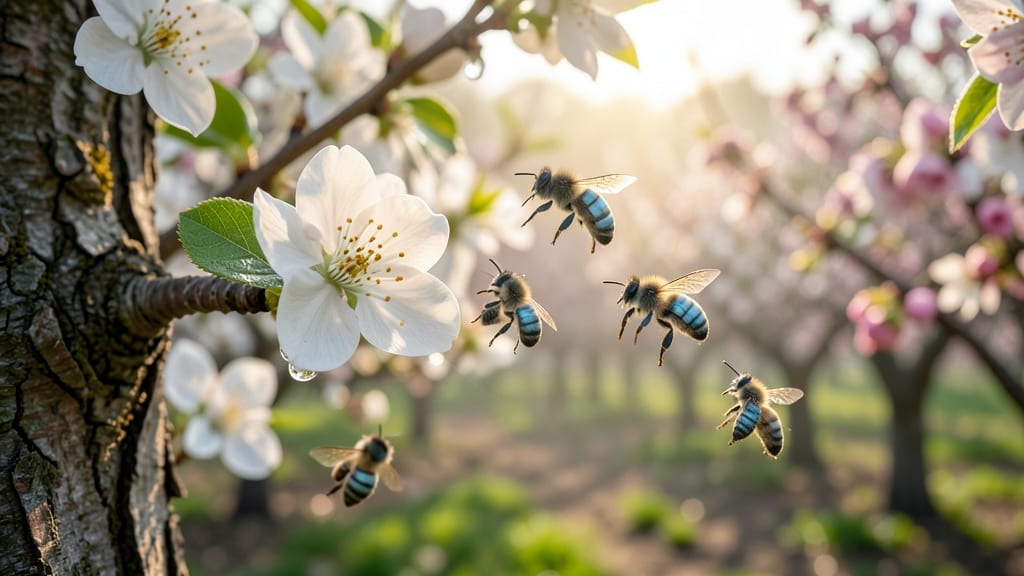
If your almonds or stone fruits (like cherries and peaches) are underperforming, tiny mason bees might be your game-changer. These native, solitary bees are 100 times more efficient than honey bees for these crops, thanks to their precise pollination habits and early spring activity.
Unlike honey bees, mason bees don’t need hives—just simple wooden nesting tubes (like a bee house) drilled with holes. They’re perfect for small-scale orchards, urban yards, or even balcony gardens, as they thrive in compact spaces. Planting early-blooming flowers like willows or fruit trees near their nesting sites ensures they have nectar while pollinating your crops.
Gardeners with limited space or those avoiding pesticides will love mason bees—they’re gentle, non-aggressive, and require almost no maintenance. Plus, their year-round presence (if you provide overwintering sites) means better fruit set from season to season. 🌱
Hummingbirds for Citrus and Passionfruit Trees
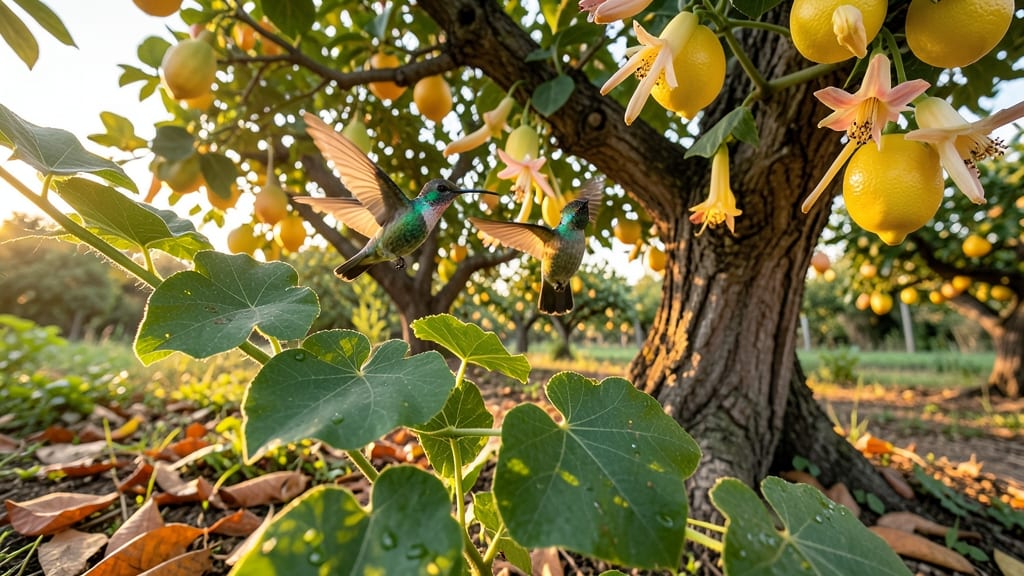
Want to turn your citrus trees and passionfruit vines into fruit-producing powerhouses? Hummingbirds are the secret weapon for warm-climate orchards, with their love for tubular blooms like those of lemon, orange, and passionflower. These tiny, high-energy pollinators work tirelessly during the day, ensuring every blossom gets a visit—something bees often miss in the heat.
To attract them, plant native tubular flowers like salvia, fuchsia, and trumpet vine near your fruit trees. Hummingbirds thrive in full sun and need a shallow water source (a hummingbird feeder works perfectly). Unlike bees, they’re active year-round in warm zones, making them ideal for extended harvests. A single hummingbird can pollinate hundreds of flowers in an hour!
This is a game-changer for gardeners in USDA zones 8-11, where citrus and passionfruit struggle with poor fruit set. With minimal effort—just the right flowers and a feeder—you’ll see bigger, sweeter fruit and a garden buzzing with life. 🌟
Syrphid Flies for Early Season Pollination
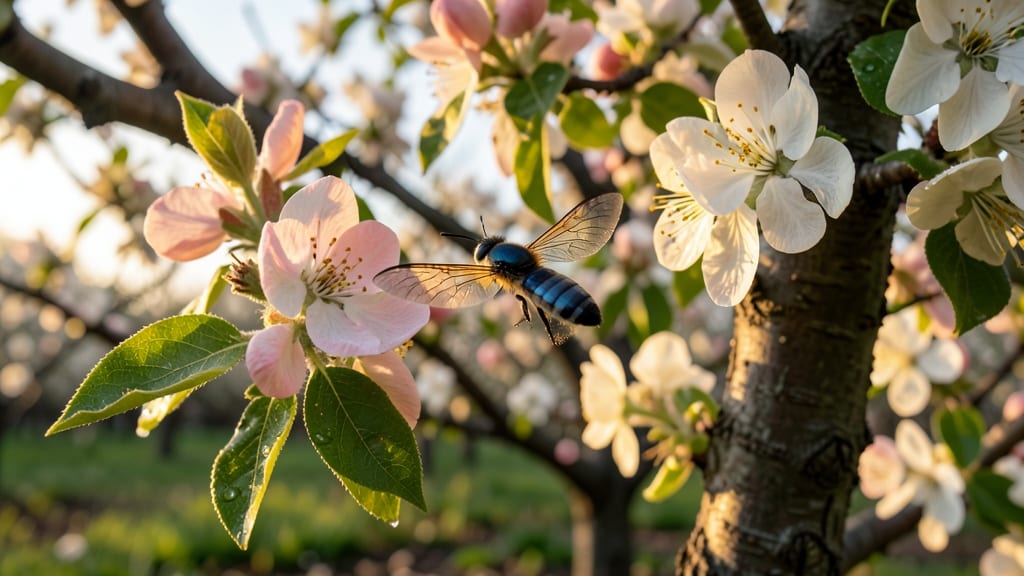
Before your bees wake up from winter, syrphid flies—often mistaken for tiny wasps—are already hard at work pollinating early bloomers like peaches and apricots. These beneficial insects are nature’s unsung heroes for spring orchards, arriving weeks before bees and providing critical pollination when temperatures hover between 50-75°F.
Not only do they transfer pollen efficiently, but their larvae also devour aphids, making them a two-for-one pest control solution. To attract them, plant dill, fennel, or marigolds nearby—their flat, open flowers mimic the blooms of fruit trees. Avoid pesticides, as syrphid flies are highly sensitive to chemical sprays, and they’ll reward you with better fruit set. 🌱
Butterflies for Cherry and Plum Trees
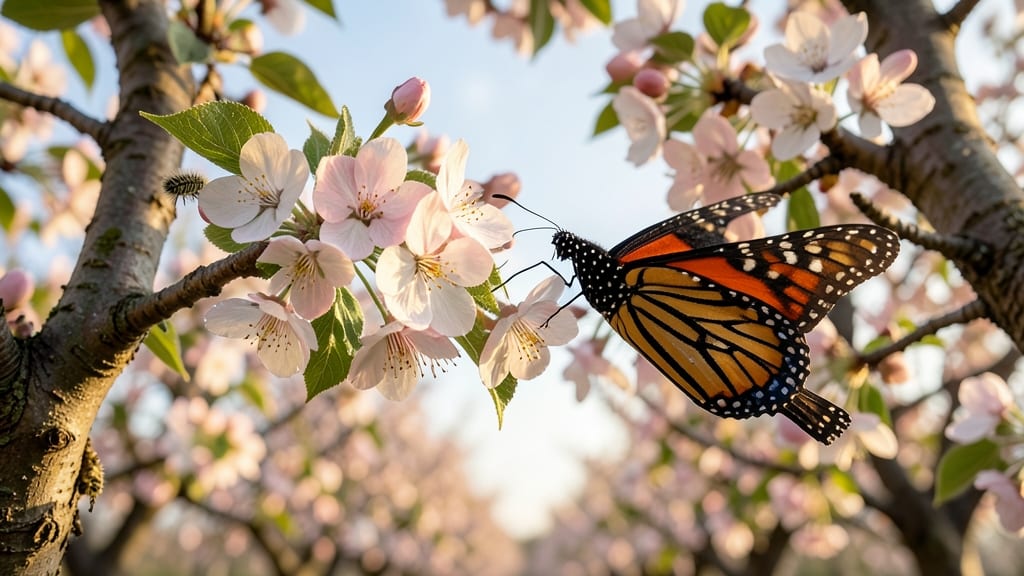
If your cherry and plum trees are blooming but producing sparse fruit, butterflies might be the missing link. While bees get most of the pollination credit, adult butterflies and their caterpillars play a vital role in temperate orchards, especially for these stone fruits.
Monarchs and swallowtails are the star players, with adult butterflies sipping nectar from blossoms while transferring pollen between trees. Their caterpillars also contribute indirectly by maintaining plant health—larvae of swallowtail species often feed on host plants that improve tree vigor. To attract them, plant native milkweed (for monarchs) and parsley family plants nearby, and avoid pesticides during their flight seasons (spring through summer).
This pollination duo thrives in cooler climates and is particularly effective in small orchards where bee populations might be limited. Even urban gardeners with container-grown trees can benefit by creating butterfly-friendly habitats. 🌻
Solitary Bees for Fig and Kiwi Vines
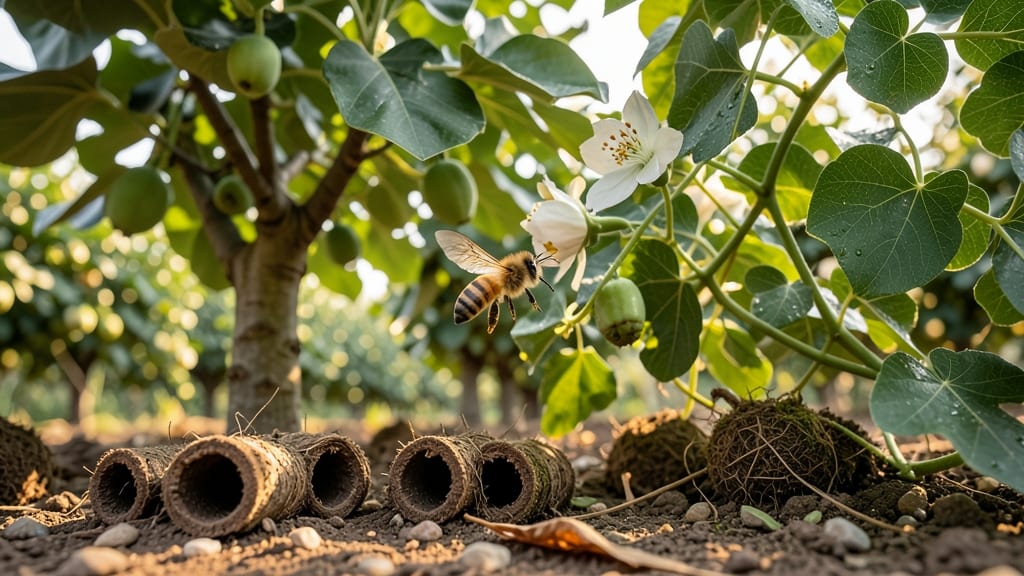
If your fig trees or kiwi vines are producing fewer fruits than expected, solitary bees like leafcutter bees might be the missing link. Unlike honey bees, these ground-nesting pollinators are especially effective for these less conventional fruit-bearing plants, thanks to their aggressive and thorough pollination habits.
Leafcutter bees and other solitary species thrive in loose, well-drained soil where they can nest. Planting native wildflowers** near your figs or kiwis provides them with both food and nesting sites, while avoiding pesticides ensures their survival. Their smaller size allows them to access deep blossoms, resulting in better fruit set and higher yields.
Urban gardeners and small-scale growers will find these bees particularly helpful, as they require minimal maintenance compared to managed hives. With their help, even tricky crops like kiwis can thrive! 🌱
Starlings for Late-Blooming Fruit Trees
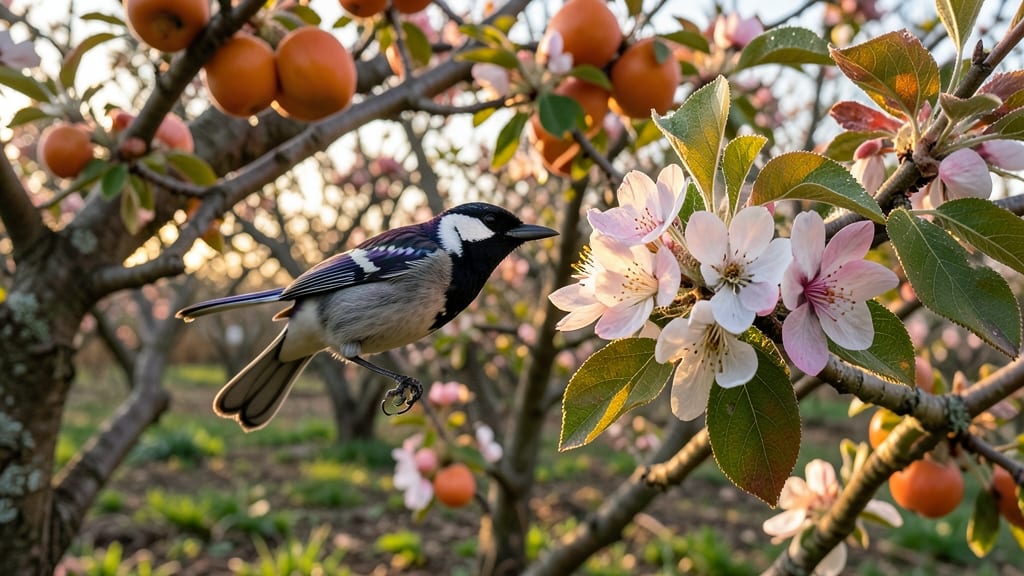
If your late-season fruit trees—like persimmons or certain apple varieties—struggle to produce fruit, you might be overlooking one of nature’s most effective pollinators: European starlings. These clever birds thrive in mixed orchards, where their foraging habits brush against blossoms, transferring pollen between trees with surprising efficiency.
Starlings are especially helpful for late-blooming fruit trees, as they remain active during cooler autumn months when other pollinators have already migrated. Planting native shrubs like elderberry or serviceberry near your orchard can attract them, while leaving some fruit on branches (even if not for harvest) encourages their visits. Their presence is a game-changer for orchards where bees and butterflies have already packed up for the season. 🌟
Beetles for Tropical Fruit Trees
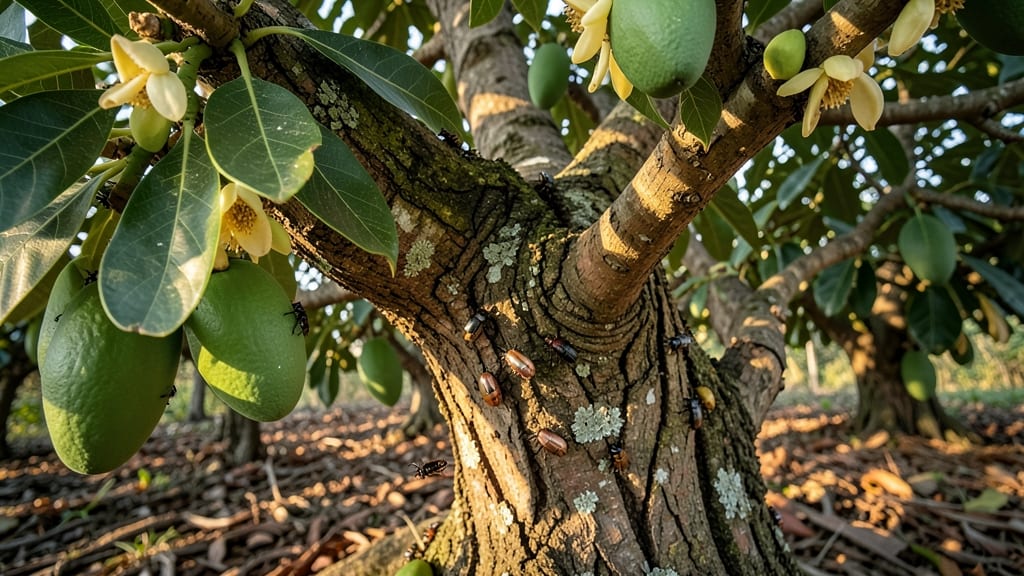
If your tropical fruit trees like mangoes or avocados aren’t producing as much as you’d hope, tiny beetles might be the unsung heroes you’ve overlooked. These often-missed pollinators—including the fig wasp and certain beetle species—play a crucial role in subtropical and tropical orchards, where traditional bees struggle to thrive.
Unlike their bee counterparts, these beetles are perfectly adapted to warm climates and thrive in humid, shaded conditions where fruit trees flourish. For example, the fig wasp has a symbiotic relationship with fig trees, ensuring fruit development by pollinating flowers deep within the fig’s structure. Meanwhile, beetles like the avocado beetle (not to be confused with pests!) actively transfer pollen between blossoms, boosting yields in mango, guava, and citrus trees.
Gardeners in USDA Zones 10-12 or similar climates should welcome these pollinators by preserving natural habitats, avoiding broad-spectrum pesticides, and planting native flowering shrubs nearby. Their presence means fewer missed opportunities for fruit set—and more harvests to enjoy. 🌿
Bat Pollinators for Night-Blooming Fruit Trees

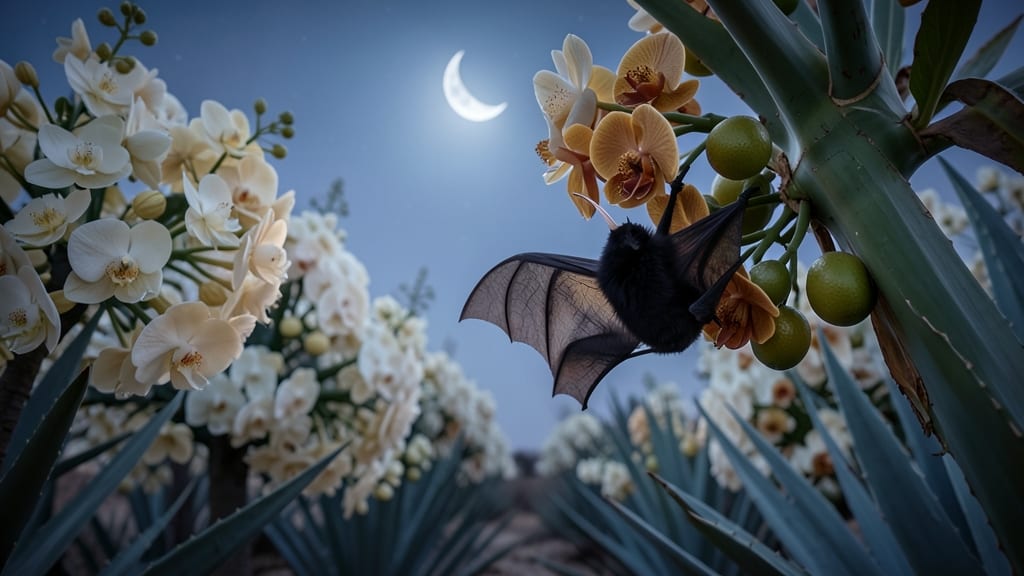
If your fruit trees bloom after dark but still produce sparse harvests, you might be missing the night shift pollinators—bats! These flying mammals, like the lesser long-nosed bat, are unsung heroes for agave, night-blooming citrus, and other desert-adapted crops. Their long tongues reach deep into flowers, transferring pollen with remarkable efficiency during twilight hours.
To attract them, plant night-scented flowers like evening primrose or jasmine near your orchard. Avoid pesticides, especially at dusk, and provide water sources like shallow dishes. These bats thrive in warm, dry climates and can dramatically increase fruit set in crops that bloom after sunset. Their presence also helps control insect pests naturally.
Perfect for desert gardeners, citrus growers, and agave farmers, bats offer a low-maintenance solution for nocturnal pollination. With the right habitat, you could see a noticeable boost in fruit production—without extra effort. ✨