
Pruning
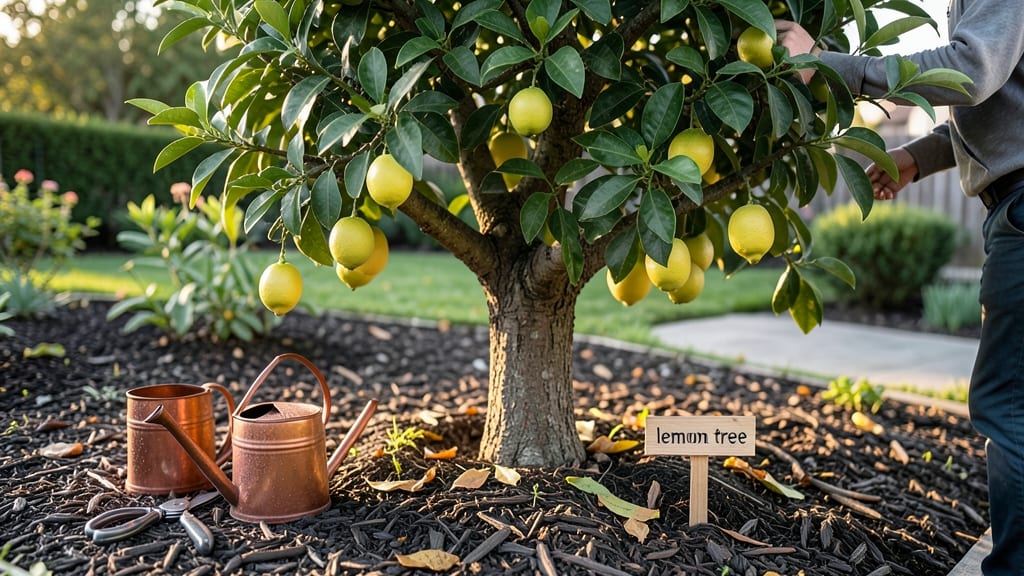
Your fruit tree care near me starts with understanding what your local climate demands—not what the label says. 🌳 I’ve learned the hard way that a peach tree in zone 7 needs different pruning, watering, and pest control than the same variety in zone 5, and those differences mean the difference between a bountiful harvest and a sad, sparse one.
First, match your care routine to your region’s frost dates and rainfall patterns. Most fruit trees need 6-8 hours of sunlight daily, but watering schedules shift dramatically—drip irrigation works best in dry climates, while mulch helps retain moisture in humid areas.
The soil matters too: most fruit trees thrive in well-draining, slightly acidic soil (pH 6.0-6.5), but local amendments like compost or lime might be necessary.
Pruning is where local expertise shines. In my area, we prune stone fruits (peaches, plums) in late winter to avoid silver leaf fungus, while citrus trees need minimal pruning and prefer warm winters. The goal?
Open the canopy for airflow, shape the tree for easy harvesting, and remove dead wood before pests move in. With the right timing, your tree will reward you with healthier branches and bigger fruit.
Don’t overlook seasonal check-ins: fertilize in early spring, thin fruit in summer to improve size, and protect young trees from late frosts. Local nurseries often know the best varieties for your area—ask about disease-resistant options like ‘Liberty’ apples or ‘Tifblue’ blueberries.
Small adjustments based on your microclimate will keep your tree thriving for decades.
📚 In This Guide
- What you need
- Instructions
- Tips and common mistakes
- Wrapping up and next steps
What you need
- ● Pruning shears (bypass or anvil type): Sharp, sterilized blades (3–6 inches long) for small branches (up to ½ inch thick). Pro tip: 💡 Oil blades after use to prevent rust!
- ● Loppers: 6–8 inch blades for medium branches (½–1½ inches thick). Look for ratchet-assisted models for easier cutting.
- ● Pruning saw: Curved-tooth saw for thick branches (1½+ inches). A foldable design saves space!
- ● Gloves: Heavy-duty, cut-resistant gloves (gardening or pruning-specific) to protect hands from thorns and splinters.
- ● Disinfectant (70% isopropyl alcohol or bleach solution): Clean tools between cuts to prevent disease spread.
- ○ Pruning sealant (optional but recommended): Tree wound paint or pruning paste to seal large cuts (over ½ inch) and reduce sap loss.
- ● Ladder or step stool: Sturdy, non-slip (extendable ladder preferred for taller trees). Safety first—always have a spotter!
- ● Heavy-duty trash bags: 13–30 gallon capacity to collect pruned branches and debris.
- ● Safety goggles: Protect eyes from debris, especially when using a saw.
- ● Long sleeves/pants: Wear lightweight, breathable layers to avoid scratches or sunburn.
- ● Work boots or closed-toe shoes: Steel-toe boots add extra protection for heavy pruning.
- ○ Extension pole pruners (optional): For high branches—saves time and effort!
- ● Notebook & pen: Jot down notes on pruning cuts, tree health, or seasonal reminders.
- ● Water & snacks: Stay hydrated, especially on warm days! 💧
Instructions for year-round fruit tree health
Here’s how I keep my local fruit trees thriving through every season—no matter where you live.
🌱 Step 1: Assess Your Tree’s Seasonal Needs
Start by observing your tree’s current condition. In spring, focus on pruning to encourage airflow and fruit development—remove dead, crossing, or diseased branches while the tree is still dormant. I always prune before buds swell (usually February-March in most climates) to avoid stressing the tree.
By summer, prioritize watering—deeply once a week unless rainfall exceeds 1 inch. Check soil moisture by digging 2 inches deep; if dry, water slowly at the drip line (the edge of the tree’s canopy). Mulch with 2-3 inches of organic material (like wood chips) to retain moisture and regulate soil temperature.
☀️ Step 2: Monitor Light and Pest Activity
Fruit trees need full sun (6+ hours daily), but too much afternoon sun can stress them in hot climates. If your tree shows wilting or sunburned leaves, provide light afternoon shade during peak heat. I’ve seen trees in Zone 8+ benefit from whitewashed trunks to reflect sunlight and reduce heat stress.
Pests like aphids, scale, or borers thrive in stagnant conditions. Inspect leaves weekly—look for sticky residue (honeydew) or chewed edges. A strong hose spray often dislodges soft-bodied pests, while neem oil (applied in early evening) deters borers without harming beneficial insects.
✂️ Step 3: Prune and Fertilize Seasonally
Fall pruning (after harvest, October-November) removes suckers and water sprouts—these compete for nutrients and weaken the tree. Cut back 1/3 of the canopy if needed, but avoid heavy pruning in late fall to prevent winter damage. Always sterilize pruners with rubbing alcohol to prevent disease spread.
Fertilize twice a year: early spring (before buds break) with a balanced 10-10-10 and late summer (after harvest) with low-nitrogen, high-potassium (like 5-10-10) to strengthen roots for winter. Avoid high-nitrogen fertilizers in summer—they promote leafy growth at the expense of fruit.
⏰ Step 4: Prepare for Winter Dormancy
In late fall, wrap young trees (under 3 years) with tree wrap to protect bark from sun scald and rodent damage. Older trees benefit from a 4-inch layer of mulch around the base, but keep it 6 inches away from the trunk to prevent rot. I also prune out damaged limbs after the first frost to reduce entry points for pests.
Water deeply once a month during dormant months (unless snow covers the ground) to prevent soil desiccation. A well-hydrated tree enters winter stronger and resists cracked bark or dieback in spring. If your area gets freezing winds, erect a windbreak (like burlap) on the north side of the tree.
🌿 Step 5: Spring Awakening and Disease Prevention
As buds swell in early spring, apply dormant oil spray to smother overwintering pests. I also thin fruit clusters (if needed) to 6-8 inches apart—this ensures larger, higher-quality fruit and reduces branch breakage from overloading. Use sharp pruners and cut at a 45-degree angle just above an outward-facing bud.
Watch for early signs of disease like powdery mildew (white fuzzy patches) or fire blight (blackened, oozing branches). Remove infected areas immediately and sterilize tools between cuts. A 1% hydrogen peroxide spray (mixed with water) helps prevent fungal spread without chemicals.
Tips & tricks for thriving fruit trees year-round
Between us, these are the hard-won lessons that keep my local fruit trees producing like clockwork every season.
Pruning Precision: In Step 1, when pruning before buds swell (February-March), make your cuts at a 45-degree angle just above an outward-facing bud. This technique promotes faster healing and better fruit development. I've seen too many trees develop cankers from improper cuts—always sterilize your pruners with rubbing alcohol between cuts to prevent disease spread. The goal is to open up the canopy for sunlight penetration while maintaining the tree's natural shape.
Watering Wisdom: The once-a-week deep watering in Step 1 is non-negotiable, but here's what nobody tells you—use a moisture meter to verify soil conditions. In summer, I water slowly at the drip line until the soil 2 inches deep feels moist. Overhead watering can spread fungal diseases, so always water at the base. For newly planted trees, I recommend a soaker hose to deliver water directly to the roots without disturbing the soil.
Pest Prevention Strategy: When inspecting leaves weekly in Step 2, pay special attention to the undersides where pests hide. I've found that a neem oil spray applied in early evening (when bees aren't active) works wonders against borers. For severe infestations, I've had success with beneficial nematodes applied to the soil. The key is consistency—pests don't give you second chances once they establish themselves.
Seasonal Fertilizing: The twice-yearly fertilization in Step 3 is spot-on, but timing is everything. For the early spring application, I work the fertilizer into the soil 3-4 inches deep around the drip line. In late summer, I use a slow-release formula to avoid encouraging late-season growth that won't harden off before winter. Remember, fruit trees need potassium for winter hardiness—don't skimp on that second application.
Pro Tips for Fruit Tree Care Near Me
- Between us, these are the hard-won lessons that keep my local fruit trees producing like clockwork every season.
- Pruning Precision: In Step 1, when pruning before buds swell (February-March), make your cuts at a 45-degree angle just above an outward-facing bud.
- Watering Wisdom: The once-a-week deep watering in Step 1 is non-negotiable, but here's what nobody tells you—use a moisture meter to verify soil conditions.
Frequently asked questions
Got questions about keeping your fruit trees thriving? You’re not alone! Here are answers to the most common concerns—whether you’re a first-time grower or a seasoned gardener looking for local tweaks.
When’s the best time to prune my fruit tree?
For most fruit trees, late winter or early spring (just before buds swell) is ideal—this promotes healthy growth while avoiding frost damage. Evergreens like citrus can be pruned lightly in late winter, but avoid heavy cuts. Always prune after harvest for summer-bearing varieties (e.g., blueberries). Pro tip: Check your local frost dates to time it right!
Do I need special tools to prune fruit trees?
Basic tools like sharp bypass pruners, loppers, and a pruning saw are essential. For larger branches, a pole pruner helps reach high spots. Disinfect tools between cuts (rubbing alcohol works) to prevent disease spread. Local garden centers often rent or sell tools—call ahead to check availability near you!
My tree has dead branches—how do I remove them safely?
Cut dead branches 1/4 inch above a healthy bud or branch collar (the swollen area where the branch meets the trunk). Avoid leaving stubs, which can attract pests. If a branch is thick, make a 3-step cut: undercut, top cut, and finish cut. Wear gloves—some branches (like black walnut) have irritating sap!
Can I prune fruit trees in summer?
Summer pruning is possible but riskier—it stresses the tree and can invite pests. If you must, do it after harvest and avoid heavy cuts. Focus on removing suckers, water sprouts, or diseased branches. For stone fruits (peaches, plums), summer pruning can improve airflow and reduce fungal issues like brown rot.
What if my tree isn’t producing fruit? Could pruning help?
Pruning alone won’t guarantee fruit, but it improves air circulation and sunlight exposure, which boosts flowering. Thin out crowded branches to redirect energy to fruit production. Pair pruning with proper fertilization (local soil tests help!) and check for pests/diseases. Young trees often need 2–3 years to bear fruit—patience is key!
Still stumped? Many local nurseries or cooperative extension offices offer free pruning workshops. Call ahead—some even send experts to your yard for a fee!
Wrapping up and next steps
Caring for your fruit trees doesn’t have to be overwhelming—with the right local expertise and seasonal attention, you can enjoy a bountiful harvest for years to come! 🌳 From pruning to pest control, consistency is key, and your trees will thrive with patience and care.
Now’s the perfect time to connect with a local arborist or gather your tools and get started—your future fruit harvest will thank you!