
Plants
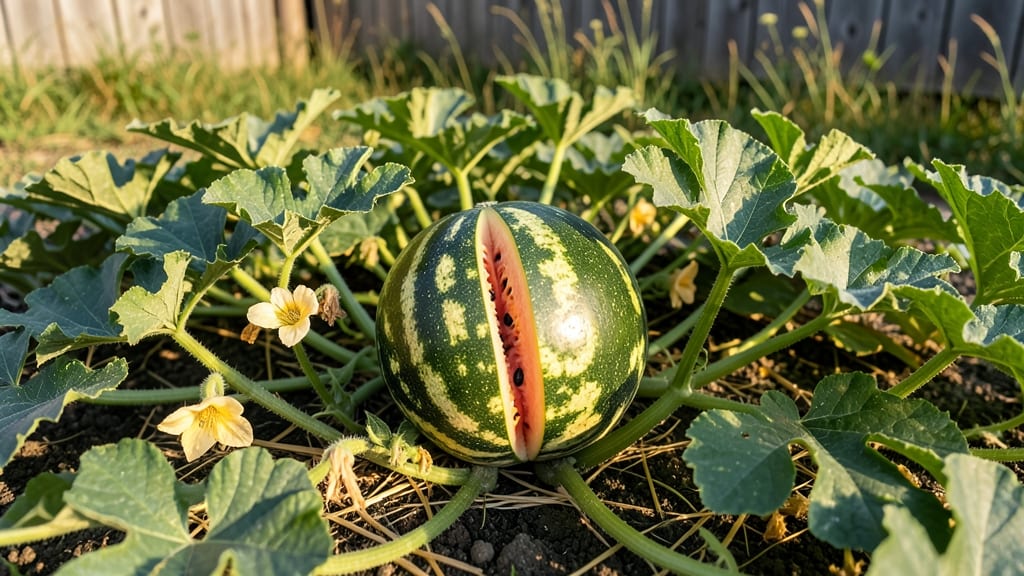
Growing fruit that looks like watermelon but tastes like citrusy honeydew is the gardening secret I wish I’d known sooner. 🌱 The horned melon (Cucumis metuliferus) delivers that exact thrill—spiky green rinds hiding sweet, tangy flesh with a honeydew-watermelon hybrid flavor.
It’s the one melon I plant every year now, and I’ll tell you exactly how to grow it—even if you’ve never tried cucurbits before.
The trick starts with warm soil—wait until nighttime temps stay above 60°F before planting. These melons love full sun (6+ hours daily) and well-draining soil rich in compost. They’re drought-tolerant once established, but young plants need consistent moisture to prevent bitter fruit.
I’ve grown them in containers (15-gallon pots) and in-ground beds with equal success, even in USDA Zones 9-11—though cooler climates can grow them as annuals.
By midsummer, you’ll spot those watermelon-shaped fruits with spiky ridges—harvest when the rind turns golden and the fruit feels heavy. The flavor? A mix of honeydew’s sweetness and a bright citrus tang that’s addictive.
Use them fresh in salads, ferment them into spicy pickles, or blend them into smoothies. The versatility makes them worth every minute of care.
This melon thrives in hot, dry climates but adapts surprisingly well to humid summers if you provide afternoon shade. Start seeds indoors 4-6 weeks before last frost, or buy transplants if your growing season is short.
The key? Patience—vines take 90-120 days to produce fruit, but the payoff is uniquely satisfying.
Nature’s Deceptive Color Tricks
When your fruit starts resembling a watermelon—whether it’s a honeydew melon, a pumpkin, or even a certain type of squash—it’s not just a quirky coincidence. Behind this striking resemblance lies a mix of genetic, environmental, and physiological factors that trick our eyes into seeing familiar shapes and hues.
Let’s break down the science behind why some fruits mimic watermelons, so you can troubleshoot (or even encourage!) the phenomenon in your garden.
Sometimes, nature plays a fun prank by altering a fruit’s DNA. Genetic mutations or intentional crossbreeding can produce fruits with watermelon-like appearances. For example:
- Honeydew melons occasionally develop a green rind with a striped or mottled pattern, mimicking watermelon’s classic look. This happens when genes responsible for pigment production (like chlorophyll and anthocyanins) are expressed differently.
- Hybrid squashes (e.g., some varieties of Cucurbita) may inherit traits from watermelons if bred with them, leading to similar rinds or even red-fleshed interiors.
Actionable tip: If you’re growing heirloom or hybrid plants, check the parentage—some seed packets label traits like "watermelon-like rind" as a selling point! 🌱
Extreme heat or uneven sunlight can trigger a fruit’s "survival mode," altering its color and texture to resemble a watermelon. Here’s how:
- Overripe or sunburned skin: When fruits (like honeydew or pumpkins) bake under intense sun, their outer layer develops a corky, rough texture and darkens—mimicking watermelon’s tough rind. This is the plant’s way of protecting itself from further damage.
- Uneven ripening: If a fruit gets patchy sunlight, some areas may turn yellow or orange (like a watermelon’s stripes) while others stay green. This happens because carotenoids (pigments responsible for orange hues) activate unevenly.
Pro tip: To prevent this, use shade cloth during peak sun hours or hand-pollinate flowers to ensure even growth. 🌞✨
Fruits often develop watermelon-like traits when they’re either overwatered or nutrient-deficient. Here’s the breakdown:
| Cause | Effect on Fruit | Fix It! |
|---|---|---|
| Too much water | Fruits swell unevenly, developing a blotchy, watermelon-like rind as the skin thickens to prevent bursting. | Adjust irrigation to 1–1.5 inches per week and ensure well-draining soil. |
| Nitrogen deficiency | Lack of nitrogen causes stunted growth and dark, mottled skin, resembling a watermelon’s speckled pattern. | Add compost or a balanced fertilizer (like 10-10-10) at planting time. |
| Potassium shortage | Fruits may develop yellow stripes or dull spots, mimicking watermelon’s natural variegation. | Use a potassium-rich amendment like wood ash or banana peels. |
💡 Remember: Soil tests are your best friend! A simple kit can reveal exactly what your plants are missing. 🧪
If a flower isn’t properly pollinated, the resulting fruit can take on bizarre shapes and colors—sometimes resembling a watermelon. Here’s why:
- Incomplete pollination: When bees or wind fail to transfer pollen, fruits may grow lopsided or striped, as the plant compensates by overproducing pigments in certain areas.
- Double fertilization: Rarely, a flower may be pollinated twice, leading to fusion of multiple fruits (like a honeydew growing with a watermelon-like texture).
Actionable fix: Hand-pollinate with a soft paintbrush if your garden lacks pollinators, or plant bee-friendly flowers nearby (like marigolds or sunflowers). 🐝🌼
Now that you know the science, you can decide whether to embrace these watermelon doppelgängers—or take steps to prevent them! Whether it’s a genetic quirk or a cry for help from your plants, understanding the cause puts you in control of the harvest. 🍉🔍
Fixing Your Honeydew’s Watermelon-Like Look
Now that you know why your honeydew might be mimicking a watermelon—whether it’s due to overripe fruit, genetic quirks, or environmental stress—let’s tackle the fixes! Below are practical, step-by-step solutions tailored to each cause, plus prevention tips to keep your honeydew looking sweet and distinct.
If your honeydew is turning pale green and striped like a watermelon, it’s likely overripe. Here’s how to address it:
🔥 Stop the Ripening Process
- Harvest Early: Pick honeydews when they’re light green with a slight yellow tint—this prevents them from developing watermelon-like stripes.
Use a sharp knife to avoid damaging the vine. - Store Properly: Place harvested honeydews in a cool, dark place (55–60°F) to slow ripening. A paper bag with a few apples (ethylene gas producers) can help regulate softening, but monitor closely to avoid spoilage.
🍳 Use the Fruit Strategically
- Cook or Blend It: Overripe honeydew is still edible! Blend it into smoothies, sorbets, or sauces where the texture won’t matter.
The natural sweetness shines in desserts like honeydew-glazed chicken or fruit salads. - Ferment or Preserve: Turn it into honeydew jelly, chutney, or even wine to extend its shelf life and mask the less-than-ideal appearance.
🌱 Prevention for Next Season
- Adjust Harvest Timing: Learn your plant’s ripening cycle—harvest 1–2 weeks earlier than usual if overripening is a recurring issue.
- Prune for Balance: Overloaded vines produce fruit too quickly. Prune excess blossoms early in the season to allow remaining fruit to mature evenly.
Some honeydew varieties naturally develop watermelon-like stripes due to their genetics. Here’s how to work with (or around) this trait:
🔍 Choose the Right Variety
- Opt for Classic Honeydew: If stripes are a dealbreaker, select non-striped varieties like:
- ‘Sweet Gem’
- ‘Perlette’ (smaller, uniform fruit)
- ‘Earlidew’ (early-season, less prone to striped patterns)
- Grow Watermelon-Like Fruit Intentionally: If you love the look, embrace it!
Varieties like ‘Moon and Stars’ watermelon or ‘Sugar Baby’ (a hybrid) can inspire creative recipes where stripes are a feature, not a flaw.
🌡️ Optimize Growing Conditions Even striped honeydews benefit from ideal care:
- Consistent Watering: Drought stress can intensify stripes—water deeply 1–2 times per week (adjust for climate).
- Balanced Fertilizer: Too much nitrogen = leafy growth, not sweet fruit.
Use a low-nitrogen, high-potassium fertilizer (like 5-10-10) to encourage fruit development over foliage.
✨ Creative Uses for Striped Honeydew
- Decorative Dishes: Slice striped honeydew into gourmet platters or fruit skewers—the pattern adds visual appeal!
- Infused Water or Cocktails: Muddle chunks into sparkling water, mojitos, or sangria for a unique twist.
If stripes or watermelon-like patterns appear due to pests, disease, or poor growing conditions, act fast to restore your plant’s health.
🛡️ Address Pests and Disease
| Issue | Fix | Prevention |
|---|---|---|
| Powdery Mildew | Spray with neem oil or baking soda solution (1 tsp baking soda + 1 quart water + a drop of dish soap). | Plant in full sun (6+ hours/day) and space vines for airflow. |
| Fungal Spots | Remove infected fruit immediately. Apply copper fungicide every 7–10 days. | Rotate crops—don’t plant melons in the same spot yearly. |
| Aphids/Spider Mites | Blast off with water spray or use insecticidal soap. | Introduce ladybugs or predatory mites as natural pest control. |
🌱 Improve Growing Conditions
- Soil Health: Test soil pH (ideal: 6.0–6.8). Amend with compost or aged manure for nutrients.
- Sunlight: Honeydews need full sun (6+ hours/day).
If shaded, trim nearby trees or relocate the plant. - Support the Vines: Use a trellis or cage to keep vines off the ground, reducing rot and pest risks.
💡 Pro Tip for Recovery
If your plant is already stressed, focus on one fix at a time. Overloading it with treatments can cause more harm. Start with water adjustments, then move to pest control or fungicide as needed.
To avoid watermelon-like surprises in future harvests: ✅ Monitor ripening closely—harvest at the peak of sweetness (not past it). ✅ Rotate crops to prevent soil-borne diseases. ✅ Choose disease-resistant varieties if your climate is prone to mildew. ✅ Keep vines healthy with regular pruning and support.
By addressing the root cause—whether it’s ripening, genetics, or growing conditions—you’ll ensure your honeydew stays sweet, stripless, and stunning. And if stripes do appear? Lean into the fun—your fruit is just dressing up for a gourmet show! 🍉✨
Frequently asked questions
What are the most common fruits that resemble watermelons?
The horned melon (kiwano) and winter melon (ash gourd) are the top lookalikes! Both have watermelon-shaped exteriors but offer unique flavors—kiwano has a jelly-like lime-citrus center, while winter melon is mild and cucumber-like. Other mimics include honeydew melons (when overripe) and certain ornamental gourds.
Can I grow watermelon-like fruits in containers?
Horned melons and mini watermelons thrive in 15-gallon containers with well-draining soil. Use a trellis for vines to save space, and ensure 6+ hours of sunlight daily. Just avoid overwatering—these plants prefer dry soil once established.
Why does my honeydew melon look like a watermelon?
Overripening or genetic quirks cause this! When honeydew stays on the vine too long, its skin develops watermelon-like stripes from uneven pigment production. Heat stress or poor pollination can also trigger this. Try harvesting earlier next time or choosing striped-resistant varieties like 'Sweet Gem'.
Are there edible fruits that look like watermelons but taste completely different?
Yes! The horned melon (kiwano) is the star—its spiky green exterior hides a lime-citrus jelly inside. Winter melons (ash gourds) have thick rinds but taste like mild cucumber. Even some ornamental gourds are edible when young, offering unique textures like crunchy or gelatinous centers.
How do I tell if a watermelon-like fruit is ripe?
For horned melons, look for a golden-yellow rind and firmness when squeezed. Winter melons should feel heavy for their size and have a dull, not shiny, surface. Tap it—ripe ones sound hollow. Honeydew melons should have a creamy yellow blush under the rind, not green stripes.