
Shrubs
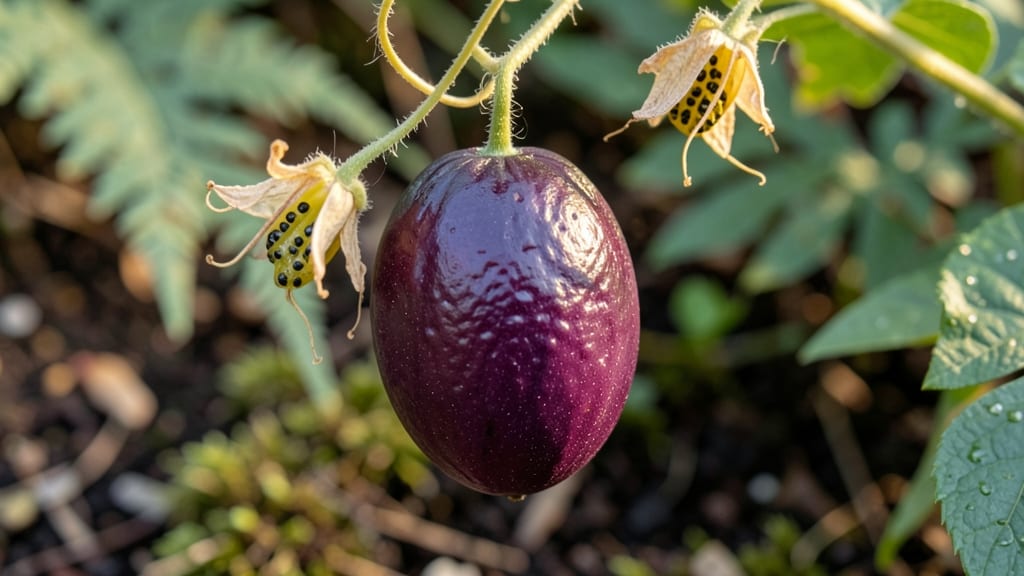
Growing frog fruit in Florida means you can harvest spiky, honey-sweet melons year-round—no frost to stop this tropical vine. 🌿 I’ve grown it in the heat and humidity of Central Florida, and it’s the only vine that thrives when everything else wilts.
The key is matching its wild origins to Florida’s climate: full sun, well-draining soil, and a trellis to keep those spiky fruits off the ground. This isn’t your average cucumber—frog fruit (or horned melon) needs 6+ hours of direct sun daily and soil that drains fast but holds moisture.
Think sandy loam mixed with compost, and avoid heavy clay. Water deeply 2-3 times a week, more in summer, but let the top inch dry between waterings to prevent rot. The vines spread fast, so give them room or prune aggressively to keep them in check.
When ripe, these melons burst with a flavor like a mix of banana, lime, and cucumber—perfect for jellies, salads, or fresh eating. The flowers are edible too, adding a sweet, citrusy pop to dishes.
Just watch for squash bugs and powdery mildew; neem oil keeps pests away, and good airflow prevents fungal issues. Florida’s heat is actually ideal for frog fruit—it’s frost-sensitive, so if you live in the Panhandle, grow it in containers you can move indoors in winter.
Start seeds indoors in late winter or buy young plants from a nursery. With the right setup, you’ll have a vine that produces harvests every 6-8 weeks once established.
📚 In This Guide
- What you need
- Instructions
- Tips and common mistakes
- Wrapping up and next steps
What you need
- ● Frog fruit seeds or young plants: 1–3 (buy from a reputable nursery or online seed vendor). Pro tip: 💡 Start with seeds if you’re patient—germination takes 2–4 weeks!
- ● Well-draining potting mix: 5–10 gallons (use a blend of 60% garden soil, 30% compost, and 10% perlite/sand for optimal aeration).
- ● Containers (if not planting directly): 1–3 large pots (12+ inches in diameter) with drainage holes.
- ● Organic fertilizer: 1–2 cups of balanced 10-10-10 or composted manure (for nutrient-rich soil).
- ● Mulch: 2–3 inches of wood chips or pine straw (to retain moisture and suppress weeds).
- ● Garden trowel or shovel (for planting).
- ● Watering can or hose with a gentle spray nozzle (frog fruit dislikes soggy roots!).
- ● Pruning shears (for shaping and maintaining the vine).
- ○ Gloves (optional, but helpful for handling thorny stems).
- ● Sunny location: 6+ hours of direct sunlight daily (Florida’s climate is perfect!).
- ● Drought tolerance: Once established, this plant thrives with minimal watering (but keep young plants moist!).
- ● Epsom salt (1 tbsp/month in water) for magnesium boost.
- ● Pest control: Neem oil or insecticidal soap (for aphids or spider mites).
- ● Trellis or arbor (if you want to train the vine vertically—it can grow up to 15 feet!).
- ● Soil pH tester (ideal range: 6.0–7.5; adjust with lime or sulfur if needed).
Step-by-Step instructions for growing frog fruit in Florida’s climate
This vine thrives in Florida’s heat—here’s how to get it growing strong with minimal fuss.
🌱 Step 1: Choose the Perfect Sunny Spot
Frog fruit needs at least 6 hours of direct sun daily—more if possible. In Florida’s intense summer heat, afternoon shade helps prevent leaf scorch, but morning sun is non-negotiable. I always pick a spot near my patio where the vine can climb a trellis or fence, keeping the fruit off the ground and away from pests.
Test your location for a few days first. If leaves wilt by midday, move it to a slightly shadier area. The vine’s natural shade tolerance kicks in after it’s established, but young plants need gradual sun exposure to avoid stress.
☀️ Step 2: Plant at the Right Time and Depth
Spring is ideal for planting in Florida, but you can start in late summer too—just water deeply after planting. Dig a hole twice as wide as the root ball but only as deep as it was in its container. This prevents burying the stem, which can rot in Florida’s humidity.
Loosen the roots gently if they’re circling, then place the plant in the hole and backfill with native soil. Press lightly around the base to remove air pockets, but don’t compact the soil. Water immediately to settle everything, and you’ll see the first new leaves emerge within 2-3 weeks if conditions are right.
💧 Step 3: Water Deeply but Infrequently
Frog fruit hates soggy roots, so water once a week during dry spells, letting the soil dry completely between waterings. In Florida’s summer, that might mean watering every 3-4 days—check by sticking your finger 2 inches deep into the soil. If it’s dry, water; if damp, wait.
Mulch around the base with 2-3 inches of organic mulch to retain moisture and keep roots cool. Avoid piling mulch against the stem, though—leave a 2-inch gap to prevent rot in Florida’s damp air.
✂️ Step 4: Prune for Shape and Fruit Production
Prune in late winter or early spring to shape the vine and encourage fruit production. Cut back overly long vines by one-third to promote bushier growth. Remove any dead or diseased branches immediately—they spread faster in Florida’s humidity.
Pinch off the first few flowers if your vine looks leggy. This might seem counterintuitive, but redirecting energy to leaf growth means bigger fruit later. Once the vine establishes, you’ll get continuous harvests from spring through fall.
🪴 Step 5: Protect Against Florida’s Pests and Heat Stress
Watch for aphids and spider mites, which thrive in Florida’s heat. Spray infested areas with neem oil or insecticidal soap—both work well in humid climates. I also rotate my vine’s position slightly every few weeks to prevent sunburn on one side.
If leaves yellow or curl in extreme heat, provide light shade cloth for a few days until the plant recovers. Frog fruit is tough, but even Florida vines need a breather during 100°F+ stretches. With consistent care, your vine will reward you with sweet, prolific fruit year-round.
Tips & tricks for growing frog fruit in Florida's sunny climate
These simple strategies will help you avoid common pitfalls and get the most out of your tropical vine.
Sunlight Strategy: The 6 hours of direct sun mentioned in Step 1 is your minimum, but here's the trick: morning sun (6 AM-12 PM) is more important than afternoon sun. Florida's afternoon heat can scorch leaves, so if you must provide shade, do it in the late afternoon when temperatures peak. I've found that vines near east-facing windows or fences get the best balance of light and protection.
Planting Depth Secret: When planting in Step 2, pay special attention to the root ball's depth—burying the stem too deeply is a silent killer in Florida's humidity. The key is to match the soil level where the plant was growing in its container. If you're unsure, use a stick to mark the original soil line before planting, then match it exactly. This simple step prevents stem rot that can kill your vine before it even starts growing.
Watering Wisdom: The once-a-week guideline in Step 3 works for most Florida conditions, but here's what I've learned: water deeply in the morning so the soil has all day to dry out. In summer, when temperatures hit 100°F+, you might need to water every 3-4 days, but always check that 2-inch soil depth first. A moisture meter is worth the investment—it takes the guesswork out of watering and prevents both underwatering and overwatering.
Pruning Payoff: The one-third pruning in Step 4 might seem drastic, but here's why it works: cutting back long vines forces the plant to put energy into producing more branches rather than just one long stem. I prune mine in late winter when new growth is just starting—you'll see fresh leaves within 2-3 weeks. This technique also makes harvesting fruit easier later in the season.
Pro Tips for Frog Fruit Florida
- These simple strategies will help you avoid common pitfalls and get the most out of your tropical vine.
- Sunlight Strategy: The 6 hours of direct sun mentioned in Step 1 is your minimum, but here's the trick: morning sun (6 AM-12 PM) is more important than afternoon sun.
- Planting Depth Secret: When planting in Step 2, pay special attention to the root ball's depth—burying the stem too deeply is a silent killer in Florida's humidity.
Frequently asked questions
Got questions about growing frog fruit in Florida?
You’re not alone! Here are answers to the most common queries from gardeners eager to cultivate this unique vine.
What’s the best time to plant frog fruit in Florida?
Plant your frog fruit (Pentagonia dominicensis) in late spring or early summer (May–June) to avoid frost. Florida’s warm climate lets it thrive year-round, but young vines benefit from established roots before summer heat. If planting in fall, do so by September to ensure root growth before winter’s mild chill.
How much sunlight does frog fruit need daily?
Frog fruit loves full sun (6–8 hours/day), but in Florida’s intense heat, partial shade (3–6 hours) in the afternoon can prevent stress. Watch for yellowing leaves—a sign of too much sun. A morning sun/afternoon shade spot (like near a patio or fence) is ideal for balanced growth.
How often should I water frog fruit in Florida’s humidity?
Water deeply 2–3 times per week during dry spells, but reduce to once a week in Florida’s rainy season (June–September). Overwatering causes root rot! Let the top 1–2 inches of soil dry out between waterings. Mulch (2–3 inches) helps retain moisture and regulate soil temp.
Can I eat frog fruit, and how do I harvest it?
Yes! Frog fruit is edible—sweet, tangy, and crunchy like a mix of pineapple and cucumber. Harvest when fruits are bright green and firm (about 2–3 inches long). Use pruning shears to avoid damaging vines. Wear gloves—some find the fuzzy texture irritating! Store in the fridge for up to 5 days.
Why aren’t my frog fruit vines producing fruit?
Common culprits: lack of sunlight, overcrowding, or insufficient nutrients. Ensure vines get full sun and prune competing growth. Feed with a balanced fertilizer (10-10-10) in spring and summer. If female flowers (small, round) appear but drop, check for pests (aphids, spider mites) or underwatering.
What are good companion plants for frog fruit in Florida?
Pair with nitrogen-fixing plants like clover or beans to boost soil health. Avoid competitive root systems (e.g., citrus, avocado). Basil, marigolds, or nasturtiums deter pests naturally. Let it climb trellises or fences—it’s a fast grower (10–15 ft/year!).
Wrapping up and next steps
Growing frog fruit (or Phyla nodiflora) in Florida is a rewarding way to embrace the Sunshine State’s year-round gardening potential! 🌿 This hardy, low-maintenance vine thrives in warmth, spreads effortlessly, and even offers subtle pollinator benefits.
Whether you’re drawn to its delicate flowers or its resilience, your garden will thank you for adding this sunny-spot superstar.
Ready to turn your green thumb into a frog fruit pro? Start small—plant a patch, observe its growth, and soon you’ll be sharing tips (or even cuttings!) with fellow Florida gardeners. Happy growing! 🌞