
Fertilization
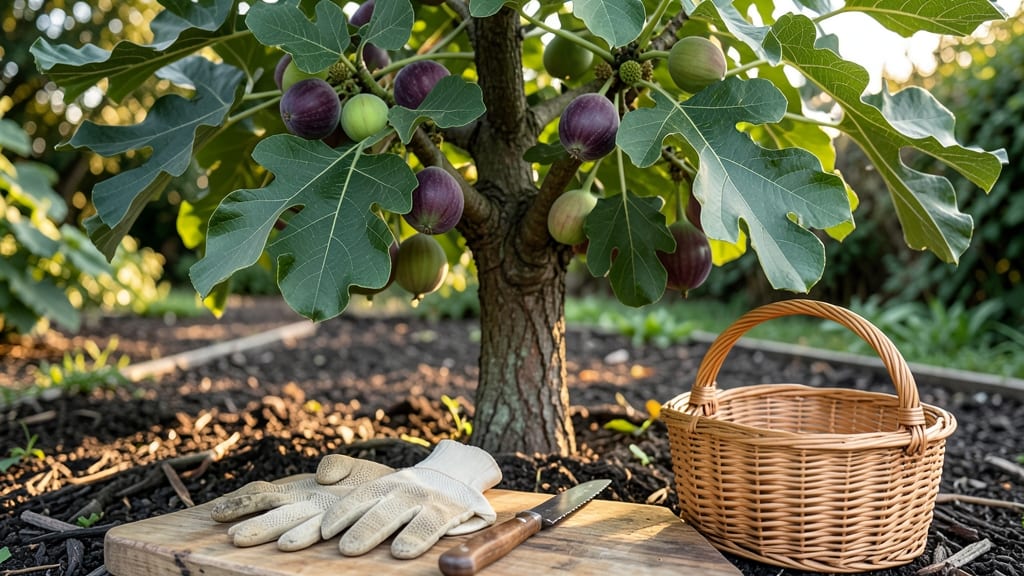
Ripe figs fruit turn from green to deep purple, brown, or yellow—depending on the variety—and yield slightly when gently pressed 🍈.
If you’ve ever bitten into a fig that’s still hard on the inside or mushy and mealy, you know how frustrating it can be. The difference between a perfectly sweet fig and one that’s past its prime comes down to a few simple checks.
Climate, variety, and even how you water and prune your fig tree can speed up or slow down ripening. But once you know what to look for—color changes, texture shifts, and even the smell—you’ll never second-guess when to harvest again.
Below, I’ll walk you through the three foolproof ways to test fig ripeness, plus tips to keep your harvest at its peak flavor for days.


3 Visual signs your figs are perfectly ripe
Figs are one of nature’s most rewarding fruits, but determining the perfect ripeness can be tricky. Unlike apples or bananas, figs don’t ripen well off the tree—so spotting them at peak flavor means no more hard, flavorless bites or mushy disappointments.
The key lies in three visual cues: color transformation, skin texture, and stem changes. Master these, and you’ll never miss a harvest again.
First, let’s address the color shift, which is the most obvious sign. Unripe figs are usually green or pale, but as they mature, they develop vibrant hues like deep purple, brown, or yellow, depending on the variety.
For example, Brown Turkey figs turn a rich amber, while Black Mission figs develop a deep burgundy color. This change signals the fruit’s sugars are converting into that sweet, jelly-like texture we all love.
Now, let’s talk skin texture. A ripe fig’s skin should feel slightly soft when gently pressed—almost like a ripe peach. If it’s hard and resistant, it’s not ready yet. On the flip side, if it feels squishy or leaks when touched, it’s overripe.
Think of it like testing a watermelon: a ripe fig should give just enough to know it’s ready, but not so much that it collapses under pressure.
Finally, check the stem and base of the fig. When perfectly ripe, the stem will start to dry out and brown, and the fig may even begin to detach slightly from the branch with a gentle twist. This is your tree’s way of saying, “It’s time to pick me!”
If the fig doesn’t budge or the stem is still green, it’s not ready yet. This final check is especially useful for container-grown figs, where visual cues can be harder to spot.
| Sign | Ripe Fig | Unripe Fig | Overripe Fig |
|---|---|---|---|
| Color | Deep purple, brown, or yellow (varies by type) | Green or pale | Dull, bruised, or splitting |
| Texture | Slightly soft, yields to gentle pressure | Hard and firm | Mushy, leaks when pressed |
| Stem/Base | Dry, brown, detaches with twist | Green, firmly attached | Shriveled or rotting |
| Aroma | Sweet, honey-like scent | Neutral or none | Fermented or sour |
One common mistake I see is assuming all figs ripen the same way. Variety matters—for instance, Chicago Hardy figs stay green longer, while Celeste figs turn a soft yellow. Always check your specific variety’s ripeness guide for the most accurate cues.
If you’re unsure, start harvesting a few days early and let them ripen indoors on your counter—they’ll soften and sweeten up beautifully.
For those growing figs in cooler climates, like Zone 6, ripening can be slower. If your figs aren’t changing color by late summer, try placing them in a sunny indoor spot or near a heat source.
A ripe fig’s color shift is often the first sign that nature’s clock is ticking—don’t miss it! Once you’ve mastered these visual cues, you’ll be harvesting figs at their peak every season.
Pro tip: If you’re still unsure, try the squeeze test—press the fig gently with your thumb. A ripe fig will feel like a soft, yielding sponge, while an unripe one will bounce back like a stress ball.
Overripe figs, however, will feel mushy and may leave residue on your fingers. This tactile feedback is your backup plan when colors are tricky to distinguish.
Remember, figs don’t ripen well after picking, so timing is everything. Once you’ve nailed these three visual signs, you’ll transform your fig harvest from a gamble into a guaranteed sweet success. Now go enjoy that jelly-like perfection without the guesswork!
🍈
How to test fig ripeness: the squeeze and smell method
Once you’ve checked the visual cues, it’s time to put your senses to work. The squeeze test and smell method are the final proof that your figs are ready to eat. These tactile and olfactory clues often reveal ripeness before the fruit even changes color.
I’ve learned that a ripe fig has a slight give when pressed gently—like the difference between a ripe avocado and a hard one.
Figs also release a sweet, honey-like aroma when fully ripe. This isn’t just a subtle hint; it’s a clear signal that the fruit’s sugars have fully developed. If your figs aren’t giving off that scent yet, they’re likely still maturing.
Trust me, this method works even for green fig varieties, where color changes can be less obvious.
🌱 Pro Tip for Perfect Figs
Squeeze gently: Press your thumb into the fig’s skin. A ripe fig should yield 1-2mm without feeling mushy. Overripe figs will dent deeply or leak latex. Smell the stem: Hold the fig near your nose—ripe figs emit a fruity, almost floral scent. If it smells neutral or sour, wait a day or two.
For container-grown figs, these tests are even more critical since their ripening can be affected by pot size and watering habits. I’ve noticed that potted figs often ripen faster in hot weather, so I double-check with the squeeze test to avoid missing the window.
If the fig feels firm but not hard, it’s likely just a day or two away from peak ripeness.
Don’t overlook the stem separation test—another key indicator. A ripe fig will detach easily from the branch with a slight twist. If it resists, it’s not ready yet. This is especially useful for tree-grown figs, where visual checks alone might not be enough.
Pair this with the smell test, and you’ll never pick a fig too early or too late again.
Once you’ve confirmed ripeness, act fast! Figs continue to ripen after picking, but they won’t improve beyond their current state. Store them at room temperature for up to 3 days, or refrigerate to slow the process.
If you’re unsure, pick a few figs at different stages and monitor them daily—they’ll ripen at their own pace.
Mastering these tests means you’ll always enjoy figs at their peak sweetness, with that perfect jelly-like texture. The next time you’re standing under your fig tree, take a moment to squeeze, sniff, and savor the moment—because ripe figs are nature’s sweetest reward. 🍈