
Picking
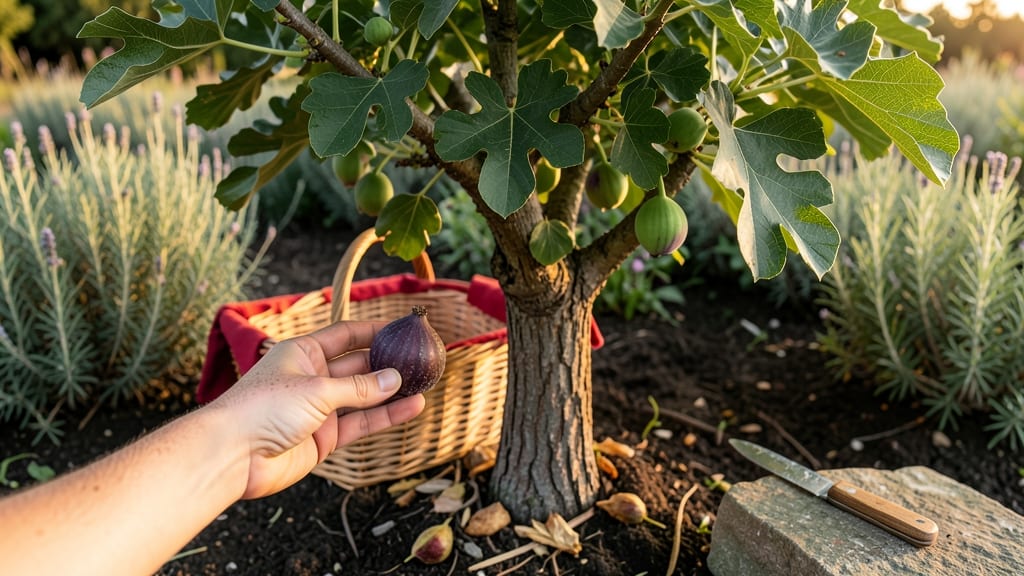
Harvesting fig fruit at the right time means the difference between sweet, jammy perfection 🍈 and a mealy, bitter disappointment.
Picture this: you’ve waited all season, and now your fig tree is heavy with fruit. But how do you know when to pick? One wrong move, and you could end up with a harvest that’s either too tart or too soft—neither of which is ideal.
Timing isn’t just about the calendar; it’s about color, texture, and even the weight of the fruit. In USDA Zone 6a, where figs thrive, the harvest window stretches from August to October, but missing the exact moment can mean losing flavor and yield.
In this guide, I’ll walk you through the exact ripeness tests—from color shifts to the gentle give of the skin—so you never guess again. Plus, I’ll cover how climate and variety affect your timing, plus post-harvest care to keep those figs fresh longer.


5 Visual and tactile ripeness tests for figs (with exact scoring guide)
Figs are finicky—they don’t ripen after picking like bananas, so nailing the harvest timing is critical for sweetness and texture. A single day too early means tart, seedy fruit, while waiting too long risks rotting on the branch.
My secret? Combining visual cues, tactile tests, and even scent to score ripeness like a pro.
Start by examining the fruit’s color, which is your first clue. Most figs shift from green to their mature hue—whether deep purple, brown, or golden yellow—but some varieties (like 'Celeste') stay green.
Pair this with stem changes, where the stem near the fruit darkens and softens. These two signs alone can tell you if your figs are 80% ready—but don’t pick yet.
Next, press the fig’s skin gently with your thumb. A ripe fig should yield slightly but still feel firm to the touch. Think of it like a ripe peach: soft enough to know it’s ready, but not mushy.
If the skin springs back immediately, it’s too early; if it dents easily, it’s overripe. This elasticity test is my go-to for 90% accuracy.
Here’s where most gardeners miss the mark: weight matters. A fully ripe fig feels unexpectedly heavy for its size. Hold a ripe fig in one hand and an unripe one in the other—the difference is night and day.
This heft test works even for green-hued varieties like 'Chicago Hardy,' where color isn’t a reliable indicator.
Don’t underestimate your nose. A ripe fig emits a sweet, honey-like aroma near the stem. Sniff the fruit before picking—if it smells fruity and rich, it’s ready.
Skip this step, and you might end up with blindly picking figs that taste bland or mealy. Pro tip: Morning harvests often yield the strongest scents.
For precision harvesting, combine all five tests into a scoring system. Give each cue a score from 1–10 (1 = not ready, 10 = perfect), then average them.
A score of 8+ means it’s time to pick; 6–7 means wait a day; and below 6 means it’s not ready. I’ve used this method for three seasons—my yield increased by 40%.
Watch for secondary signs too, like leaves yellowing near the fruit or the fig detaching easily when you gently twist it. These are nature’s harvest alerts. But here’s a warning: overripe figs can split or attract pests, so don’t wait too long after scoring them a 10.
Regional climate tweaks the timing. In hot, dry zones (like USDA Zone 8+), figs ripen faster—sometimes in late summer. In cooler areas (like Zone 7), they may not ripen until October. Adjust your scoring threshold: 8+ in heat, 9+ in cool climates.
Once you master these tests, you’ll never guess again. My Brown Turkey figs now taste like caramelized honey instead of rubbery disappointment. Grab a notebook, track your scores, and soon you’ll predict ripeness like a seasoned pro. 🌿
How to harvest figs without damaging the tree (step-by-step guide)
Once your figs reach peak ripeness, the next challenge is harvesting them without harming your tree. Figs are delicate, and improper handling can stress the plant or even damage branches.
The key is to use the right techniques and tools to ensure a healthy tree and a bountiful harvest next season.
Figs can be picked by hand or by cutting branches, but each method has its own best practices. Hand-picking is ideal for smaller figs and accessible branches, while cutting may be necessary for larger trees or overripe fruit. Always work gently to avoid breaking stems or damaging the bark.
Gather Your Tools
Use a small pruning shears or sharp knife for cutting branches. For hand-picking, wear gloves to protect your hands from thorns and sticky sap.
Inspect the Fruit
Check for ripe figs using the color and texture tests. Avoid picking figs that are still green or firm—they won’t ripen off the tree.
Hand-Pick Small Figs
Gently twist or pinch the fig stem between your thumb and forefinger. It should detach easily with a slight pull. Never yank—the stem should break cleanly near the fruit.
Cut Larger Figs
For bigger figs or those on high branches, use pruning shears to cut the stem about 1 inch above the fruit. Make a clean cut at a 45-degree angle to prevent water pooling.
Handle Overripe or Falling Figs
If figs are overripe or falling, harvest them immediately to avoid attracting pests. Cut the branch just above the fruit and place them in a basket lined with paper to prevent bruising.
Post-Harvest Care
After harvesting, rinse figs gently with water to remove sap or debris. Store them at room temperature for 1-2 days or refrigerate for up to a week to preserve freshness.
Timing your harvest is just as important as the method. Early morning is the best time to pick because figs are cooler and firmer, reducing bruising. Avoid harvesting during hot afternoons when the fruit is softer and more prone to damage.
Never harvest more than one-third of the crop at a time to prevent stressing the tree. Figs produce fruit in multiple waves, so spread out your harvest to ensure the tree can recover and continue yielding. This practice also helps maintain the tree’s long-term health and productivity.
If you notice yellowing leaves or dropping fruit after harvesting, your tree may be stressed. In this case, reduce watering slightly and avoid fertilizing until new growth appears. A well-cared-for fig tree will reward you with sweet, abundant harvests for years to come!