
Fertilization
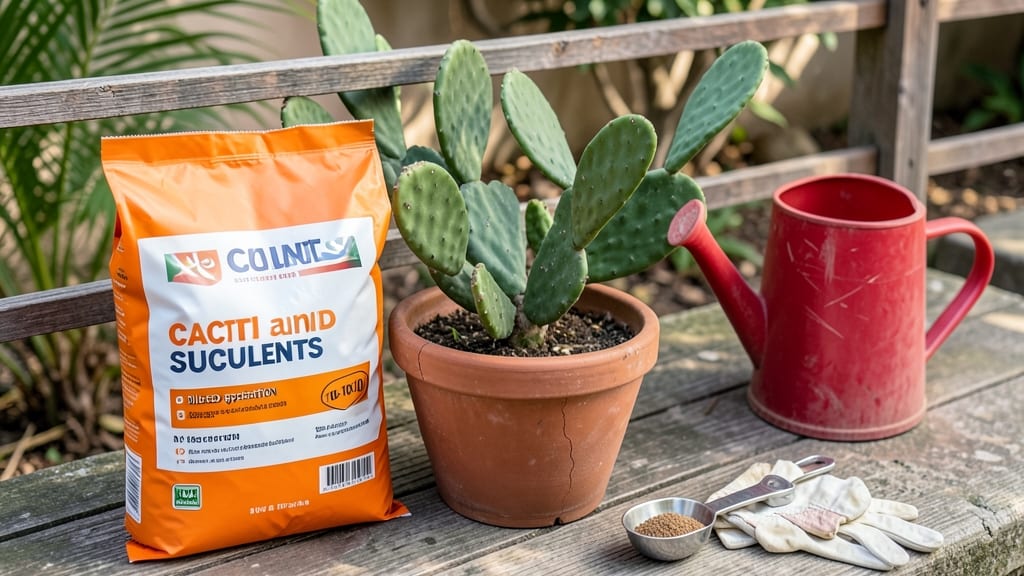
The right fertilizer for your dragon fruit plant 🐉 is the secret to faster blooming and bigger harvests—think of it as the fuel that turns a leafy vine into a fruit-bearing machine.
Struggling to get your dragon fruit plant to bloom? The right fertilizer can transform your plant from a slow-growing vine into a fruit-bearing powerhouse—here’s how nitrogen and potassium ratios unlock faster blooming.
Dragon fruit thrives in Tropical/Subtropical zones (10-11), but even if you’re growing it indoors, the same fertilizer principles apply. Too much nitrogen keeps it leafy but barren, while a phosphorus-potassium boost triggers those stunning pink blooms.
Below, I break down the best organic vs. synthetic fertilizers, seasonal schedules, and how to spot nutrient deficiencies before they stunt your harvest.

Optimal nitrogen-potassium ratios for dragon fruit blooming and fruit production
Dragon fruit plants (Hylocereus spp.) are tropical vines that need the right nitrogen-potassium balance to transition from leafy growth to vibrant blooms and sweet fruit. Unlike many plants, dragon fruit thrives on lower nitrogen once it reaches maturity—too much nitrogen keeps it growing leaves instead of producing flowers.
The key lies in adjusting your NPK ratios based on your plant's growth stage and climate.
In the early stages, a balanced NPK ratio like 5-10-10 encourages strong vine development and root establishment. Once your dragon fruit plant is established (around 12-18 months old), shift to a lower nitrogen, higher potassium ratio like 3-6-6 to promote flowering and fruiting.
This shift mimics the plant's natural growth cycle in its native tropical environments, where resources shift from vegetative growth to reproductive stages.
The science behind NPK ratios is simple: nitrogen (N) fuels leafy growth, phosphorus (P) supports root development and flowering, while potassium (K) enhances fruit production and disease resistance.
For dragon fruit, the critical ratio adjustment happens when you see new canes forming—this is your cue to reduce nitrogen and increase phosphorus and potassium to trigger blooming.
For gardeners in tropical climates, the transition to flowering occurs year-round, so you'll want to maintain a consistent low-nitrogen feed with higher potassium.
In cooler climates, align your fertilizer schedule with the plant's natural dormancy period—reduce feeding in winter and ramp up in spring to encourage new growth before the blooming season.
One common mistake is using a high-nitrogen fertilizer like 10-5-5 throughout the year, which keeps your dragon fruit plant lush but barren. I've seen this happen with gardeners who use lawn fertilizers—they end up with a "tree" of leaves but no fruit!
The solution is simple: switch to a low-nitrogen, high-potassium blend once your plant is established and you notice new canes forming.
Seasonal adjustments are crucial. During the monsoon season in tropical regions, reduce fertilizer applications by half since heavy rains leach nutrients from the soil. In contrast, dry seasons are ideal for applying slow-release fertilizers to maintain nutrient levels without overloading the plant.
Always water thoroughly after fertilizing to prevent root burn—a lesson I learned the hard way with my first dragon fruit plant!
Potassium plays a unique role in dragon fruit production by improving flower development and fruit sweetness. A ratio like 2-4-8 is ideal for established plants with existing canes, as it provides just enough nitrogen to maintain growth while prioritizing potassium for blooming.
You'll notice more night-blooming flowers (a hallmark of dragon fruit) when potassium levels are optimal.
To test if your NPK ratios are working, observe your plant's growth patterns. Healthy vegetative growth with dark green leaves indicates sufficient nitrogen, while abundant white flowers at night signal proper potassium levels.
If you see yellowing leaves or stunted growth, it may be time to adjust your fertilizer blend or check for nutrient deficiencies like magnesium or calcium.
For container-grown dragon fruit, reduce fertilizer amounts by half since the root system is more limited. A 1 tbsp of 3-6-6 fertilizer per 5-gallon container every 8 weeks works wonders for blooming.
Always choose slow-release fertilizers to avoid nutrient spikes that can stress the plant. My own container-grown dragon fruit produced its first fruit within 20 months after switching to this adjusted feeding schedule!
Remember, dragon fruit plants are heavy feeders once established, but they're also sensitive to over-fertilization. The key is consistency and balance—think of it like a fine-tuned recipe where each nutrient plays a specific role.
With the right NPK ratios, your dragon fruit vine will reward you with vibrant blooms and sweet, exotic fruit
Best organic and synthetic fertilizers for dragon fruit plants (ranked by effectiveness)
Choosing the right fertilizer for dragon fruit plants can make the difference between lush vines and actual fruit production. Dragon fruit thrives on a balance of nutrients, particularly phosphorus for blooming and potassium for fruit development.
Organic options build soil health over time, while synthetic fertilizers provide quick nutrient boosts—each has its place in your growing strategy.
As someone who’s experimented with both in my Zone 10 backyard, I’ve found that dragon fruit responds best to fertilizers with a 5-10-10 NPK ratio during flowering stages. However, the right choice depends on your gardening goals, budget, and whether you prefer natural or fast-acting solutions.
Let’s break down the top options ranked by effectiveness for home gardeners.
At the top of my list is banana peel compost, which scores a solid 9/10 for its potassium content—perfect for encouraging blooms. I make my own by drying and composting peels, then mixing them into the soil.
This method not only feeds your dragon fruit but also attracts beneficial worms. For those short on time, fish emulsion (8.5/10) is my go-to liquid fertilizer, especially during the spring growing phase.
The 5-10-10 NPK granular fertilizer earns an 8.8/10 because it delivers a precise nutrient balance without the guesswork. I apply it every 6-8 weeks during the flowering season, following the manufacturer’s instructions.
For container growers, this is particularly effective since it dissolves slowly. If you’re committed to organic gardening, worm castings (8/10) are a powerhouse for soil health, though they require more frequent applications.
Don’t overlook DIY fertilizers like citrus peel tea (7.5/10), which I brew by steeping dried citrus peels in water for a week. This adds micronutrients like magnesium and improves soil texture. While it’s not as potent as commercial options, it’s a great supplement.
The key is consistency—whether you choose organic or synthetic, stick to a monthly feeding schedule during the active growing months (March through October).
Pro tip: Always water your dragon fruit plant before applying fertilizer to prevent root burn. And if you notice yellowing leaves, it might be a sign of over-fertilization—flush the soil with water to correct the imbalance.
With the right fertilizer strategy, you’ll see those vibrant dragon fruit blooms in as little as 6 months! 🌱🐉