
Vegetables
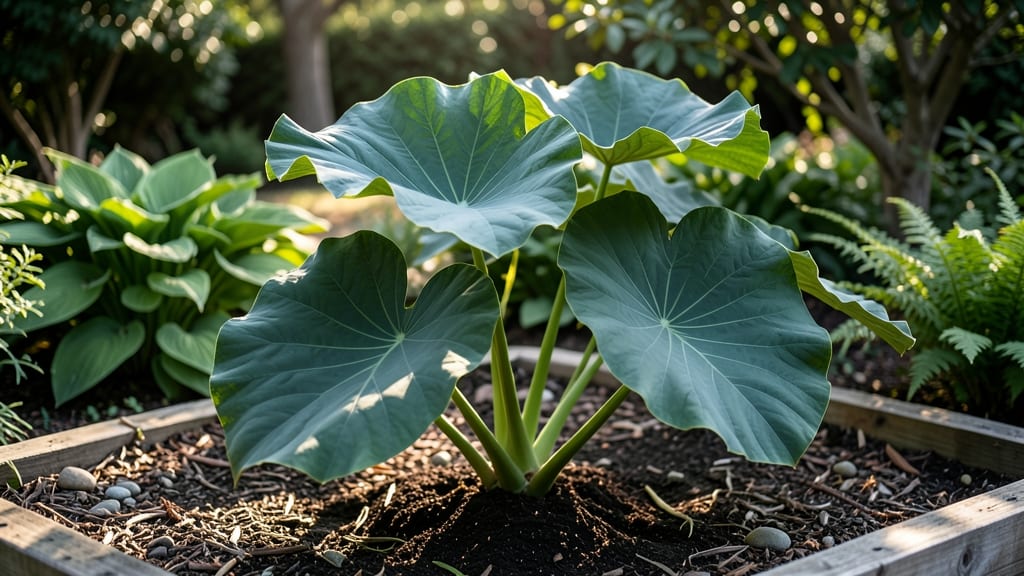
Elephant ears fruit, also called Xanthosoma sagittifolium, produces edible corms and shoots with a nutty, potato-like flavor that works beautifully in tropical dishes. These starchy tubers thrive when harvested at peak ripeness—look for yellowing leaves—and can be prepared like taro or yams for hearty meals.
This tropical tuber packs a flavor profile that bridges the gap between potatoes and chestnuts, making it a favorite in Caribbean and Latin American cooking. 🌿 The corms, which grow underground, are particularly prized for their ability to absorb flavors—try roasting them with garlic and herbs for a rich side dish.
What sets elephant ears apart is their adaptability: they hold up well to frying, boiling, or even baking, offering a textural contrast in stews and soups that’s hard to match.
When shopping for elephant ears, focus on the leaves: the edible varieties (Xanthosoma) have smooth, arrow-shaped leaves with prominent veins, while their toxic look-alikes (Alocasia) often feature jagged edges.
Always peel the corms before cooking to remove any bitter skin, and store them in a cool, dark place for up to a week—though they’re best used fresh for maximum flavor.
💡 In This Article
- Identifying Edible vs Poisonous Elephant Ears Varieties
- Cooking and Culinary Uses for Elephant Ears Fruit
Identifying edible vs poisonous elephant ears varieties
The key to safely identifying edible elephant ears lies in understanding the botanical differences between Xanthosoma (safe) and Alocasia (toxic). Start with the leaves: Xanthosoma varieties like X. sagittifolium have smooth, arrow-shaped leaves with parallel veins that taper to a point, resembling an arrowhead.
The leaf edges are typically smooth or slightly wavy, with a glossy, deep green surface. In contrast, Alocasia leaves often feature jagged, serrated edges and a more leathery texture, with veins that can appear more prominent and irregular.
Another critical marker is the plant's growth pattern. Edible Xanthosoma corms grow underground in clusters, resembling small potatoes or yams, with a fibrous outer skin that peels away easily. The flesh inside is typically white or pale yellow when raw, turning translucent when cooked.
Meanwhile, Alocasia corms contain calcium oxalate crystals, which can cause severe irritation or poisoning if ingested. The toxic varieties also often produce a milky sap when cut, a clear warning sign to avoid them entirely.
Always cross-reference with trusted botanical sources or consult a local expert before consuming any wild-harvested tubers.
When harvesting, focus on the plant's maturity: the leaves of edible varieties will naturally yellow and wilt as the corms reach peak ripeness, typically in late summer or early fall. The corms themselves should feel firm but yield slightly when pressed—like a ripe potato.
For shoots, select young, tender growths that are still pale green and haven't developed tough fibers. Remember, the corms are the most prized part, offering a starchy, nutty flavor similar to potatoes or chestnuts, while the shoots have a milder, slightly sweet taste akin to asparagus.
Here’s a quick visual checklist for identification:
- Leaf Shape: Smooth, arrowhead-shaped with parallel veins (Xanthosoma) vs. jagged edges and irregular veins (Alocasia)
- Corm Appearance: White/pale yellow flesh, peels easily (Xanthosoma) vs. fibrous, milky sap (Alocasia)
- Texture: Glossy, deep green leaves (Xanthosoma) vs. leathery, matte leaves (Alocasia)
If you're unsure, start with store-bought Xanthosoma corms labeled as "elephant ears" or "tannia" to build familiarity with their taste and texture. This will help you confidently recognize the real deal in the wild or garden. 🌱
The stakes are high here—misidentification can lead to gastrointestinal distress or worse. Always err on the side of caution, especially if foraging in unfamiliar areas where toxic look-alikes might thrive. When in doubt, treat any unknown tuber as potentially dangerous until properly verified.