
Pruning
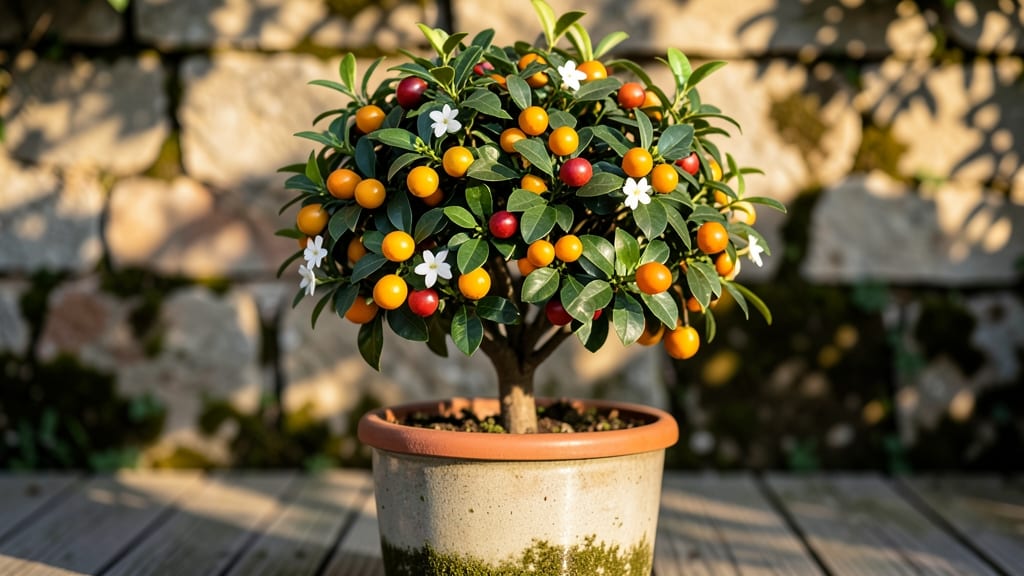
Your dwarf fruit cocktail tree could be the star of your patio this summer—packing citrus, berries, and tropical flavors into one compact, ever-bearing plant. 🌱 I’ve grown mine in a 15-gallon container for three seasons now, and it produces enough fruit to make homemade cocktails all year (with a little greenhouse help in winter).
The key isn’t just the variety—it’s the right balance of sunlight, pruning, and soil that keeps it small but productive.
Start with well-draining potting mix (equal parts compost, perlite, and cactus soil) and a container with drainage holes—your tree hates soggy roots. Place it in full sun (6+ hours daily) and water when the top inch of soil feels dry, cutting back in winter when growth slows.
Feed with a balanced organic fertilizer every 6 weeks during fruiting season, but skip the heavy nitrogen—it’ll prioritize leaves over fruit.
Pruning is where the magic happens: trim back leggy branches after harvest to encourage bushier growth, and shape it like a rounded dome for easier container living. With the right care, you’ll harvest tiny oranges, grapes, and even passionfruit—perfect for garnishing drinks or snacking straight from the tree.
The best part? It stays under 4 feet tall, so it fits on balconies, decks, or sunny windowsills.
Watch for aphids (spray with neem oil) and root rot (never let it sit in water), and bring it indoors before 28°F temperatures. My tree’s now so reliable that I’ve started a “cocktail tree cocktail” tradition—fresh lime, grape, and citrus all from one plant. Ready to grow yours?
📚 In This Guide
- What you need
- Instructions
- Tips and common mistakes
- Wrapping up and next steps
What you need
- ● Dwarf fruit cocktail tree sapling (1-2 plants) – Choose a young, healthy tree (3-5 ft tall) grafted with multiple fruit varieties (e.g., citrus + berries). Look for Citrus × aurantium or Poncirus trifoliata hybrids.
- ● Large container (15-25 gallons) – Ensure it has drainage holes and is at least 18-24 inches deep with a 16-inch diameter for root growth.
- ● Well-draining potting mix (2-3 bags) – Use a blend of 50% premium potting soil, 30% perlite or pumice, and 20% compost.
- ● Pruning shears (bypass or anvil) – Sharp, sterilized tools (size 6-8 inches) for clean cuts.
- ○ Gloves (optional but recommended) – Heavy-duty gardening gloves to protect from thorns or sap.
- ● Slow-release fertilizer (10-10-10 or citrus-specific) – 2-3 tablespoons per gallon of soil at planting.
- ● Mulch (straw or bark chips) – 1-2 inches to retain moisture and regulate temperature.
- ○ Support stake or trellis (optional for heavy fruit) – 4-6 ft tall bamboo or metal stakes.
- ● Container saucer or tray – To catch runoff and prevent messes.
- ● pH testing kit – Ideal range for dwarf fruit trees: 6.0-7.0.
- ● Citrus food or organic worm castings – Boosts micronutrients for fruiting.
- ● Spray bottle with neem oil – Natural pest deterrent for aphids or mites.
- ● Grow lights (LED, full-spectrum) – If indoors, provide 12-14 hours of light daily.
Step-by-step instructions for growing a dwarf fruit cocktail tree in containers
Here's how I keep these space-saving trees thriving year-round with minimal fuss.
🌱 Step 1: Select the Right Container and Soil Mix
Choose a 12-15 gallon container with drainage holes—these trees need room for roots but won't outgrow a large pot. I use unglazed terra cotta because it breathes and prevents root rot. Fill the bottom 2 inches with gravestones or coarse gravel for extra drainage.
Next, mix 2 parts potting soil with 1 part perlite—this keeps the roots aerated while holding moisture. The soil should feel like a damp sponge, not soggy. I always add 1 tablespoon of slow-release fertilizer to the mix to give the tree a nutrient boost right from planting.
🌿 Step 2: Plant Your Tree and Position for Success
Remove the tree from its nursery pot and gently loosen the roots if they're circling. Place it in the container so the top of the root ball sits 1 inch below the rim—this prevents water from spilling over when you water. Fill the sides with your soil mix, pressing lightly to eliminate air pockets.
Here's the thing—sunlight is critical. These trees need 6-8 hours of direct sun daily, but they'll tolerate morning sun and afternoon shade in hot climates. If you're in a shady spot, supplement with a grow light for 12-14 hours daily. You'll notice leaves yellowing or stretching if light is insufficient.
💧 Step 3: Water and Fertilize for Healthy Growth
Water deeply until it drains from the bottom every 5-7 days, checking when the top 2 inches of soil feel dry. Overwatering is the #1 killer—yellow leaves or mushy stems mean you're drowning the roots. I always water in the morning so excess moisture evaporates during the day.
Feed your tree every 4-6 weeks with a balanced liquid fertilizer (10-10-10 works well). During fruiting season, switch to a high-phosphorus formula (like 5-10-5) to encourage blooms. You'll see new growth within 2-3 weeks of fertilizing if the tree is healthy.
✂️ Step 4: Prune and Maintain Year-Round
Prune in late winter or early spring before new growth starts. Cut back 1/3 of the oldest branches to encourage bushier growth and remove any dead or crossing branches. I also pinch off new growth tips in summer to promote branching—this keeps the tree compact and full.
Watch for pests like aphids or scale on the undersides of leaves. Spray with neem oil at the first sign of trouble. In winter, reduce watering to every 10-14 days and move the tree away from cold drafts. You'll know it's happy when it produces small, colorful fruits within 1-2 years.
Tips & tricks for perfect dwarf fruit cocktail tree care
These simple strategies will help you keep your compact fruit tree thriving in containers—no green thumb required!
Container Selection: While the instructions recommend 12-15 gallon containers, I've found that 18-gallon containers give you a little extra room for root growth without becoming unwieldy. Look for ones with multiple drainage holes—this prevents waterlogging, which is the #1 cause of root rot in container trees. I also recommend choosing containers with feet or casters to make moving your tree easier for sunlight adjustments.
Soil Mix Pro Tip: The 2:1 ratio of potting soil to perlite is perfect, but here's what I do differently: I add 1/4 cup of worm castings to the mix for extra nutrients. Worm castings improve soil structure and provide beneficial microbes that help your tree absorb nutrients more efficiently. If you can't find worm castings, compost works too—just make sure it's well-aged to avoid introducing weeds.
Lighting Strategy: The 6-8 hours of direct sun is ideal, but if you're in a low-light situation, I recommend using a full-spectrum LED grow light instead of a basic bulb. These lights mimic natural sunlight and can help your tree thrive even in apartments. Position the light about 12 inches above the tree and adjust as the tree grows. You'll notice new leaves forming more quickly with proper grow lighting.
Watering Wisdom: The 5-7 day watering schedule works well, but here's how to check more precisely: Stick your finger about 2 inches into the soil. If it feels dry at that depth, it's time to water. I also recommend using room temperature water—cold water can shock the roots. For extra insurance against overwatering, I add a layer of pebbles on top of the soil to help regulate moisture evaporation.
Pro Tips for Dwarf Fruit Cocktail Tree
- These simple strategies will help you keep your compact fruit tree thriving in containers—no green thumb required!
- Container Selection: While the instructions recommend 12-15 gallon containers, I've found that 18-gallon containers give you a little extra room for root growth without becoming unwieldy.
- Soil Mix Pro Tip: The 2:1 ratio of potting soil to perlite is perfect, but here's what I do differently: I add 1/4 cup of worm castings to the mix for extra nutrients.
Frequently asked questions
How often should I prune my dwarf fruit cocktail tree?
Prune your tree twice a year: once in late winter (before new growth) to shape it and remove dead wood, and again in early summer after fruiting to encourage new branches. Light trimming between harvests keeps it tidy! Pro tip: Use sterilized tools to avoid disease.
Can I keep a dwarf fruit cocktail tree indoors year-round?
While these trees love outdoor containers, they thrive best outdoors (even in partial shade). If you must bring it inside, place it near a sunny window (6+ hours of light) and use a grow light in winter. Watch for leaf drop—a sign of stress! Move it back outside in spring.
Why isn’t my dwarf fruit cocktail tree producing fruit?
Lack of fruit often stems from poor pollination, young age (they need 2–3 years to mature), or nutrient deficits. Hand-pollinate with a brush, ensure it gets full sun (6+ hours), and fertilize with citrus-specific food in spring. Check for pests too—aphids or spider mites can stress the tree.
What’s the best temperature range for a dwarf fruit cocktail tree?
These trees love warmth but hate extremes: ideal temps are 65–85°F (18–29°C). Protect from frost (below 30°F/-1°C) by moving containers indoors or covering with frost cloth. Avoid drafts or sudden temperature swings, which can shock the tree and stunt growth.
Are there dwarf fruit tree alternatives with similar care?
Yes! If your cocktail tree seems high-maintenance, try these low-maintenance dwarf options:
- Dwarf Meyer Lemon – Hardy, fragrant, and great for containers.
- Dwarf Fig (e.g., ‘Little Miss Figgy’) – Thrives in heat and produces sweet fruit.
- Dwarf Orange (e.g., ‘Calamondin’) – Compact, cold-tolerant, and dual-purpose (fruit + ornamental).
All three need similar sun, soil, and pruning—just pick your favorite flavor!
Wrapping up and next steps
Growing a dwarf fruit cocktail tree in containers is a rewarding way to enjoy year-round harvests without the space! With the right pruning techniques, you’ll keep your tree healthy, productive, and compact—perfect for patios or small gardens. Start small, stay consistent, and watch your little orchard thrive!
Ready to take the next step? Pick a sunny spot, grab your tools, and begin pruning today! 🌱✂️