
Companion Plants
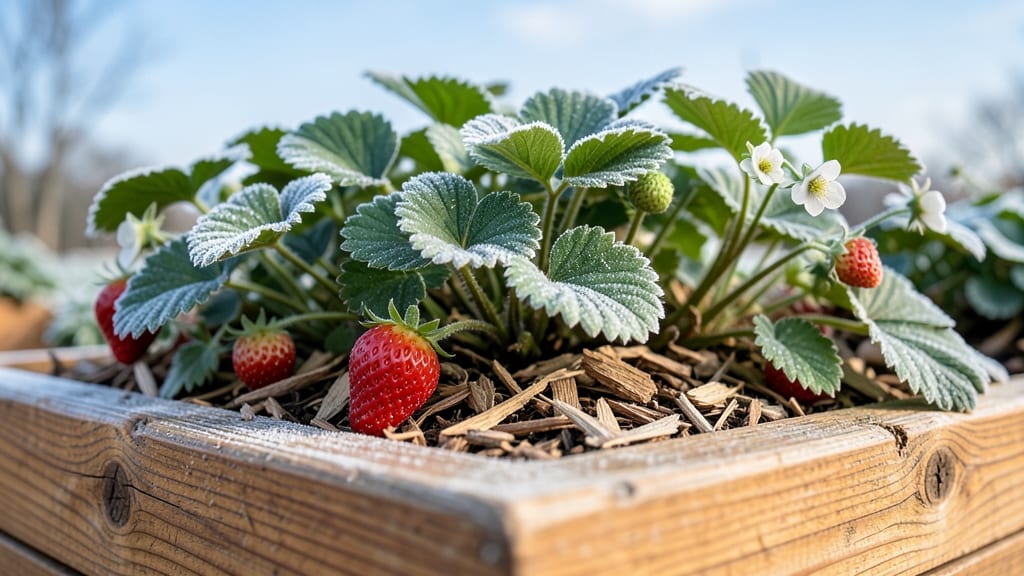
Zone 4 gardeners face harsh winters, but these cold-hardy fruit plants thrive even in sub-zero temperatures. Discover the most resilient varieties that produce bountiful harvests despite brutal conditions, perfect for extending your growing season.
Honeycrisp Apple Trees
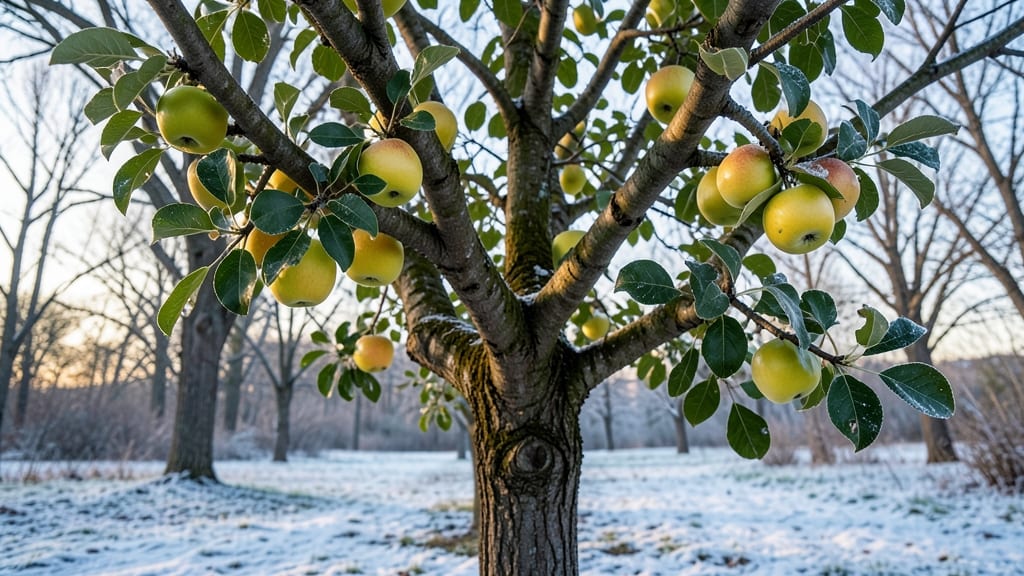
If you crave juicy, sweet-tart apples but live in Zone 4’s brutal winters, the Honeycrisp variety is your perfect match. This award-winning apple survives temperatures as low as -30°F without extra protection, making it one of the most reliable choices for backyard orchards.
Beyond its disease resistance (including fire blight and scab), Honeycrisp trees thrive with minimal care—just full sun and well-drained soil. They produce high-quality fruit every year, with trees maturing in 5-7 years and bearing 50-100 pounds of apples annually. The flavor? A crisp, honey-sweet balance that’s far superior to store-bought varieties.
This variety is ideal for small spaces (dwarf varieties available) and urban gardeners who want homegrown fruit without the fuss. With proper pruning, you’ll enjoy reliable harvests for decades. 🌟
Arctic Kiwi Vine
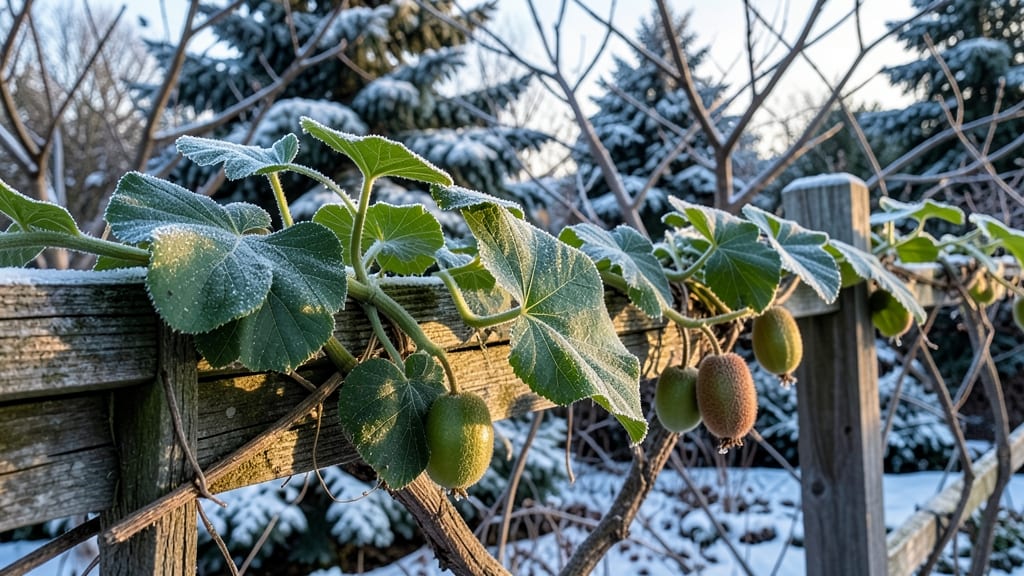
Tired of tropical fruits that freeze at the first frost? The Arctic Kiwi Vine is your game-changer—a cold-hardy vine that thrives in Zone 4 winters down to -25°F without needing a greenhouse. This isn’t your average kiwi; it’s the only variety that survives brutal northern climates while still delivering those sweet, tangy fruits you love.
Train this vigorous vine on a trellis or arbor for vertical growing space, and watch it produce green, egg-sized fruits by late summer or early fall. While it’s not as large as commercial kiwis, the flavor is just as delicious. For best results, plant in full sun to partial shade and protect young vines with winter mulch until established. Pollination is key—plant two vines for cross-pollination to ensure fruit set.
This is the perfect choice for gardeners who want exotic harvests without the fuss of greenhouse growing. Whether you’re training it along a fence or dressing up an arbor, the Arctic Kiwi Vine adds a touch of the unusual to your Zone 4 garden. 🌱
Saskatoon Berry Bushes
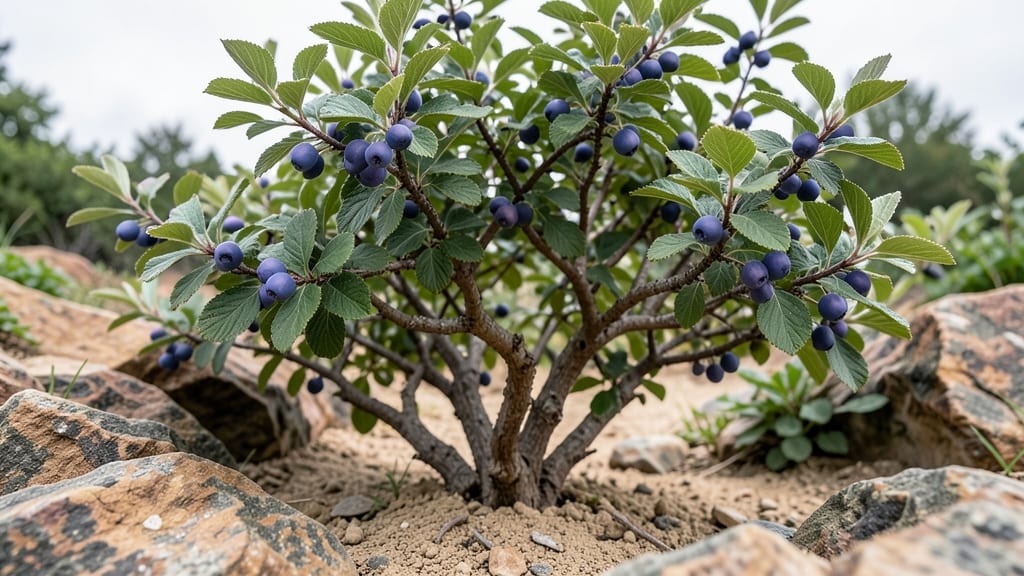
If you're looking for a low-maintenance fruit plant that actually wants to grow in your Zone 4 garden—even in rocky or sandy soil—Saskatoon berry bushes are your secret weapon. These hardy shrubs are native to northern North America and Canada, where they've survived -40°F winters for centuries without any extra care.
Beyond their incredible cold tolerance, Saskatoon berries are nitrogen-fixing, meaning they improve your soil as they grow. Plant them in full sun to partial shade, and you'll get clusters of sweet, plum-like berries in early summer that taste like a mix of blueberries and apricots. The bushes also provide beautiful white spring flowers and vibrant fall foliage, making them a year-round star.
Perfect for homesteaders, urban gardeners with limited space, or anyone tired of fussing over finicky fruit plants, these shrubs thrive in containers or directly in the ground. They're also a great pollinator magnet! 🌱
Cold-Hardy Blueberry Bushes
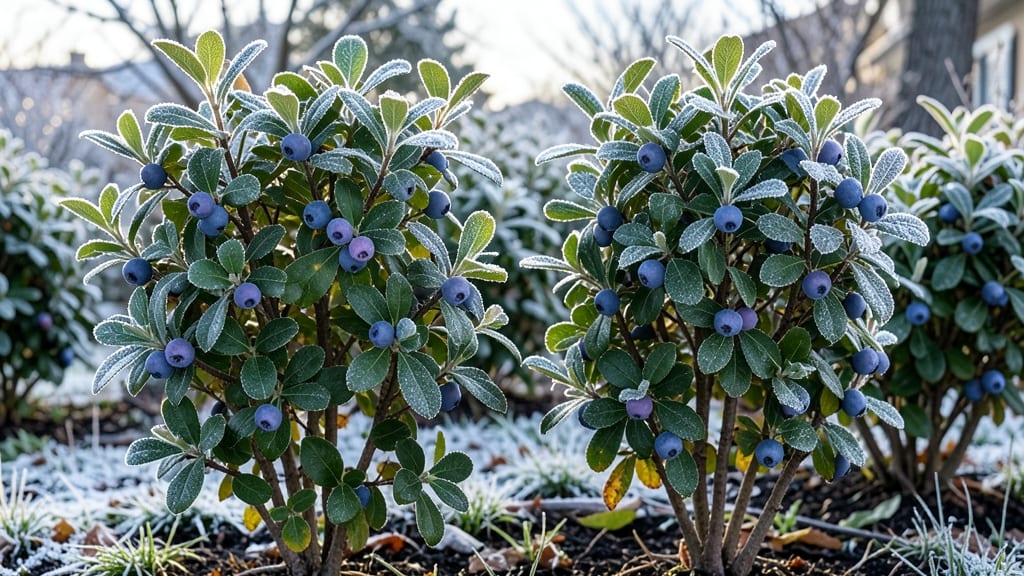
Tired of fruit plants that struggle in Zone 4 winters? Patriot and Bluegold blueberry bushes are your answer—these patented varieties deliver high-yield, sweet berries even when temperatures plunge. Their compact size makes them ideal for small gardens or containers, giving you fresh fruit without sacrificing space.
These bushes thrive in acidic soil (pH 4.5-5.5) and need 6-8 hours of sun daily, but their real superpower is winter resilience. Apply 4-6 inches of mulch (like pine straw or shredded leaves) after the first frost to protect roots from freeze-thaw cycles. Prune in late winter to encourage new growth, and you’ll get berries in 60-70 days after flowering.
Perfect for urban gardeners or anyone with limited space, these bushes also attract pollinators and deter pests naturally. With minimal care, you’ll enjoy a year-round harvest—from spring blossoms to late-summer berries. 🌱
Rhubarb Plants
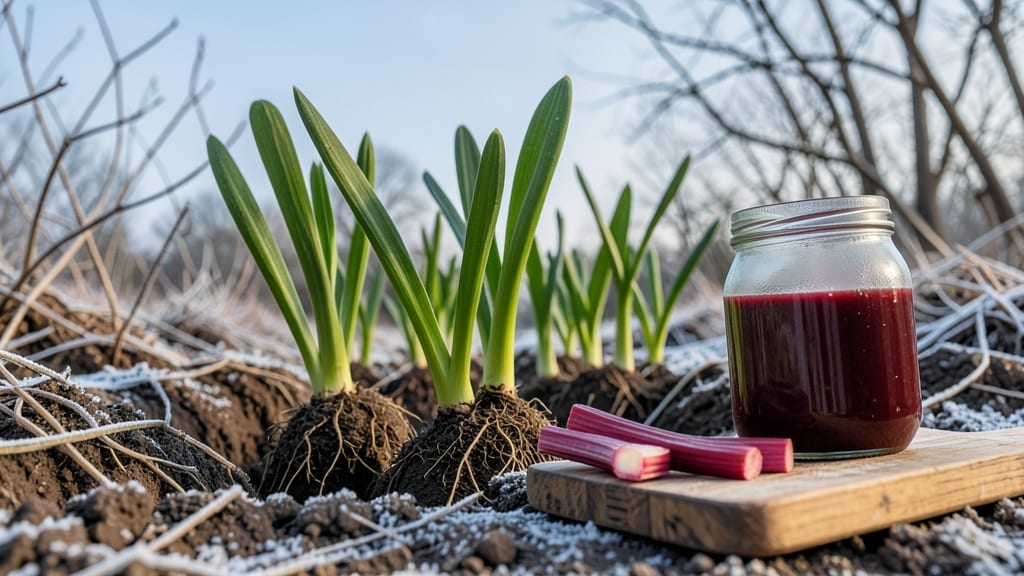
If you love baking but dread winter's end, rhubarb is your secret weapon—this hardy perennial survives -30°F winters while storing energy underground for spring harvests. Unlike many fruits, rhubarb thrives in Zone 4's short growing seasons, giving you vibrant stalks for pies and compotes even in cooler climates.
Plant rhubarb in full sun to partial shade with well-drained soil, and watch it spread gradually over time. The key to success? Avoid harvesting stalks in the first year to establish strong roots. Once mature, a single plant can produce 5-10 pounds of stalks annually for decades with minimal care—just remove old leaves in late fall and mulch lightly for winter protection.
Perfect for first-time gardeners or busy homesteaders, rhubarb's resilience makes it a low-maintenance staple. Whether you're a pie enthusiast or just love vibrant garden colors, this cold-hardy plant delivers year after year. 🌱
Hardy Fig Trees
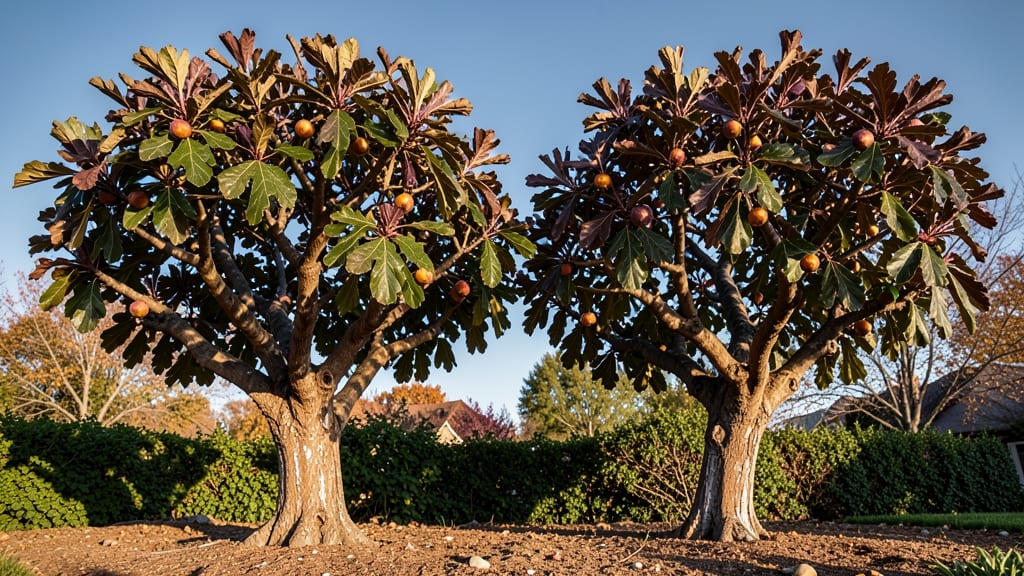
Craving Mediterranean flavors but stuck in Zone 4? The Desert King and Chicago Hardy fig varieties prove you don’t need a tropical climate to enjoy sweet, sun-ripened figs. These cold-hardy trees produce fruit even in northern climates when given proper winter protection.
Plant them in full sun with well-draining soil and wrap the trunk in burlap for winter. Mulch heavily around the base to insulate roots from sub-zero temperatures. With these simple steps, you’ll harvest figs that taste like a Mediterranean vacation—no passport required. 🌻
Perfect for urban gardeners with containers or backyard growers wanting a unique fruit tree, these figs thrive where most tropical plants would freeze. Just add patience and protection for a rewarding harvest. 💚
Juneberry (Saskatoon) Trees
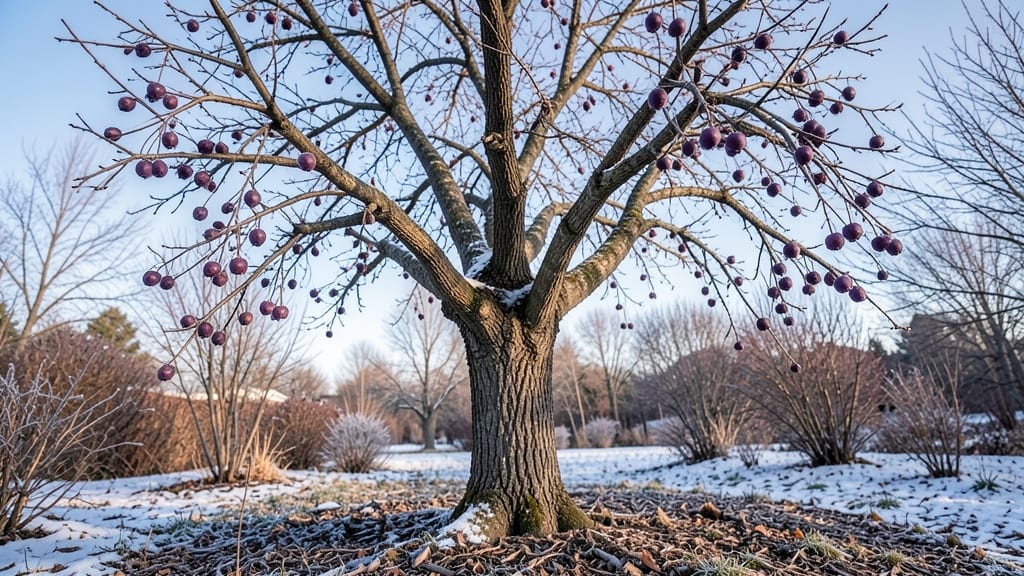
Looking for a fast-growing fruit tree that thrives in Zone 4’s brutal winters and fits snugly in small spaces? Meet the Juneberry (Saskatoon) tree—a hardy, multi-purpose plant that produces edible purple berries in early summer while surviving -40°F winters without fuss.
These trees grow 10-15 feet tall but can be pruned to stay compact, making them ideal for urban yards or cottage gardens. Their white spring blooms attract pollinators like bees and hummingbirds, and the tart-sweet berries (similar to blueberries but with a plum-like texture) ripen by mid-July. Plant them in full sun to partial shade and well-drained soil—they’re drought-tolerant once established.
Perfect for beginner gardeners or those with limited space, Juneberries offer year-round interest with striking fall foliage and winter bark. Plus, their berries are packed with antioxidants, making them a nutritious and ornamental addition to any Zone 4 landscape. 🌻
Cold-Resistant Currants
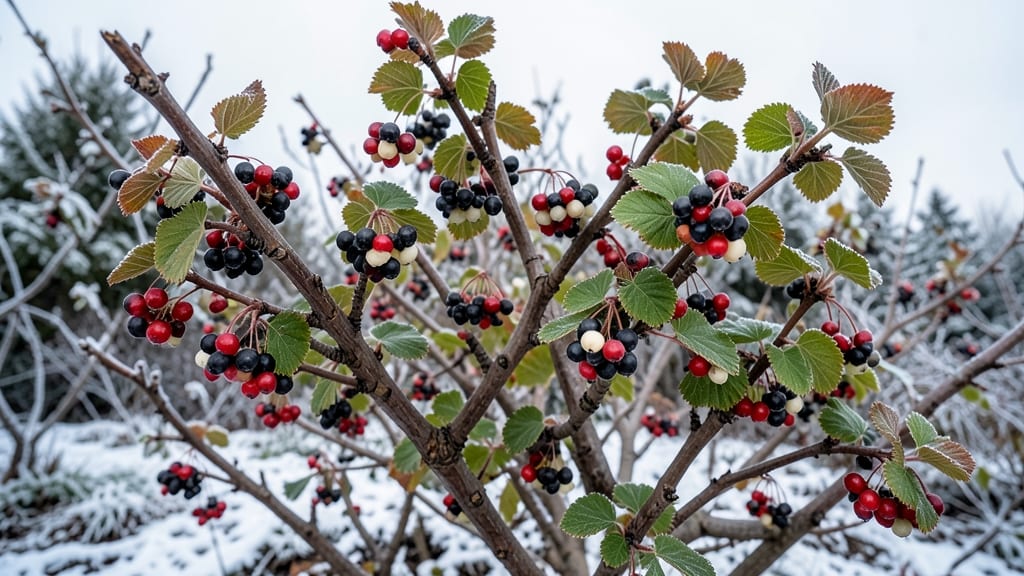
If you crave antioxidant-packed berries but dread the idea of summer heat or tender plants, cold-resistant currants are your answer. These hardy shrubs produce black, red, and white berries that survive -25°F winters—no greenhouse or special protection needed. They’re perfect for Zone 4 gardeners who want flavorful fruit without the fuss.
Currants thrive in full sun to partial shade and prefer well-drained soil, making them ideal for small gardens or containers. Varieties like Consort (red) and Black Downy deliver sweet-tart berries perfect for jams, syrups, or fresh snacking. Prune in late winter to encourage bushier growth and better airflow, reducing disease risk.
Urban gardeners and homesteaders will love how low-maintenance currants are—just plant, water occasionally, and harvest. Their compact size (3-5 feet tall) makes them ideal for tight spaces, and their early summer harvest gives you a head start on berry season. 🌻
Hardy Grape Vines
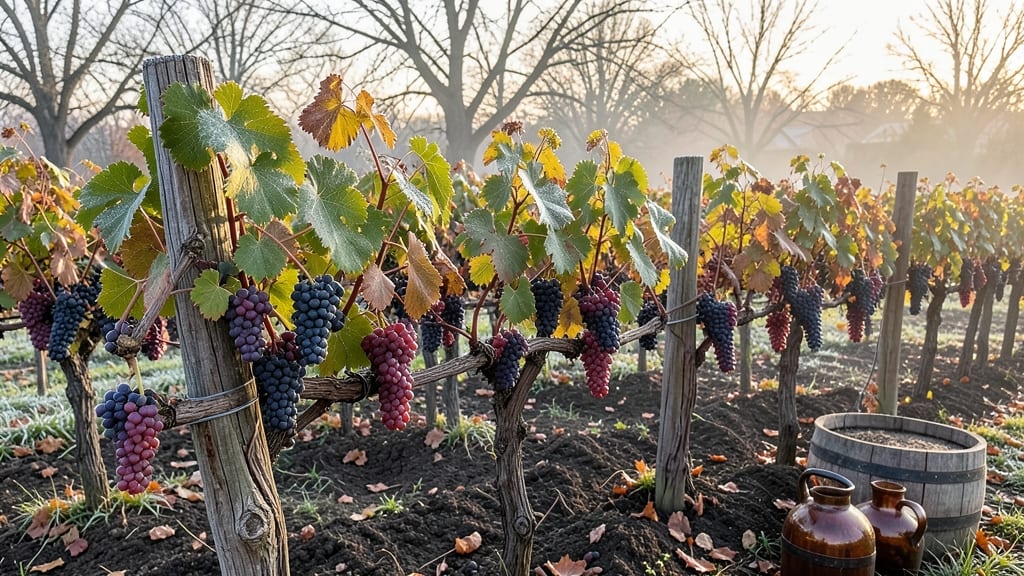
Turn your backyard into a wine-quality vineyard without escaping Zone 4—Marquette and Frontenac grapes thrive in sub-zero winters with the right care. These cold-hardy varieties produce rich, flavorful fruit perfect for homemade wine, jams, or fresh eating, all while surviving temperatures down to -25°F when properly protected.
Plant these vines in full sun with well-draining soil and provide a sturdy trellis for support. In fall, prune back to one-third of the plant, then wrap the canes in burlap and cover with straw or leaves for winter. Remove the mulch in early spring to prevent rot. These vines are ideal for small spaces and urban gardens, offering both beauty and harvest potential.
Perfect for homesteaders and wine enthusiasts, these grapes prove you don’t need a warm climate to enjoy vintage-quality fruit. 🌱
Winter Hardy Strawberries

Tired of waiting until summer for strawberries? Ever-bearing varieties like Alpine and Mignonette break the mold by producing sweet, juicy fruit in early spring and fall, not just summer. These hardy gems survive -20°F winters with just a light layer of mulch, making them perfect for Zone 4 gardeners who want year-round harvests.
Unlike traditional June-bearing strawberries, these varieties thrive in containers, making them ideal for patios, balconies, or small urban spaces. Plant them in well-draining soil with 6 hours of sun and keep them consistently moist during fruiting periods. With minimal winter protection, you’ll enjoy fresh strawberries twice a year—no greenhouse required!
Urban gardeners and beginners will love how low-maintenance these plants are. Just add mulch in fall, and you’re set for another season of delicious, homegrown berries. 🌱