
How To
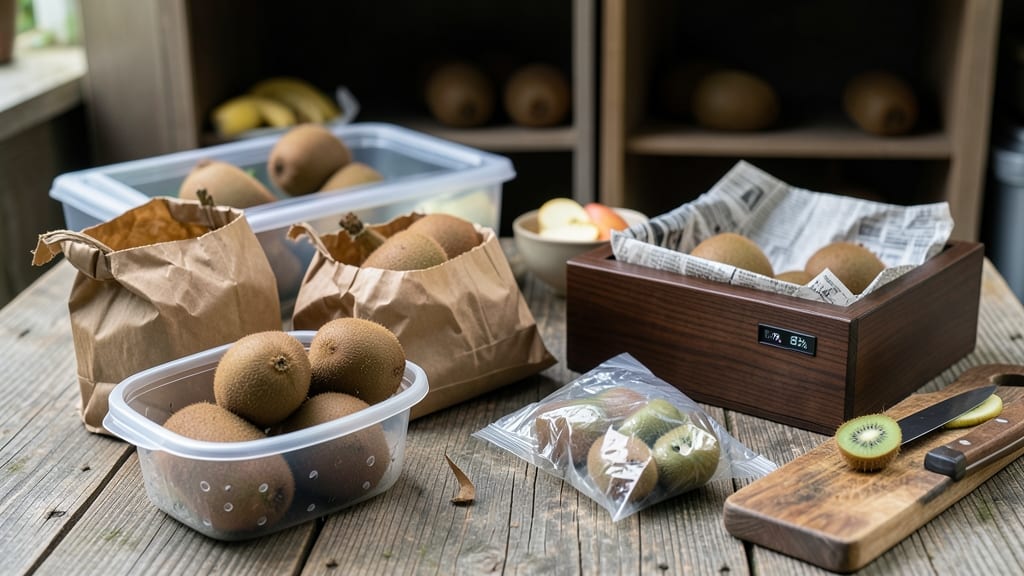
The best way to store kiwifruit is to keep them at room temperature until ripe, then refrigerate to slow further ripening. Avoid storing them near ethylene-sensitive fruits like apples or bananas, and never wash until ready to eat.
Kiwifruit ripen best when exposed to ethylene gas, which they produce naturally as they mature. 🌱 Keeping them at room temperature (55–70°F) speeds up this process, while moving them to the fridge (32–40°F) halts ripening and extends shelf life.
The key is patience—unripe kiwis can take 3–5 days to soften, while overripe ones spoil faster when refrigerated. I always store them in a single layer with ventilation to prevent moisture buildup, which causes mold.
For long-term storage, consider freezing peeled kiwifruit in airtight containers or drying slices for snacks. Just avoid washing them before storage—moisture speeds up decay. 💫 Pro tip: Place a ripe kiwi in a paper bag with unripe ones to accelerate softening naturally.
💡 In This Article
- Kiwifruit Ripening Science and Temperature Control
- Organizing Kiwifruit Storage for Maximum Freshness
Kiwifruit ripening science and temperature control
The magic behind kiwifruit ripening lies in ethylene gas, a natural plant hormone that acts like a chemical signal. Kiwis produce ethylene as they mature, but they also respond dramatically to it—meaning a single ripe kiwi can trigger ripening in nearby unripe ones within 24–48 hours.
This is why storing them together speeds up the process, but it’s also why you should separate them from ethylene-sensitive produce like leafy greens or citrus. The ideal ripening temperature is 55–70°F, where ethylene production peaks and enzymes soften the flesh without causing spoilage.
Temperature control is everything—kiwis ripen fastest at room temperature but spoil quickly once overripe. Below 32°F, their cell walls break down unevenly, leading to mealy texture or brown spots. Above 75°F, they ferment rapidly, losing sweetness and developing off-flavors.
Humidity matters too: 85–90% relative humidity keeps the skin firm, while lower levels cause shriveling. I’ve noticed that kiwis stored in sealed plastic bags develop condensation, which traps ethylene and accelerates rot—always use breathable containers like paper bags or perforated plastic.
Cold spots in your fridge can create uneven ripening. Kiwis stored near the crisper drawer’s coldest zone (32–36°F) may develop a dull, grainy texture, while those in warmer areas (38–40°F) stay fresher longer. The sweet spot is the middle shelf, where temperatures hover around 38°F.
For maximum freshness, I group kiwis by ripeness: unripe ones in a paper bag at room temperature, ripe ones in the fridge, and overripe ones peeled and frozen for smoothies within 2–3 days.
Ethylene production peaks at night, which is why storing kiwis in a dark, cool place (like a pantry) during the day can slow ripening slightly. Light exposure also matters—kiwis left in direct sunlight develop greenish-brown patches from chlorophyll breakdown.
The skin’s fuzzy texture isn’t just for show; it helps regulate moisture loss. When storing, avoid stacking them—pressure bruises trigger ethylene bursts, causing premature softening. A single layer in a ventilated container keeps them uniform in texture and flavor.
Here’s what happens if you get the temperature wrong: At 45°F, kiwis ripen slower but risk chilling injury (water-soaked spots). At 80°F, they ferment in 48 hours, turning mushy and sour.
The sweetness peak occurs at 60–65°F during ripening, which is why room-temperature storage is ideal for softening. Once ripe, the fridge’s 38°F environment pauses ripening without sacrificing flavor, extending shelf life by 3–5 days.
For gardeners or bulk buyers, consider these pro tips: Place a ripe kiwi in a mesh bag with unripe ones to speed up softening naturally. For long-term storage, freeze peeled kiwis in 1-cup portions—they’ll keep for 6 months without losing texture.
And always store them stem-side up; the stem end contains higher concentrations of ethylene, so positioning it upward helps distribute ripening evenly. 🌱