
Fertilization
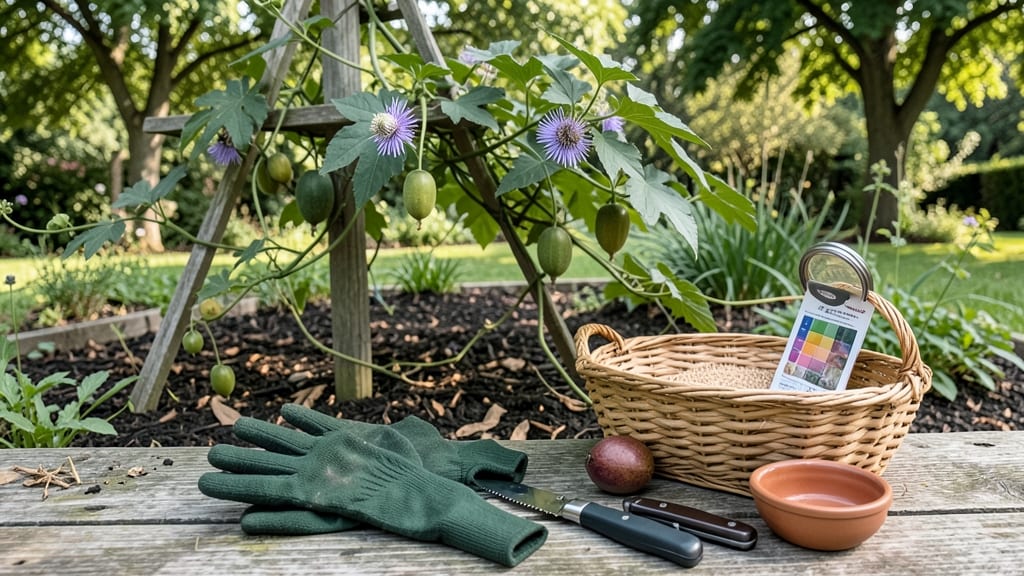
Harvesting Passiflora incarnata fruit means uncovering nature’s hidden treasure—a vine that yields edible, medicinal maypops with a citrusy flavor and calming properties. 🌿 I’ve grown this passionflower for years, and the key to a bountiful harvest lies in understanding its quirky growth habits, from pruning to pollination.
This vine thrives in full sun to partial shade and well-draining soil, but its real secret is patience—it’s slow to establish but rewards you with 3-inch purple fruits that ripen in late summer. The challenge?
Most gardeners overlook its need for support structures (like trellises) to climb, which directly impacts fruit production. Once you master the late-winter pruning (cutting back dead growth) and hand-pollinate the delicate flowers, you’ll watch those fruits swell into sweet, seedy delights perfect for teas, jellies, or fresh snacking.
The first harvest feels like uncovering a secret garden gem. Works in zones 5-9, even in containers if pruned aggressively. Let’s turn your vine into a productive powerhouse!
Factors Behind Poor Fruit Development
When cultivating Passiflora incarnata—commonly known as maypop or purple passionflower—growers may occasionally find that the fruit fails to develop properly, remains small, or drops prematurely. Understanding the root causes behind these issues is key to ensuring a bountiful harvest.
Below, we break down the most common reasons why this happens, backed by science and actionable insights.
Passionflower vines rely heavily on pollinators like bees, butterflies, and hummingbirds to transfer pollen between flowers. If pollination is inadequate, the ovary (which will develop into fruit) may not receive the necessary stimulus to grow. Here’s why it fails:
- Lack of pollinators: Urban or suburban gardens with few native pollinators, pesticide use, or early/late blooming periods (when pollinators are scarce) can disrupt the process.
- Poor flower structure: Some passionflower varieties have complex floral structures that may deter pollinators if not properly maintained (e.g., overcrowded vines blocking access).
- Weather conditions: Rainy or windy days can wash away pollen or discourage pollinators from visiting flowers.
Actionable fix: Hand-pollinate flowers using a small brush or cotton swab to transfer pollen from the male (anther) to the female (stigma) parts. Plant pollinator-friendly flowers nearby (e.g., lavender, sunflowers) to attract more visitors.
The development of Passiflora incarnata fruit is highly dependent on a balanced supply of essential nutrients. Deficiencies or excesses can stunt growth or cause fruit drop. Here’s what to watch for:
| Nutrient Issue | Symptoms | Solution |
|---|---|---|
| Nitrogen (N) deficiency | Yellowing leaves (chlorosis), slow vine growth, small or misshapen fruit. | Apply a balanced organic fertilizer (e.g., compost or fish emulsion) in early spring. |
| Phosphorus (P) deficiency | Purple or dark green leaves, weak root development, premature fruit drop. | Use bone meal or rock phosphate to boost phosphorus levels before flowering. |
| Potassium (K) deficiency | Weak stems, brown leaf edges, fruit that fails to ripen or rots easily. | Add wood ash or a potassium-rich fertilizer (e.g., greensand) during the growing season. |
| Calcium (Ca) deficiency | Blossom-end rot (dark, sunken spots on fruit), deformed fruit. | Apply crushed eggshells or lime to soil to improve calcium availability. |
Pro tip: 🌡️ Test your soil’s pH (ideal range: 6.0–7.0 for passionflowers). Acidic soil (pH < 6.0) can lock out nutrients like phosphorus and calcium.
Passionflowers are resilient but can suffer when exposed to extreme or inconsistent environmental conditions. These stressors disrupt fruit development:
- Temperature extremes:
- Frost damage (<32°F/0°C) can kill flowers or young fruit.
- Heatwaves (>95°F/35°C) may cause fruit to sunburn or drop.
- Water stress:
- Drought conditions stunt fruit growth due to poor nutrient uptake.
- Overwatering leads to root rot, which weakens the vine and causes fruit to fall.
- Light deficiency: Passionflowers need 6–8 hours of sunlight daily. Shady spots result in sparse flowering and poor fruit set.
Actionable fix: 💡 Use mulch (e.g., straw or wood chips) to regulate soil temperature and retain moisture. In hot climates, provide afternoon shade to prevent sunburn.
Pests and pathogens can directly damage flowers and fruit or weaken the vine, leading to poor development. Common culprits include:
- Spider mites and aphids: These sap-sucking pests drain the plant’s energy, reducing flower and fruit production.
- Passionflower wood borers: Larvae burrow into stems, causing wilting and fruit drop.
- Fungal diseases (e.g., powdery mildew, root rot): Thrives in humid conditions, causing leaf drop and fruit rot.
- Bacterial blight: Leads to blackened flowers and fruit that fail to mature.
Preventative measures:
- ✨ Inspect vines weekly for signs of pests (e.g., webbing, sticky residue) or disease (e.g., spots, mold).
- Use neem oil or insecticidal soap for mild infestations.
- Prune affected branches immediately to prevent spread.
- Avoid overhead watering to reduce fungal risks.
Aggressive pruning or failing to maintain vine health can limit fruit production. Here’s how it happens:
- Excessive pruning: Cutting back too many stems removes potential flowering sites, reducing the vine’s ability to produce fruit.
- Weak or old vines: Mature vines (>5 years old) may produce fewer flowers and smaller fruit due to declining energy reserves.
- Competition from new growth: If the vine prioritizes leafy growth over flowering (e.g., due to high nitrogen), fruit development suffers.
Actionable fix: 🔪 Prune selectively in late winter or early spring, removing only dead or crossing branches. Fertilize with a low-nitrogen, high-phosphorus blend to encourage flowering.
Revitalizing Your Passionflower Plant
If your Passiflora incarnata isn’t thriving—or worse, is struggling to produce fruit—don’t panic! With the right care, you can nurse it back to health and encourage a bountiful harvest. Below, we’ll tackle common issues with practical, step-by-step solutions, including prevention tips to keep your plant flourishing long-term.
Cause: Overwatering, nutrient deficiency, or root rot. Solution:Start by checking the soil moisture—stick your finger an inch deep. If it’s soggy, your plant is likely drowning. Here’s how to fix it:
- 🔥 Adjust Watering Habits
- Water only when the top 2 inches of soil are dry.
- Ensure pots have drainage holes to prevent root rot.
- 🍳 Nutrient Boost with Fertilizer
- Use a balanced, organic fertilizer (like compost or fish emulsion) every 4-6 weeks during growing season.
- For extra magnesium (common deficiency), add Epsom salt (1 tbsp per gallon of water) monthly.
- 🌡️ Transplant if Needed
- If roots are mushy or black, repot in fresh, well-draining soil.
💡 Prevention Tip: Mulch around the base to retain moisture without waterlogging.
Cause: Insufficient sunlight, improper pruning, or stress from pests. Solution:
A passionflower needs the right conditions to bloom and fruit. Follow these steps to encourage flowering:
- ☀️ Maximize Sun Exposure
- Move your plant to a spot with at least 6-8 hours of sunlight daily.
- South-facing windows or a greenhouse work best.
- ✂️ Prune for Better Airflow
- Trim dead or overcrowded branches to improve circulation.
- Cut back leggy growth to encourage bushier, fruit-bearing vines.
- 🐛 Pest Control
- Spray neem oil on leaves if you spot aphids or spider mites (common culprits).
- Introduce beneficial insects like ladybugs for natural pest management.
🎯 Pro Tip: Hand-pollinate flowers with a soft brush if bees are scarce in your area.
Cause: Fungal infections (like powdery mildew), over-fertilization, or mineral toxicity. Solution:
Yellow or spotted leaves signal distress. Act fast to save your plant:
- 🌿 Fungal Treatment
- Remove infected leaves immediately.
- Apply a copper fungicide or baking soda spray (1 tsp baking soda + 1 quart water + a drop of dish soap).
- 🧪 Check Soil pH
- Test soil pH (ideal: 6.0–7.0). Adjust with lime (to raise pH) or sulfur (to lower it).
- 🚫 Reduce Fertilizer
- Flush the soil with water to remove excess salts if leaves show burn marks.
✨ Prevention Tip: Space plants apart to reduce humidity-related fungal risks.
With these targeted fixes, your Passiflora incarnata should bounce back stronger—ready to reward you with vibrant blooms and sweet, medicinal fruit. Consistency is key, so monitor progress and adjust care as needed!
Frequently asked questions
How do I know when Passiflora incarnata fruit is ripe?
Look for deep purple color and a slightly soft texture when gently squeezed. The skin should yield slightly, like a ripe plum, and the fruit will often "pop" open when fully ripe. Harvest in late summer or early fall for the best flavor and medicinal properties.
Can I grow Passiflora incarnata in containers?
Yes! This vine thrives in 15-20 gallon containers with well-draining soil and a sturdy trellis. Use a mix of potting soil and perlite, and prune aggressively to control size. Just ensure the container gets 6+ hours of sunlight and has drainage holes.
Why aren't my passionflower vines producing fruit?
Common reasons include poor pollination, insufficient sunlight (<6 hours/day), or nutrient deficiencies. Try hand-pollinating flowers with a soft brush, moving the plant to a sunnier spot, or adding a phosphorus-rich fertilizer (like bone meal) before flowering season.
Are the seeds inside Passiflora incarnata fruit edible?
Yes, but they're hard and fibrous—best removed before eating. The pulp is the star: sweet, citrusy, and packed with antioxidants. For jams or teas, strain out the seeds. Roast them for a coffee substitute if you prefer the nutty flavor!
How do I overwinter Passiflora incarnata in cold climates?
Cut back vines to 6-12 inches tall, mulch heavily with straw, and wrap containers in bubble wrap. Dig up potted plants and store them in a cool (40-50°F) garage or basement. Resume watering lightly in early spring before new growth appears.