
Vegetables
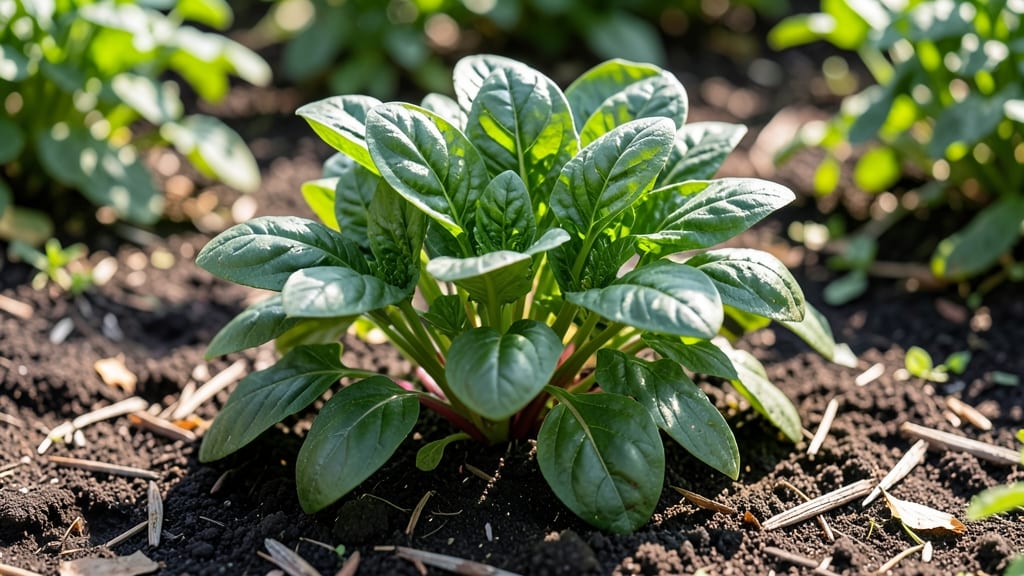
Spinach is a vegetable botanically, classified as a leafy green grown for its edible leaves, not as a fruit which develops from flowers. Its nutritional role and culinary use align with vegetables despite its seed-based reproduction method.
Botanically speaking, spinach is a vegetable because it's grown for its leaves—not its seeds or flowers. 🌱 This distinction matters because fruits develop from flowers and contain seeds, while vegetables are other edible parts like leaves, stems, or roots.
The confusion often comes from how we use the term "vegetable" in everyday language versus scientific classification. For example, tomatoes are botanically fruits but are treated as vegetables in cooking.
Understanding this classification helps gardeners and cooks alike. Spinach thrives in cooler weather and prefers well-drained soil with plenty of sunlight. Its high iron and vitamin K content make it a staple in salads, sautéed dishes, and smoothies.
Knowing it's a vegetable means you can confidently include it in meals where you want leafy greens without worrying about it being a fruit.
💡 In This Article
- Botanical vs Culinary Classification of Spinach
- How Spinach’s Classification Affects Gardening and Nutrition
Botanical vs culinary classification of spinach
The key difference between fruits and vegetables lies in their botanical origins. Fruits develop from the ovary of a flowering plant and contain seeds, while vegetables refer to all other edible plant parts like leaves, stems, or roots.
Spinach fits the vegetable definition because its edible portion is the leaf, not the seed or flower. The confusion arises because spinach reproduces via seeds, but botanically, fruits must contain seeds within a fleshy structure—something spinach leaves never become.
Spinach belongs to the Chenopodium family and grows as a broadleaf plant with a rosette pattern. Its leaves develop from the plant's stem at ground level, forming a dense cluster perfect for harvesting. Unlike fruits, which develop from fertilized flowers, spinach leaves emerge directly from the plant's meristem (growth tissue).
This leaf structure is why spinach is classified as a vegetable, even though its seeds could technically grow new plants. 🌱 The distinction becomes clearer when comparing spinach to tomatoes—both produce seeds, but tomatoes develop from flowers, making them botanical fruits.
In culinary terms, this classification matters because it influences how we prepare and consume spinach. As a leafy vegetable, it's typically used raw in salads or cooked in sautéed dishes, where its tender texture and mild flavor shine.
The botanical definition also explains why spinach doesn't behave like a fruit in cooking—it lacks the natural sugars and pectin that make fruits ideal for pies or preserves. Instead, spinach's high water content (about 91%) and delicate structure make it perfect for quick-cooking methods like wilted dishes or smoothies.
What most people don't realize is how spinach's growth habit reinforces its vegetable status. The plant focuses energy on leaf production rather than fruit development, maximizing edible yield. This is why gardeners harvest spinach leaves rather than waiting for seeds—its entire purpose is to provide leafy greens.
The seeds, while present, are a secondary product, not the edible focus. This growth pattern is identical to other leafy vegetables like kale or lettuce, further cementing spinach's place in the vegetable category.
Here's a simple breakdown of how spinach compares to other plants:
- Botanical fruit: Develops from flowers (e.g., tomatoes, cucumbers, peppers)
- Botanical vegetable: Edible non-fruit parts (e.g., spinach leaves, carrot roots, potato tubers)
- Spinach's unique trait: Produces seeds but lacks fleshy fruit structure, keeping it firmly in the vegetable category
The practical takeaway is that while botanists and chefs might argue over definitions, spinach's role in meals is undeniably that of a vegetable. Its leaf structure, growth pattern, and culinary use all align with how we understand vegetables in everyday cooking.
This clarity helps home gardeners and cooks make better choices when incorporating spinach into meals—whether fresh, sautéed, or blended. 💫