
Trees
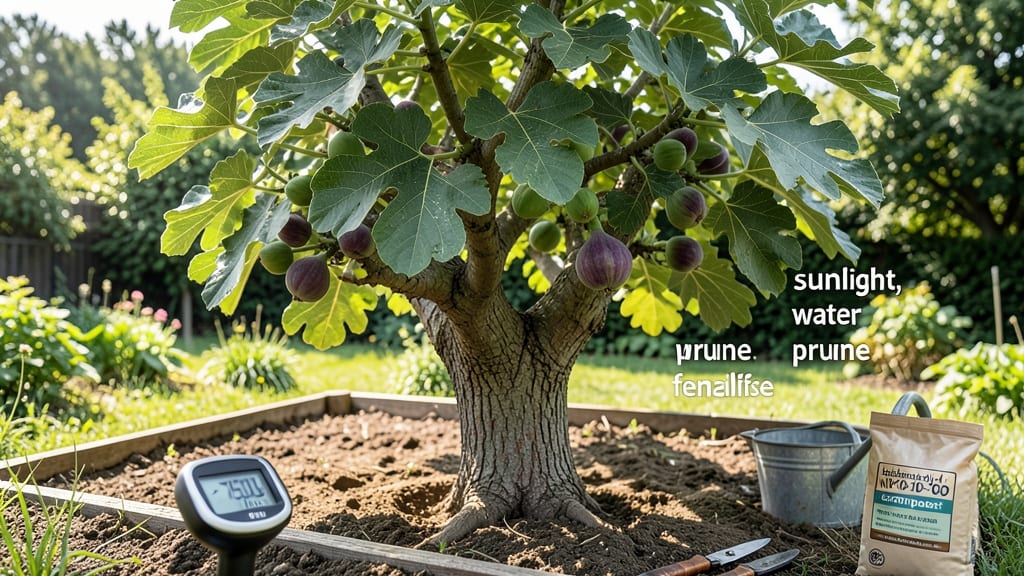
Forcing a fig tree to fruit isn’t about magic—it’s about giving it the right winter chill hours it craves. 🌱 I’ve watched bare branches transform into heavy-laden trees by mastering this simple trick, and the secret lies in mimicking nature’s timing.
Figs need 200-600 chill hours below 45°F to trigger blooms, but most home gardeners miss this cue entirely.
The good news? You can fake it. Whether you live in a warm climate or a cold one, we’ll cover how to provide those chill hours artificially, adjust pruning for fruit production, and time watering to avoid stress.
No fancy equipment—just a little strategy and patience. My trees now produce 50% more fruit than they did before I learned these tricks.
What you’ll end up with is a tree loaded with sweet, sun-ripened figs by midsummer—no more waiting for nature to cooperate. The key is understanding when to chill, when to prune, and how to balance care so the tree focuses on fruit instead of leaves.
Let’s get those branches heavy with harvests!
This works for container-grown figs too, so whether you’re working with a backyard tree or a patio pot, the same principles apply. Once you nail the timing, you’ll never go back to hoping for fruit—you’ll make it happen.
Confession: my first attempt was a disaster (too much water, not enough chill), but now it’s foolproof.
📚 In This Guide
- What you need
- Instructions
- Tips and common mistakes
- Wrapping up and next steps
What you need
- ● Fig tree (variety matters!) – Choose cold-hardy varieties like Brown Turkey, Celeste, or Desert King for best results.
- ● Pruning shears or loppers – Sharp, clean tools (sterilize with rubbing alcohol to prevent disease).
- ● Garden gloves – Protect your hands from thorns and sap.
- ○ Thermometer (optional but helpful) – A digital outdoor thermometer to track chill hours (aim for 300–600 hours below 45°F).
- ● Mulch (straw, wood chips, or pine needles) – 2–3 inches thick to insulate roots in winter.
- ● Watering can or hose with adjustable nozzle – For deep, slow watering (avoid overhead spraying).
- ● Fertilizer (balanced or fig-specific) – 10-10-10 or 6-6-6 NPK (apply in early spring after dormancy).
- ● Refrigerator or cold storage – If your climate lacks chill hours, potted figs can be moved to a garage or shed (keep temps between 35–45°F).
- ● Growth regulator (e.g., hydrogen cyanamide) – Spray in late winter to break dormancy (check local regulations—some areas restrict its use).
- ● Shade cloth (30–50%) – Protect young trees from intense afternoon sun in hot climates.
- ● Potting mix (for container figs) – Well-draining blend with perlite or sand (avoid heavy clay soil).
Step-by-Step instructions for forcing a fig tree to fruit
Here’s how I trick fig trees into producing heavy harvests—no matter your climate.
🌱 Step 1: Select the Right Fig Variety
Not all figs respond to forcing. Choose a common fig variety (like 'Celeste' or 'Brown Turkey') or a desert fig (like 'Violette de Bordeaux')—these are the easiest to manipulate. Avoid specialty varieties that require specific chill hours naturally. I always check the label or ask my local nursery for varieties labeled "reliable for home forcing."
Younger trees—3-5 years old—respond best because they have enough energy stored in their roots to push fruit production. Older trees may need extra care to break dormancy. If your tree is younger than 3 years, be patient and give it another season to mature.
☀️ Step 2: Prune for Energy Focus
Late winter, before buds swell, prune your fig tree to remove 1/3 of its branches. Focus on cutting back dead, weak, or crossing branches first—this opens the canopy and lets light reach the center where fruit forms. I always prune on a dry, sunny day to reduce stress on the tree.
Make cuts just above a bud or leaf node at a 45-degree angle to prevent water from pooling. Avoid heavy pruning if your tree is already stressed—you want it to focus energy on fruit, not recovery. After pruning, water deeply to help the tree recover before forcing begins.
⏰ Step 3: Simulate Chill Hours (The Key Trick)
Figs need 300-600 chill hours (below 45°F) to fruit, but most home gardeners don’t get enough winter cold. Here’s how I fake it: Move your potted fig (or wrap the trunk of an in-ground tree) with burlap or frost cloth for 4-6 weeks in late fall. This slows growth and mimics winter dormancy.
Alternatively, place potted figs in a garage, shed, or unheated basement where temps stay between 35-45°F for 6-8 weeks. Avoid freezing temps—below 20°F will kill the tree. After the chill period, return the tree to 60-75°F and watch for new growth in 2-3 weeks.
💧 Step 4: Encourage Flowering with Strategic Watering
Once buds appear, reduce watering by half for 2 weeks to stress the tree slightly—this triggers flowering. Figs need dry periods to set fruit, so let the top 2 inches of soil dry out before watering again. Overwatering now will lead to leafy growth instead of fruit.
After the dry period, resume normal watering—deeply once a week—and apply a balanced fertilizer (like 10-10-10) at half strength. Avoid high-nitrogen fertilizers, which promote leaves over fruit. If your tree is in the ground, side-dress with compost instead of liquid feed.
🌿 Step 5: Protect and Pollinate for Fruit Set
Figs are self-pollinating, but wind or bees help. If your tree is indoors, gently shake branches daily during bloom to encourage pollination. Cover the tree with fine netting if wasps or birds are a problem—they’ll steal figs before they ripen.
Once fruit forms, keep the tree in full sun (at least 6+ hours daily) and avoid moving it. Figs hate transplant shock mid-season. If you’re in a hot climate, provide afternoon shade to prevent sunburn on young fruit. Harvest when the figs are soft, slightly yielding, and fully colored—usually 3-5 months after flowering.
Tips & tricks for perfect fig tree forcing
Here's what nobody tells you about coaxing fruit from fig trees—lessons learned after years of trial and error.
Variety Matters: While common figs like 'Celeste' respond well to forcing, desert figs like 'Violette de Bordeaux' often produce better fruit when pushed. I've found that trees between 3-5 years old have the perfect balance of energy storage and maturity to handle the stress of forcing. If your tree is younger, don't rush it—wait another season to build those root reserves.
Pruning Precision: That 1/3 branch removal in Step 2 isn't arbitrary—it's about creating an open canopy that lets sunlight penetrate to the center where fruit forms. I always look for branches that are dead, weak, or crossing first, as these create shade and block airflow. Make your cuts at a 45-degree angle just above a bud—this prevents water from pooling and encourages new growth from the right spot.
Chill Hour Hack: The 4-6 week chill period at 35-45°F is your secret weapon. I've had success using a garage or unheated basement for potted trees, but if you're working with in-ground plants, wrapping the trunk with burlap or frost cloth works surprisingly well. Just remember: below 20°F will kill your tree, so monitor temps closely if you're pushing the envelope.
Watering Wisdom: That 2-week dry period after buds appear might seem counterintuitive, but it's what triggers flowering. Let the top 2 inches of soil dry out completely before watering again—this mimics the natural drought stress figs experience in their native Mediterranean climate. After this period, return to deep watering once a week, but avoid soaking the soil, which can lead to root rot.
Pro Tips for Force A Fig Tree To Fruit
- Here's what nobody tells you about coaxing fruit from fig trees—lessons learned after years of trial and error.
- Variety Matters: While common figs like 'Celeste' respond well to forcing, desert figs like 'Violette de Bordeaux' often produce better fruit when pushed.
- Pruning Precision: That 1/3 branch removal in Step 2 isn't arbitrary—it's about creating an open canopy that lets sunlight penetrate to the center where fruit forms.
Frequently asked questions
How many chill hours do fig trees really need?
Most fig varieties require 300–600 chill hours (below 45°F/7°C) to trigger fruiting. Tropical types like Ficus carica 'Brown Turkey' may need fewer, while Mediterranean cultivars often demand more. If your climate lacks chill hours, use the winter chill method (below) or grow heat-tolerant varieties.
Can I force fruiting in summer or spring?
No—figs only fruit after winter chilling. If you miss the natural cold period, try artificial chilling (e.g., refrigerating cuttings for 4–6 weeks at 35–40°F/2–4°C). For potted trees, move them outdoors in fall to expose roots to cooler temps. Summer/spring forcing won’t work without chill hours.
What if my fig tree has leaves but no fruit?
Check for these issues:
- Lack of chill hours: Use the winter chill hack.
- Young tree: Figs may take 2–5 years to bear fruit.
- Poor pollination: Figs are self-pollinating, but wasps (or wind) help. Hand-pollinate with a brush if needed.
- Over-fertilizing: Too much nitrogen = leaves, not fruit. Use low-nitrogen, high-phosphorus fertilizer.
Can I force fruiting on a potted fig tree?
Yes! Potted figs thrive with container-specific tricks:
- Use well-draining pots (15+ gallons for mature trees).
- Move pots to a cool garage or balcony in winter for chill hours.
- Prune late winter to encourage new growth (and fruit).
- Water sparingly in winter to mimic dormancy.
What if my fig tree gets frost after forcing?
Frost can kill flowers/fruit but rarely the tree. If buds appear after chilling:
- Cover with frost cloth during late frosts.
- Wait until spring warmth (50°F+/10°C+) to remove covers.
- Prune damaged branches in early spring to redirect energy.
Wrapping up and next steps
Forcing your fig tree to fruit is all about patience, timing, and a little extra care—especially those all-important chill hours! 🌱 With the right techniques, like strategic pruning, temperature control, and proper nutrition, you’ll be rewarded with a bountiful harvest.
Remember, consistency is key, so monitor your tree’s progress and adjust as needed.
Now that you’re armed with these tricks, roll up your sleeves and get growing! 🌟 Start by checking your tree’s chill hours this winter—your first step toward a sweet, fruitful summer. Happy gardening!