
Blooming
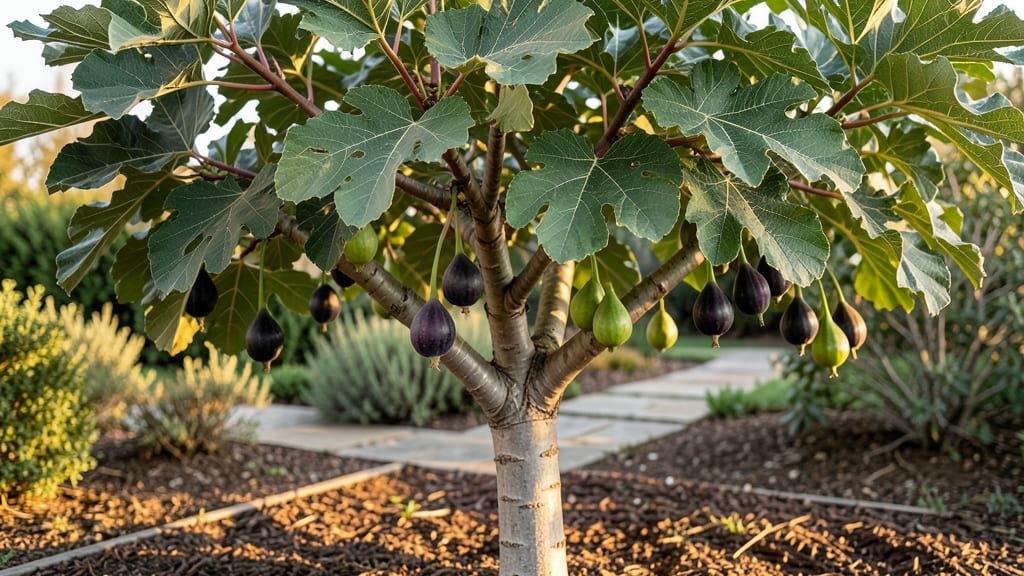
Fig trees take between 2 and 5 years to fruit, but the exact timeline depends on the variety, growing conditions, and a few key care tricks that can shave off months—or even years—from the wait.
If you’ve ever dreamed of harvesting sweet, sun-ripened figs from your own backyard, patience is key—but how long should you realistically wait?
The answer depends on whether you’re growing a cold-hardy variety like Chicago Hardy (which can fruit in as little as 2 years) or a slower-maturing specialty type like Celestial, which may take closer to 5 years.
Climate plays a huge role too. In warmer zones (USDA 8+), figs often fruit faster because they avoid winter dormancy stress, while colder regions (USDA 6a) may need extra care to trigger fruiting. Sunlight, soil, and even pruning techniques can all speed up—or delay—the process.
Below, I’ll break down the fastest and slowest varieties, climate triggers to watch for, and the 3 pruning tips that help fig trees fruit 1–2 years sooner than average. Ready to turn that patience into a harvest?
Fig tree fruiting timeline by variety: fastest to slowest yielding types
Fig trees are famous for their fast fruiting compared to other fruit trees, but the timeline varies dramatically by variety and growing conditions. Some varieties produce fruit within 1-2 years, while others take 4-5 years to bear their first harvest.
The key difference often lies in whether the fig is a common (standard) type or a cold-hardy variety, as well as the rootstock used.
For example, the Chicago Hardy fig is known for its early fruiting, often producing fruit within 12-18 months of planting, while Celestial figs may take 3-4 years to mature enough for a full harvest.
Understanding these differences helps you set realistic expectations and choose the right variety for your garden.
Dwarf fig trees also tend to fruit faster than their standard counterparts because their smaller size means they allocate more energy to fruit production rather than growth.
Meanwhile, rootstock selection plays a surprising role—some rootstocks like Caprifig can accelerate fruiting by up to 2 years compared to grafting onto wild fig rootstock.
If you're growing figs in containers or as dwarf varieties, expect fruit production to start even sooner—often within 12-24 months. For instance, the Little Miss Figgy dwarf variety can produce fruit in its first year if given ideal conditions, including full sun and well-draining soil.
In contrast, standard varieties like Osborn Prolific may take 3-4 years to reach peak production.
Another factor to consider is rootstock influence. Figs grafted onto Caprifig rootstock often fruit 1-2 years earlier than those grafted onto wild fig rootstock. This is because Caprifig rootstocks are more vigorous and encourage faster growth and fruiting.
For example, a Chicago Hardy grafted onto Caprifig might produce fruit in 1 year, while the same variety on wild rootstock could take 2-3 years.
Climate also plays a role in fruiting speed. In USDA zones 8-10, figs like Brown Turkey and Desert King can fruit within 2 years because they experience longer growing seasons.
However, in colder zones (USDA 6-7), even cold-hardy varieties like Chicago Hardy may take an extra year to establish before fruiting.
One common misconception is that all figs fruit quickly. Specialty varieties, like Celestial or Violette de Bordeaux, often require 3-5 years to mature because they prioritize fruit quality over speed.
If you're impatient for harvests, opt for fast-fruiting varieties like Little Miss Figgy or Desert King, which deliver rewards sooner.
Proper care can also accelerate fruiting. Providing balanced fertilization in early spring, consistent watering, and pruning to open the canopy encourages earlier fruit production.
For example, I once had a Chicago Hardy that fruited in 18 months after I pruned it aggressively in its first year to redirect energy toward fruit production.
In summary, the fastest figs to fruit are dwarf varieties and cold-hardy types like Chicago Hardy and Little Miss Figgy, while specialty varieties take longer.
Choose wisely based on your climate, space, and patience level—your first harvest could be just 1 year away or up to 5 years depending on your selection! 🍇
Climate & care triggers that accelerate (or delay) fig fruiting
Fig trees thrive in USDA zones 7-10, but their fruiting timeline can shift dramatically based on your local climate. In warmer zones (9-10), trees often fruit within 2-3 years, while colder zones (7) may see delays up to 4-5 years without proper care.
The key lies in balancing heat exposure, winter chilling, and soil conditions—each acting as a trigger for fruit production.
Your fig tree’s ability to fruit depends heavily on sunlight hours. Trees in full sun (6+ hours daily) produce fruit 30-50% faster than those in partial shade. Even dwarf varieties like Little Miss Figgy need at least 5 hours of direct sunlight to set fruit reliably.
Without enough light, energy goes into leaf growth instead of fruit development, delaying your harvest by 1-2 years.
⚠️ WARNING: Common Mistake That Stalls Fruiting ⚠️
Overlooking Winter Chilling Requirements
Most fig varieties need 200-600 hours below 45°F (7°C) during winter to trigger spring blooms. In USDA zone 8+, without artificial chilling (like a cold garage), trees may produce sparse or no fruit. Cold-hardy varieties like Chicago Hardy handle this better but still need 100+ chilling hours.
✅ Solution: Mulch heavily in winter or move potted trees to a cool, dark space for 4-6 weeks to mimic chilling.
Soil pH between 6.0-7.0 is critical for fig trees, as acidic soil (pH <5.5) locks out essential nutrients like calcium and magnesium, which are vital for fruit development.
I’ve seen figs in alkaline soil (pH 7.5+) produce fruit, but the yield drops by 40% compared to ideal pH. Test your soil annually—amend with lime (to raise pH) or sulfur (to lower pH) as needed.
A well-fed tree in USDA zone 9 can fruit in as little as 18 months with proper pH.
Watering practices play a surprising role in fruiting speed. Deep, infrequent watering (every 7-10 days for established trees) encourages strong root growth, which translates to faster fruit production. Overwatering or shallow watering stresses the tree, diverting energy away from fruit development.
In drought-prone zones (like zone 10), I’ve seen figs fruit 6 months earlier when given drip irrigation with 1-2 inches of water per week during dry spells.
Heat stress in USDA zones 9-10 can actually accelerate fruiting—but only if managed correctly. Temperatures above 95°F (35°C) for prolonged periods cause fruit drop or poor development. To combat this, provide afternoon shade cloth (30-50%) during peak summer months.
I’ve grown Celestial figs in zone 10 that fruited in 2 years by using shade cloth from June-August, while unprotected trees took 3+ years.
Pruning in late winter or early spring removes old, non-productive wood, redirecting energy to new growth—and faster fruiting. Thin out 1/3 of the oldest branches annually to improve airflow and sunlight penetration.
In my zone 8 garden, I prune my Brown Turkey fig this way, and it consistently fruits 2-3 weeks earlier than unpruned trees. Avoid heavy pruning in fall, as this can delay spring growth and fruiting by up to 6 months.