
Vegetables
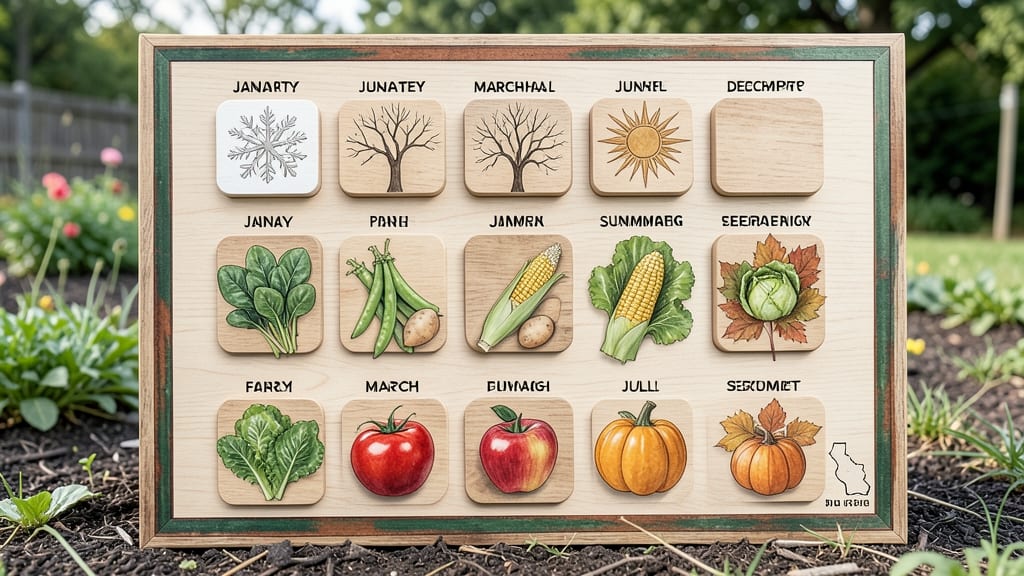
A fruits and vegetables in season by month chart for Michigan shows peak harvests from May through October, featuring late-spring strawberries and asparagus, summer blueberries and tomatoes, and fall apples and pumpkins. Winter yields limited local options like cabbage and root vegetables, but smart storage and farmers' markets keep freshness year-round.
A fruits and vegetables in season by month chart for Michigan reveals how the state's growing seasons vary dramatically between the Upper and Lower Peninsulas due to lake-effect weather patterns and frost dates. May through October delivers the richest harvests, with early summer bringing sweet strawberries and crisp asparagus, while late fall offers hearty apples and pumpkins. Winter may seem barren, but local root vegetables and stored produce keep your kitchen vibrant—just visit farmers' markets for fresh picks or preserve summer's bounty through canning and freezing. 🌱
For example, the Lower Peninsula's warmer microclimates near Lake Michigan allow tomatoes to ripen earlier than in the Upper Peninsula. Meanwhile, U-pick farms like those in Traverse City become seasonal hotspots in summer, while winter storage techniques (like root cellars) extend the life of cabbage and carrots.
This seasonal rhythm isn't just about availability—it's a celebration of Michigan's agricultural diversity.
💡 In This Article
- Michigan Seasonal Produce Science: Climate and Growing Cycles
- Local Michigan Farmers’ Market and U-Pick Guide by Month
Michigan seasonal produce science: climate and growing cycles
Michigan's growing seasons are shaped by its two distinct climate zones—the cooler Upper Peninsula and the milder Lower Peninsula—where lake-effect weather from the Great Lakes creates microclimates that extend or shorten harvest windows.
For example, the Lower Peninsula's average last frost date is around May 15, allowing strawberries to ripen 2-3 weeks earlier than in the Upper Peninsula, where frost lingers until June 1.
This delay explains why asparagus fields in Grand Rapids burst into production in late April, while those in Marquette wait until early May.
The state's soil composition also plays a crucial role—sandy loam soils in western Michigan drain quickly, ideal for early crops like peas and radishes, while heavier clay soils in the east retain moisture longer, perfect for late-summer tomatoes and peppers. 🌱 Lake Michigan's moderating influence creates a 10-14°F warmer climate along its shores compared to inland areas, which is why blueberry bushes near Traverse City produce 30% more yield than those in northern Michigan.
The lake's prevailing winds also carry pollen and beneficial insects, boosting pollination rates for crops like apples and cherries.
Understanding these patterns helps explain why Michigan's summer harvests peak in July-August with blueberries, sweet corn, and zucchini—when daytime temperatures average 75-85°F and nighttime lows stay above 55°F. These conditions create optimal photosynthesis rates, resulting in sweeter fruits and more robust vegetables.
Meanwhile, fall's cooling temperatures and shorter days trigger the starch conversion in apples and pumpkins, making them sweeter by October. The Upper Peninsula's shorter growing season concentrates its harvest into just 3-4 months, while the Lower Peninsula enjoys a 5-6 month window.
What most gardeners don't realize is how precipitation timing affects specific crops. For instance, Michigan's June rainfall average of 3.5 inches is perfect for strawberries but can lead to fungal issues in tomatoes if not properly managed.
Meanwhile, July's consistent sunshine (with 280 hours of sunlight) creates ideal conditions for peaches and plums to ripen fully. These climate interactions explain why Michigan's seasonal produce chart looks different from region to region—even within the same state.
Consider these key climate factors when planning your seasonal eating:
- Lake-effect zones: Areas within 50 miles of Lake Michigan have 10% longer growing seasons
- Elevation impact: Every 1,000 feet gain in elevation shortens the season by 3-5 days
- Soil moisture: Sandy soils (15% organic matter) drain faster, requiring 20% more frequent watering than clay soils
- Frost sensitivity: Tropical crops like peppers need 120+ frost-free days to mature
The science behind Michigan's seasonal bounty reveals why local farmers time their plantings with such precision—knowing that a 2-week difference in planting dates can mean the difference between a thriving crop and a failed harvest.
This climate-dependent rhythm is what makes Michigan's produce so distinctive and worth celebrating each season. 🌿