
Advice
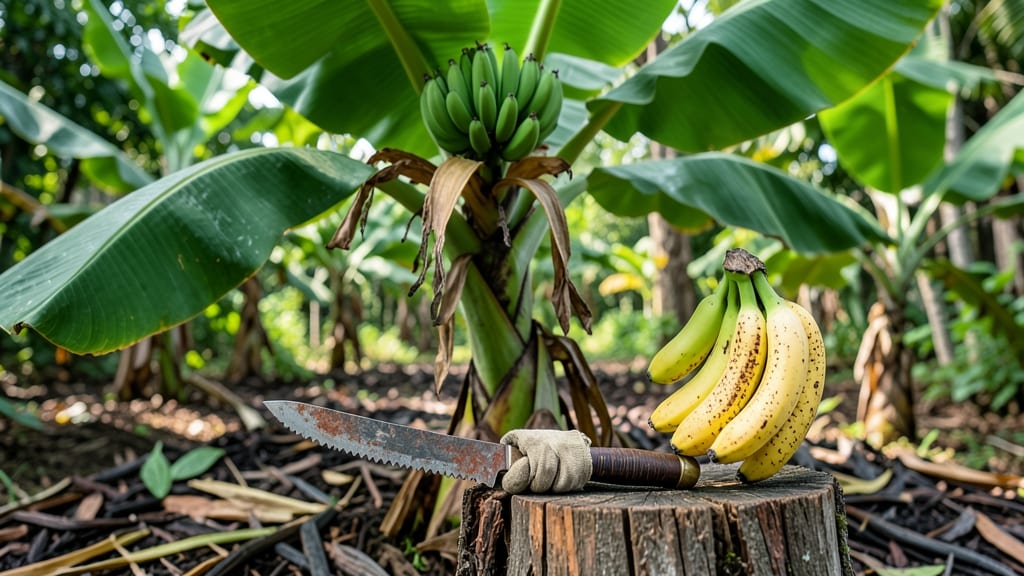
Fruits with husks—like coconut, lychee, and mango—require careful husk removal to access their edible flesh or seeds. These protective outer layers vary in texture and removal method, from fibrous coconut husks to delicate lychee shells.
Husks serve as nature's built-in protection, shielding the fruit's core from damage and pests during growth. 🌿 For example, coconut husks are thick and fibrous, designed to cushion the hard shell inside, while lychee husks are thin but tough, guarding the sweet fruit beneath.
Understanding these differences helps you choose the right tools—like a knife for mangoes or a hammer for coconuts—and prevents wasting the fruit's edible parts.
Beyond eating, many husked fruits offer creative uses in cooking and gardening. Coconut husks can be dried for crafts or composted, while lychee and mango pits can be saved to grow new trees. The key is always removing the husk gently to preserve the fruit's natural flavors and nutrients.
💡 In This Article
- How to Identify and Remove Husks from Tropical Fruits
- Culinary Uses of Husked Fruits in Cooking and Gardening
How to identify and remove husks from tropical fruits
The first step in working with husked fruits is recognizing the difference between a husk and other protective layers like peels or shells. A true husk is a fibrous, often coarse outer covering designed to shield the fruit's core during growth and transport.
For example, coconut husks are made of thick, tangled fibers that can be 3-5 inches thick, while lychee husks appear as a thin, papery layer that's actually a modified leaf structure rather than a true botanical husk. 🌴
Removing husks requires different tools and techniques based on the fruit's structure. Coconuts demand heavy-duty tools—a sharp knife or chisel to cut through the husk, followed by a hammer to crack the hard shell underneath.
Mangoes, on the other hand, have a smooth skin over a fibrous husk-like layer that can be peeled away with your fingers or a spoon, revealing the juicy flesh beneath.
Lychees require the most delicate approach: soaking in hot water for 1-2 minutes softens the husk enough to peel it off cleanly without damaging the translucent fruit inside.
The key to successful husk removal lies in understanding the fruit's anatomy. Coconut husks protect the 1-inch-thick shell that encases the edible meat and water, while mango husks (technically called exocarps) surround the large seed.
Lychee husks are unique—they're not even botanically classified as husks but serve the same protective function. When removing husks, always work from the base outward to avoid tearing the edible portion. For coconuts, start at the stem end where the husk is thinnest.
Safety is critical when handling husked fruits. Coconut husks can cause deep cuts if not handled properly, so wear gloves and use a cutting board. Mango husks contain urushiol, the same compound found in poison ivy, which can cause skin irritation in some people.
Always wash your hands thoroughly after handling. The fibrous nature of husks also makes them excellent for composting—they break down quickly but require chopping to speed up the process.
What most people don't realize is that husk removal can actually enhance flavor. The act of peeling or scraping exposes the fruit to oxygen, which helps develop its natural sweetness. For example, freshly scraped coconut meat tastes more aromatic than pre-shredded versions because the natural oils are released immediately.
Similarly, lychees develop their signature floral aroma more fully once the husk is removed and the fruit is exposed to air for 5-10 minutes.
Here's a quick comparison of removal techniques:
- Coconut: Use a knife to cut through husk, then hammer to crack shell (wear eye protection!)
- Mango: Peel skin first, then use a spoon to scrape away the fibrous husk layer
- Lychee: Soak in hot water for 1-2 minutes, then peel husk with fingers
The right technique preserves both the fruit's integrity and your safety. For instance, never use a chainsaw on coconuts—this destroys the meat inside and creates dangerous debris. Instead, opt for a 12-inch chef's knife or specialized coconut cutter for cleaner results. 🌊