
Aphids
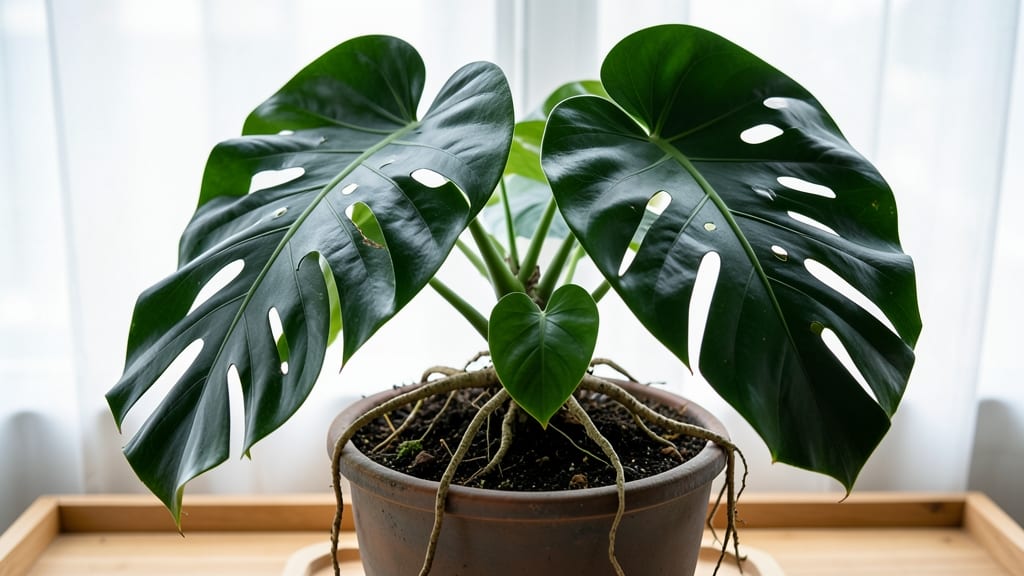
Growing fruit-bearing Monstera deliciosa means turning your jungle plant into a rare edible treasure. 🌿 I’ve watched mine go from leafy houseplant to a vine heavy with green, waxy fruit—something most gardeners never see.
The key isn’t just light or water, but understanding how to coax that fruiting cycle out of a plant that’s happy just putting out leaves.
Most people grow Monsteras for their striking foliage, but fruiting takes patience and the right conditions: bright, indirect light, 70%+ humidity, and a well-draining soil mix rich in organic matter. My plant finally flowered after I moved it to a south-facing window and started misting daily.
The first blooms appeared in its third year—proof that this isn’t a quick process, but one worth the wait.
When you get it right, you’ll see those heart-shaped leaves developing white veins, followed by creamy-green fruit that tastes like a mix of pineapple and banana. The fruit ripens slowly, taking 9-12 months from bloom to harvest, but the journey is half the reward.
Even if you never get fruit, the lush growth and dramatic variegation make it a showstopper.
Whether you’re growing indoors near a bright window or outdoors in a USDA Zone 10+ microclimate, the same principles apply. The biggest mistake? Overwatering or letting the soil dry out completely—both stress the plant and delay fruiting. Let’s get your Monstera on the path to producing those rare, edible delights.
📚 In This Guide
- What you need
- Instructions
- Tips and common mistakes
- Wrapping up and next steps
What you need
- ● Monstera deliciosa plant: A healthy, mature plant (or a cutting from a trusted source). Look for one with at least 3-4 leaves.
- ● Well-draining potting mix: 10-15 gallons of a blend designed for aroids (e.g., 50% peat moss, 30% perlite, 20% orchid bark). Avoid heavy clay soil!
- ● Pot with drainage holes: A 12-18 inch diameter container (terracotta or fabric pots work best). Ensure it’s at least 2 inches wider than the root ball.
- ● Support structure: A moss pole, trellis, or sturdy stake (4-6 feet tall) to encourage climbing and larger leaves.
- ● Fertilizer: A balanced liquid fertilizer (e.g., 20-20-20 or 10-10-10) for tropical plants. Dilute to half-strength.
- ● Watering can with a gentle spray nozzle: For bottom-watering or misting young plants.
- ● Humidity tray or humidifier: To maintain 60-80% humidity, especially in dry climates.
- ● Pruning shears (sterilized): Sharp, clean tools for trimming yellow leaves or propagating cuttings.
- ● Slow-release fertilizer pellets: Mix into soil for steady nutrition (e.g., Osmocote).
- ● Leaf shine spray: A diluted neem oil or commercial spray to keep leaves dust-free.
- ● Grow lights (LED or fluorescent): If natural light is less than 6 hours/day, supplement with 12-14 hours of bright, indirect light.
- ● Plant food for flowering/fruiting: A phosphorus-rich fertilizer (e.g., 10-30-20) to encourage fruit production (apply twice a year).
- ● Aphid control: Insecticidal soap or neem oil (for those pesky aphid outbreaks!).
- ● Decorative pots or cache pots: For a polished look (ensure the inner pot still has drainage!).
Step-by-step instructions for growing a fruit Monstera deliciosa
Here's how I've learned to coax both stunning foliage and edible fruit from this prized tropical.
🌱 Step 1: Select the Right Container and Potting Mix
Monstera deliciosa needs a container with drainage holes that's at least 12 inches wide for mature plants. I use a ceramic pot because it retains moisture while allowing airflow to the roots—critical for preventing rot. The potting mix should be airy and well-draining: blend 60% peat or coconut coir, 30% perlite or pumice, and 10% worm castings for nutrients.
Fill the pot to about 2 inches below the rim and tap gently to settle the mix. The goal is a fluffy texture that holds moisture but drains freely. Avoid garden soil—it compacts too easily and suffocates roots. I always add a handful of orchid bark chunks for extra aeration, especially for larger plants.
☀️ Step 2: Provide Bright, Indirect Light
Monstera thrives in bright, indirect light—think east or north-facing windows, or a few feet from a south-facing window. Direct sun will scorch the leaves, while low light causes the plant to stretch and develop small, pale leaves. You'll know the light is right when new leaves emerge with their signature fenestrations and stay a vibrant green.
If your space lacks natural light, supplement with a grow light positioned 12-18 inches above the plant for 12-14 hours daily. I use a full-spectrum LED bulb to mimic tropical sunlight. Rotate the pot a quarter turn weekly so the plant grows evenly toward the light source.
💧 Step 3: Master the Watering Routine
Water when the top 2-3 inches of soil feel dry to the touch. Stick your finger in—if it comes out clean, it's time to water. Overwatering is the fastest way to kill a Monstera, so I always check the soil before watering. When you do water, soak thoroughly until water runs out the drainage holes, then empty the saucer to prevent root rot.
Mist the leaves 2-3 times weekly to recreate the humidity of its tropical habitat. You'll notice the leaves staying crisp and vibrant rather than developing brown tips. In winter, when indoor air is drier, I increase misting to daily and place a pebble tray with water beneath the pot to boost humidity.
✂️ Step 4: Fertilize and Prune for Health
Feed every 4-6 weeks during spring and summer with a balanced liquid fertilizer (10-10-10 or 20-20-20) diluted to half strength. I skip fertilizing in fall and winter when growth slows. Always water the plant first to avoid burning the roots. You'll see new growth and larger leaves as a sign the fertilizer is working.
Prune leggy stems or yellowing leaves with clean, sharp scissors just above a leaf node. This encourages bushier growth and redirects energy to healthier parts of the plant. I also trim any stems that have outgrown their support structure—you can propagate these cuttings in water to grow new plants.
🪴 Step 5: Support Growth and Encourage Fruiting
Monstera vines need support to grow upward naturally. Install a moss pole or trellis near the plant as soon as it reaches 12 inches tall. Gently tie the vines to the support with soft plant ties or twist ties every 6-8 inches as they grow. This mimics how the plant climbs trees in the wild and encourages larger, more fenestrated leaves.
To promote fruiting, provide consistent warmth (65-80°F) and high humidity (60% or above). If your plant isn't fruiting after a year, it may need more light or a rest period. I reduce watering slightly in winter and avoid fertilizing, which mimics the plant's natural dormancy and can trigger flowering.
Tips & tricks for thriving fruit Monstera deliciosa
Here's what nobody tells you about keeping your Monstera deliciosa happy and productive—these are the secrets I've learned after years of growing both foliage and fruit.
Root Health Starts with the Right Mix: The 60-30-10 blend of peat/coco coir, perlite/pumice, and worm castings isn't just arbitrary—it creates the perfect aeration-to-moisture balance. I've seen roots rot when people skip the perlite, so don't cut corners here. For even better drainage, I add an extra 10% orchid bark to my mix, especially for plants over 24 inches tall. The bark breaks down slowly and prevents compaction over time.
Light is Everything for Fruit Production: While your Monstera might survive in medium light, you'll only get those signature fenestrations and eventual fruit in bright, indirect light. I test light quality by observing new leaves—if they're small with no holes, you need more light. For indoor growers, position your plant within 3 feet of an east or north window. If using grow lights, the 12-18 inches above recommendation is non-negotiable—closer means burned leaves, farther means weak growth.
Watering Wisdom That Saves Plants: The "top 2-3 inches dry" rule is foolproof, but here's the trick: I use a chopstick to check moisture—it's more precise than my finger. When watering, pour until water runs out the drainage holes, then wait 10 minutes before returning the pot to its saucer. This prevents soggy soil at the bottom. In winter, I reduce watering to every 7-10 days since the plant's growth slows naturally.
Fertilizer Timing That Makes a Difference: The 4-6 week spring/summer feeding schedule works, but I've found that splitting the dose into two applications (every 2-3 weeks) prevents salt buildup in the soil. Always dilute that fertilizer to half strength—concentrated mixes burn roots faster than you'd expect. And here's a pro move: I flush the soil with plain water every 3 months to wash away accumulated salts, especially if I notice crispy leaf edges.
Pro Tips for Fruit Monstera Deliciosa
- Here's what nobody tells you about keeping your Monstera deliciosa happy and productive—these are the secrets I've learned after years of growing both foliage and fruit.
- Root Health Starts with the Right Mix: The 60-30-10 blend of peat/coco coir, perlite/pumice, and worm castings isn't just arbitrary—it creates the perfect aeration-to-moisture balance.
- Light is Everything for Fruit Production: While your Monstera might survive in medium light, you'll only get those signature fenestrations and eventual fruit in bright, indirect light.
Frequently asked questions
Got questions about growing and enjoying Monstera deliciosa fruit?
Here are answers to the most common ones—from care tips to harvest tricks!
How long does it take for a Monstera deliciosa to produce fruit?
A mature Monstera deliciosa plant typically takes 5–10 years to produce fruit indoors, depending on light, care, and patience! Outdoors in tropical climates, it may fruit faster (2–5 years). Focus on bright, indirect light and consistent watering to speed things up.
Is Monstera deliciosa fruit safe to eat, and how do you know when it’s ripe?
Yes! The fruit is edible but only when fully ripe—the peel turns from green to yellow-brown, and the skin splits open naturally. Inside, the creamy-white flesh smells sweet and tart. Warning: The peel contains calcium oxalate crystals, which can irritate your mouth—peel carefully!
Why are my Monstera leaves yellowing or drooping, even though I’m watering it?
Yellowing or drooping often signals overwatering or underwatering. Check the soil: If it’s soggy, reduce watering and ensure the pot has drainage. If dry, water deeply but wait until the top 1–2 inches are dry before watering again. Monstera prefers consistent moisture, not soggy roots!
Can I grow Monstera deliciosa from a leaf cutting, and will it produce fruit?
Yes! Propagate from a healthy leaf cutting with an air node in water or moist soil. However, fruit production is unlikely from a cutting—it takes years for a mature plant to develop. Focus on growing a robust vine first, then enjoy the aesthetic perks (and future fruit!) down the line.
What’s the best way to encourage flowering and fruiting in a potted Monstera?
Boost fruiting chances with these tips:
- Light: Move to the brightest spot (east/west window or grow lights).
- Temperature: Keep it warm (65–85°F) and avoid drafts.
- Fertilizer: Use a balanced liquid fertilizer (20-20-20) every 4–6 weeks in spring/summer.
- Stress (lightly): A slight temperature drop or dry spell can trigger flowering.
Wrapping up and next steps
Growing your own fruit monstera deliciosa is a rewarding adventure that combines stunning foliage with the thrill of harvesting exotic fruit! 🌱 Whether you’re a plant novice or a seasoned green thumb, this tropical vine’s resilience and beauty make it a fantastic addition to your home.
Now that you’re equipped with care tips, troubleshooting advice, and a clear understanding of its needs, it’s time to roll up your sleeves and get planting.
Start by selecting the perfect spot, gathering your supplies, and giving your monstera the love it deserves. Soon, you’ll be enjoying those delicious, pineapple-scented fruits—and maybe even sharing them with friends! 🍍✨ Ready to dive in? Grab your gloves, pick a pot, and let the tropical magic begin!