
Pruning
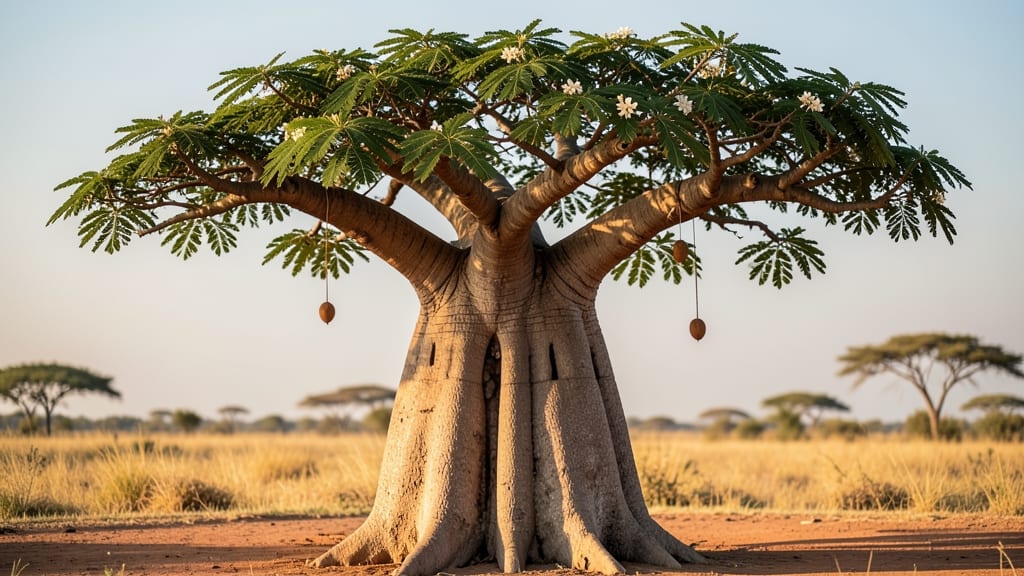
Pruning a baobab tree transforms its wild, sprawling growth into a productive powerhouse—one that yields fruit year-round while staying strong against drought. 🌳 I’ve spent years watching these ancient trees, and the right cuts at the right time make all the difference between a scraggly specimen and one that rewards you with harvests for decades.
The key is patience—baobabs grow slow, so pruning isn’t about aggressive shaping but strategic thinning. Focus on removing dead branches first, then open up the canopy to let sunlight reach the center. A well-pruned tree produces larger, sweeter fruit while resisting pests that love crowded, shaded wood.
You’ll see the first signs of improvement within a season: thicker trunks, fewer broken limbs, and fruit that ripens evenly. The tree’s natural resilience means less work for you—just one thorough pruning session every 2-3 years keeps it thriving. Perfect for hot, dry climates but adaptable with the right care.
Here’s how to do it without killing your tree—or your patience.
📚 In This Guide
- What you need
- Instructions
- Tips and common mistakes
- Wrapping up and next steps
What you need
- ● Pruning shears: Bypass pruners (for small branches, up to ½-inch thick)
- ● Loppers: 1 pair (for branches ½-inch to 1½-inch thick)
- ● Pruning saw: 1 (for branches over 1½-inch thick—look for a curved-tooth blade to avoid tearing)
- ● Disinfectant: 70% isopropyl alcohol or a copper-based fungicide (1 bottle)
- ● Gloves: Heavy-duty, cut-resistant (1 pair)
- ● Safety goggles: 1 pair (to protect from debris)
- ● Work boots: Sturdy, ankle-supporting (for stability on uneven ground)
- ● Heavy-duty trash bags: 2–3 (for collecting pruned branches and debris)
- ○ Marking spray or tape: 1 (optional but helpful for labeling cuts)
- ● Pruning sealant: Tree wound dressing (to prevent disease in large cuts)
- ● Ladder or step stool: Extendable (if your baobab is tall—3+ feet)
- ● Tree growth hormone: (e.g., Rootone) to boost healing
- ● Camera or phone: To document progress before/after pruning
- ● First-aid kit: For minor scrapes or cuts (just in case!)
Instructions for pruning a fruit-bearing baobab tree
Here's the method I use to keep my baobab thriving and producing fruit reliably.
☀️ Step 1: Identify the Right Time to Prune
Prune your baobab tree during its dormant season, which typically falls in late winter or early spring before new growth begins. For tropical climates, aim for the dry season when the tree isn't actively growing. I always check for no active buds—this ensures you're not removing potential fruit-bearing branches.
Never prune during flowering or fruiting periods. If you must remove damaged branches outside this window, wait until the next dormant season to do any structural pruning. The baobab's thick bark means it can survive some mistakes, but timing still matters for fruit production.
✂️ Step 2: Remove Dead, Diseased, or Crossing Branches
Start by cutting out any dead or diseased branches first—they won't produce fruit and can spread problems. Use clean, sharp pruners to make cuts just outside the branch collar (the swollen area where the branch meets the trunk). I always disinfect my tools with rubbing alcohol between cuts to prevent spreading any pathogens.
Next, remove branches that are rubbing against each other or growing inward. These "crossing branches" compete for energy and can create weak points in the tree's structure. Make your cuts at a 45-degree angle just above an outward-facing bud to encourage healthy new growth in the right direction.
🌱 Step 3: Thin the Canopy for Better Airflow and Light
Baobabs need good airflow to prevent fungal diseases and proper light penetration for fruit development. Step back and look at your tree—you're aiming for an open, vase-like shape. Remove about 20-30% of the smallest, interior branches that aren't bearing fruit or won't reach maturity.
Focus on branches growing straight up from the trunk rather than outward. These vertical branches create dense shade and block light from reaching the lower canopy. I like to leave some natural branches to maintain the tree's distinctive shape while still improving light exposure for fruit production.
⏰ Step 4: Shape for Future Fruit Production
Now it's time to encourage the tree's natural fruiting habit. Baobabs produce fruit on older wood, so avoid cutting back into mature branches. Instead, focus on redirecting growth by selectively pruning younger branches that are growing in directions that would block light or create dense clusters.
Make your final cuts just above a leaf node or bud that's growing in the direction you want new growth to go. For baobabs, this usually means encouraging outward and slightly upward growth. Avoid heavy pruning—this ancient tree stores water in its trunk and can be sensitive to dramatic changes.
💧 Step 5: Post-Pruning Care for Recovery
After pruning, give your baobab a deep watering to help it recover. The tree will direct its energy toward healing the cuts and producing new growth. I always apply a balanced fertilizer (10-10-10 ratio) around the base but not touching the trunk to support this recovery process.
Monitor the pruning wounds for the first few weeks. They should gradually callus over and stop oozing sap. If you notice any unusual bleeding or fungal growth, treat with a copper-based fungicide. With proper care, your baobab should show new growth within 4-6 weeks, setting the stage for better fruit production next season.
Tips & tricks for pruning a fruit-bearing baobab tree
These little details make all the difference when nurturing your baobab's fruit production.
Timing is Everything: I can't stress enough how critical the dormant season timing is—this is when your baobab's energy is focused on recovery, not growth. In Step 1, when checking for no active buds, also look for dry, papery leaves that have fallen naturally. This is your clearest sign the tree is truly dormant. If you're in a tropical climate, pay extra attention to the dry season cues rather than just calendar dates.
Tool Preparation: Before you even start pruning in Step 2, sharpen your pruners and sterilize them with rubbing alcohol. I've seen too many pruning jobs go wrong because dull tools crush branches instead of making clean cuts. For larger branches, consider using a pruning saw—baobab wood is dense, and you don't want to waste energy struggling with your tools. The cleaner the cut, the faster the wound will heal and the less stress on your tree.
Visualizing the Canopy: When thinning in Step 3, step back and imagine sunlight filtering through your tree. You're creating an open umbrella shape, not a dense thicket. I like to use a garden hose or spray bottle to simulate sunlight—spraying through the canopy helps me visualize where light will actually reach. Remove branches that would cast shade on fruit-bearing areas, but leave some natural structure to maintain that iconic baobab silhouette.
Post-Pruning Monitoring: After your deep watering in Step 5, keep a close eye on those pruning wounds for the first two weeks. Healthy wounds should start callusing within 7-10 days, turning from fresh green to a brownish color. If you notice excessive weeping (more than a few drops) or pinkish hues, that's a sign of infection. At this stage, a copper-based fungicide application can make all the difference in preventing long-term damage.
Pro Tips for Fruit Baobab Tree
- These little details make all the difference when nurturing your baobab's fruit production.
- Timing is Everything: I can't stress enough how critical the dormant season timing is—this is when your baobab's energy is focused on recovery, not growth.
- Tool Preparation: Before you even start pruning in Step 2, sharpen your pruners and sterilize them with rubbing alcohol.
Frequently asked questions
Got questions about growing, harvesting, and caring for your fruit baobab tree? Here are some of the most common ones—and their answers!
How often should I prune my baobab tree for fruit production?
Prune your baobab tree once a year, ideally during its dormant season (late fall to early winter). Focus on removing dead, diseased, or overcrowded branches to encourage new growth and better fruit yield. Avoid heavy pruning—baobabs are sensitive to aggressive cuts!
When is the best time to harvest baobab fruit?
Harvest baobab fruit when it’s fully ripe but slightly firm—usually between late summer and early fall, depending on your climate. Overripe fruit may crack open, losing its nutritional value. Look for a yellowish-brown hue and a sweet, tangy aroma.
Can I grow a baobab tree in a container, or does it need a garden?
While baobabs thrive in large garden spaces, young trees can grow in containers for 1-2 years (minimum 5-gallon pot). Use well-draining soil and ensure the container is at least 3 feet wide—they’ll outgrow small pots quickly! Move outdoors in warm climates only.
What should I do if my baobab tree isn’t producing fruit?
If your baobab lacks fruit, check these fixes:
- Pollination: Hand-pollinate flowers with a soft brush if bees are scarce.
- Nutrients: Add phosphorus-rich fertilizer (like bone meal) in early spring.
- Sunlight: Ensure it gets 6+ hours of direct sun daily.
- Age: Young trees (under 5 years) may not fruit—be patient!
Are baobab seeds toxic if ingested?
No—the fruit pulp and leaves are safe and nutritious! However, raw seeds contain mild toxins (like cyanogenic glycosides). Always cook or soak seeds before eating. Roasted baobab seeds make a crunchy, protein-rich snack!
Wrapping up and next steps
The baobab tree fruit is a remarkable gift from nature—packed with nutrients, adaptable to diverse climates, and capable of thriving with the right care. By mastering pruning techniques, you’ll unlock year-round harvests and foster stronger growth, ensuring your baobab tree remains healthy and productive for decades. 🌱
Ready to take the next step? Start with small, strategic cuts this season, monitor your tree’s response, and gradually refine your approach. Whether you’re a seasoned gardener or a curious beginner, every pruning session brings you closer to a bountiful baobab harvest! Happy pruning! 🌟