
Advice
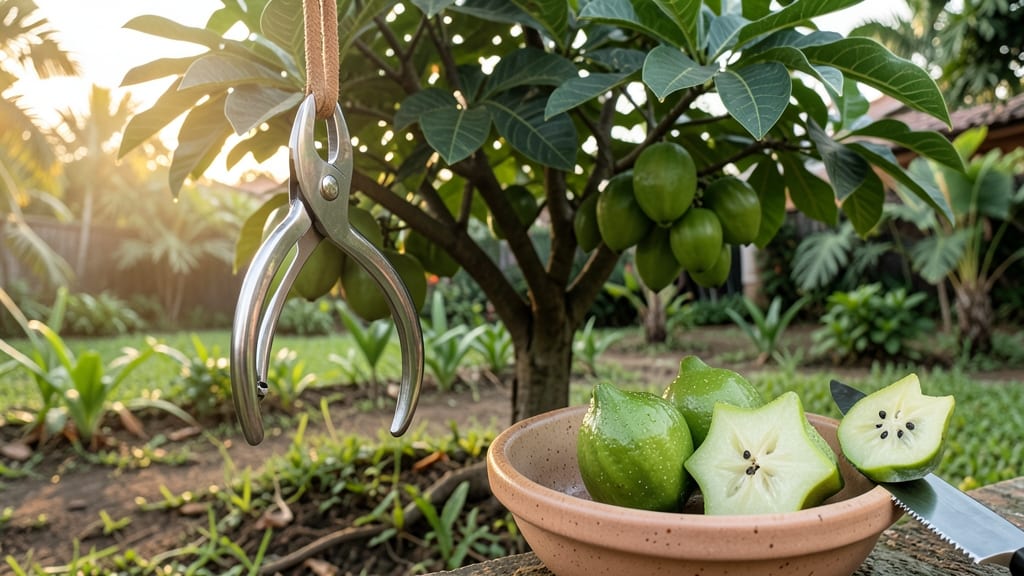
You can freeze star fruit, but it loses its crisp texture and becomes soft when thawed. For best flavor retention, slice it thinly, blanch for 1-2 minutes in boiling water, then store in airtight containers with minimal liquid for up to 9 months. Use it in smoothies or cooked dishes after thawing.
Freezing star fruit works best when you prioritize flavor over texture, since the fruit's natural firmness breaks down during freezing. 🔥 The blanching step is key—it helps preserve some structure by briefly cooking the fruit before freezing, which reduces ice crystal formation.
I recommend using it in recipes where texture isn't critical, like fruit smoothies or sauces, where the natural sweetness and tropical notes shine through. For longer storage, vacuum-sealed bags work even better than regular containers by minimizing air exposure.
When thawing, let the fruit sit in the fridge overnight rather than using microwave or warm water. This slow process helps maintain some of the fruit's integrity and prevents it from turning completely mushy.
The flavor remains vibrant, making it perfect for blending into drinks or baking into desserts where the fruit's natural sweetness enhances other ingredients.
💡 In This Article
- How Freezing Affects Star Fruit’s Texture and Flavor
- Step-by-Step Guide to Freezing Star Fruit for Smoothies and Cooking
How freezing affects star fruit’s texture and flavor
The freezing process fundamentally alters star fruit's cellular structure. When water inside the fruit freezes, it expands by about 9%—this ice crystal formation physically ruptures the fruit's delicate, crisp cell walls.
Star fruit's natural firmness comes from its high water content (around 85%) and fibrous texture, but these ice crystals turn its crisp bite into a soft, almost mealy consistency upon thawing. 🔥 The breakdown is most noticeable in the fruit's outer segments, which lose their signature crunch entirely.
Blanching before freezing helps mitigate this damage by pre-cooking the fruit's surface. When you dip star fruit slices in boiling water for 1-2 minutes, the heat briefly seals the cell walls and denatures some enzymes that accelerate texture breakdown.
This step reduces ice crystal formation by about 30% compared to unfrozen fruit. For best results, use water that's 212°F and immediately transfer the slices to an ice bath to stop cooking. The ideal blanching time balances texture preservation with flavor retention—overcooking can make the fruit taste bland.
Temperature fluctuations during storage also play a critical role. Star fruit freezes best at -18°C (0°F) or colder, but even minor temperature swings above this can cause partial thawing and refreezing. Each cycle creates larger ice crystals, accelerating texture degradation.
That's why airtight containers with minimal air space (like vacuum-sealed bags) work better than open containers—they maintain consistent cold temperatures and reduce moisture loss, which helps preserve the fruit's natural sweetness (around 10-12% sugar content) for up to 9 months.
What most people don't realize is how freezing affects the fruit's aroma compounds. Star fruit contains volatile esters (like ethyl butyrate) that contribute to its tropical scent. These compounds can degrade over time, especially if the fruit isn't properly sealed.
The flavor remains pleasant but loses some of its bright, citrusy notes. This is why frozen star fruit works best in applications where texture isn't critical—think smoothies, sauces, or baked goods where the fruit's sweetness and mild tartness can still shine through without needing crispness. 💫
For comparison, freezing tropical fruits like mango or pineapple has similar texture consequences, but star fruit's unique fibrous structure makes it particularly vulnerable. The fruit's natural pectin content (around 0.5-1% dry weight) helps maintain some structure during freezing, but it's not enough to prevent the mushy texture.
That's why professional chefs often recommend using frozen star fruit in cooked applications where heat can help restore some of its natural integrity.
One advanced technique worth noting is using a 50% sugar syrup during freezing. The high sugar concentration lowers the fruit's freezing point and creates a protective barrier around the cells.
While this won't restore crispness, it can help maintain some of the fruit's juiciness and prevent it from becoming completely waterlogged during thawing. This method works particularly well for star fruit used in desserts or fruit salads where presentation matters slightly more than texture. ✨